Call Tampa
(813) 920-7720
Common Orthodontic
Issues We Treat
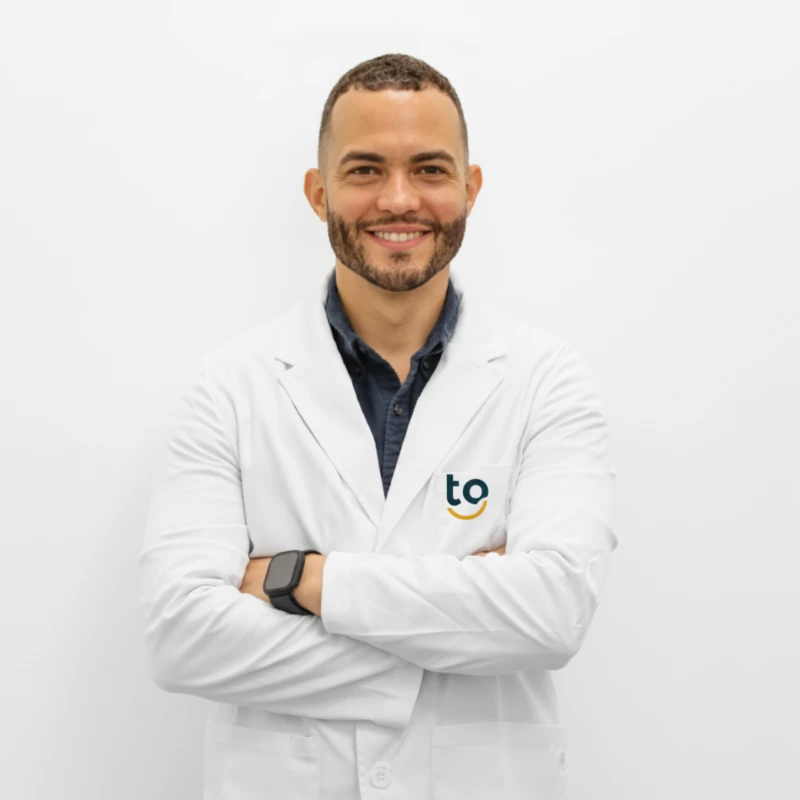
From crowding and gaps to deeper bite problems, Dr. Rodney Torres has spent over a decade helping kids, teens, and adults across Tampa and Miami Lakes get the healthy, confident smiles they deserve.
What We Treat
If Something Feels Off, There's Usually a Reason.
Most orthodontic issues start quietly. A little crowding here, a slightly deep bite there, a gap that wasn’t a problem until it became one. Left alone, they tend to settle in and bring friends. Caught early, most of them are simple to fix.
Dr. Rodney Torres spends every free smile exam doing one thing first: listening. He looks at the whole picture (teeth, bite, jaw, and how it all works together) and tells you honestly what needs treating, what can wait, and which approach makes the most sense for your family.
Your first visit is always a free smile exam, and we accept most insurance plans, including Medicaid. Se habla español.
Why Evaluation Matters
A Quick Look Now Saves Bigger Work Later
Orthodontic issues rarely fix themselves. The good news: catching them early often makes treatment shorter, simpler, and less expensive.
It's About More Than Looks
A misaligned bite can wear down enamel, strain the jaw, and make it harder to keep teeth clean. Fixing it protects the smile you'll have for the next 50 years.
Earlier Is Often Easier
Many issues are simpler (and cheaper) to correct when caught early. The AAO recommends a first orthodontic visit by age 7, even if treatment doesn't start then.
Modern Tools, Honest Plans
Digital iTero scans, low-dose imaging, and Dr. Torres's experience let us see exactly what's going on and explain it in plain language, not jargon.
Treatment for Every Age
Kids, teens, and adults all get the same careful evaluation. Many adults assume it's too late. It isn't. We treat patients well into their 60s and beyond.
The Eight Most Common
Issues Dr. Torres Treats Every Day
Each of these is a normal part of an orthodontic practice. Most patients have one or two. Some have a few. None of them are unusual, and almost all of them respond well to modern treatment.
Not enough room for everything.
Crowding
When the jaw is too narrow or the teeth too large for the space available, teeth overlap, twist, or rotate to fit. Crowding also traps plaque and makes brushing and flossing harder.
How we typically treat it
Braces or clear aligners. In growing kids, a palatal expander can create room before the permanent teeth come in.
Visible spaces between teeth.
Spacing & Gaps
Gaps can come from missing teeth, smaller-than-average teeth, or a mismatch between jaw and tooth size. Beyond the look, food gets stuck in larger gaps.
How we typically treat it
Braces or clear aligners close most gaps. Larger spaces from missing teeth may need a coordinated plan with your general dentist.
Top teeth cover the bottom too far.
Overbite
A small overbite is normal. A deep overbite, where upper front teeth nearly hide the lower ones, can wear down teeth and stress the jaw joint over time.
How we typically treat it
Braces are the most reliable fix for deeper overbites. Mild overbites often correct with clear aligners.
Lower teeth sit in front of the upper.
Underbite
Usually caused by the lower jaw growing too far forward or the upper jaw not growing enough. It can affect chewing, speech, and confidence, and wears lower teeth down faster.
How we typically treat it
Caught early in kids, a reverse-pull headgear or expander can guide jaw growth. Older patients usually use braces.
Top and bottom don't line up.
Crossbite
One or more upper teeth sit inside the lower teeth instead of outside. Left alone, a crossbite can shift the jaw, wear teeth unevenly, and cause facial asymmetry as kids grow.
How we typically treat it
An expander widens the upper jaw in growing patients. Braces or aligners handle most other crossbites.
Front teeth don't meet at all.
Open Bite
When the upper and lower front teeth don’t touch even with the back teeth closed, biting into food gets tricky. Often caused by prolonged thumb-sucking, tongue habits, or jaw development.
How we typically treat it
Braces are typically the most predictable fix. Habit appliances may be needed first for younger kids.
Upper front teeth stick out.
Protrusion
Sometimes called “buck teeth.” Beyond appearance, protruded front teeth are more vulnerable to chips and trauma from sports or everyday accidents.
How we typically treat it
Braces or clear aligners bring the front teeth back into a healthier position. Earlier treatment makes a real difference for kids.
Chewing or jaw comfort feels off.
Jaw & Bite Alignment
Jaw clicking, headaches, uneven wear on back teeth, or food that always seems to land on one side. These are often signs the upper and lower jaws aren’t meeting evenly.
How we typically treat it
Dr. Torres evaluates the whole bite, not just the front teeth, and builds a plan that addresses the cause. Most cases respond well to braces.
What to Expect
Your Free Smile Exam
Not sure which issue is yours, or whether it even needs treating? The first visit answers exactly that. About an hour, no obligation, no pressure.
- A quick digital iTero scan, no goopy impressions
- A clear look at which conditions (if any) need treating
- Honest options: which treatment fits, which can wait
- Insurance verification and a written estimate, all before you commit
Ready when you are.
Pick the office closest to you. Your first visit is always free.
Schedule in TampaSchedule in Miami LakesCommon questions about orthodontic issues from Tampa and Miami Lakes patients. Don’t see yours? Call our Tampa office at (813) 920-7720 or our Miami Lakes office at (786) 319-9057.
Common Questions About Orthodontic Issues
How do I know if my child needs orthodontic treatment?
Most kids don’t show obvious signs. Early signals worth watching for include crowded or crooked baby teeth, mouth-breathing, thumb-sucking past age 5, difficulty chewing, or jaws that look uneven. The American Association of Orthodontists recommends a first orthodontic visit by age 7, even if no treatment is needed right away. The evaluation is free at Torres Orthodontics.
Is it too late for me to get orthodontic treatment as an adult?
No. Healthy teeth can be moved at any age. We routinely treat adults in their 30s, 40s, 50s, and beyond. The biology is the same, the timeline can be slightly longer than for a teenager, but the results are real. Clear aligners are especially popular with adults who don’t want the look of braces.
Will my insurance cover treatment for these issues?
Most PPO dental plans include an orthodontic benefit, usually a lifetime maximum that covers a portion of treatment. Medicaid covers medically necessary orthodontics for qualifying children. Bring your insurance card to your free smile exam and we will verify benefits and give you a written estimate before you commit to anything.
Can these issues fix themselves over time?
Almost never. Crowding, bite issues, and spacing problems tend to get worse, not better, as the jaw matures. Some baby-teeth issues resolve when the permanent teeth come in, which is why early evaluation matters. Dr. Torres can tell you honestly whether something needs treatment now, later, or not at all.
Do I need a referral from my dentist?
No referral needed. You can schedule a free smile exam directly with us, with or without a referral. We work closely with general dentists across Tampa and Miami Lakes and will coordinate with your dentist throughout treatment.
How long will my treatment take?
It depends on which conditions are being treated and the complexity of each. Simple alignment can wrap up in 6 to 9 months. Most comprehensive treatment runs 12 to 24 months. Complex bite corrections can take 24 to 30 months. Dr. Torres will give you a realistic timeline at your free smile exam.
Find Out What's Really Going On.
Schedule a free smile exam at the office closest to you. Dr. Torres will look at the whole picture and tell you honestly what (if anything) needs treating, and what your options look like.