Key Takeaways
-
Ages 11-14 is the ideal window for teen braces because permanent teeth have erupted and the jaw is still growing, making teeth move faster and treatment shorter than in adults.
-
Metal braces are the most cost-effective option ($3,000-$7,000) and handle all orthodontic issues, while clear aligners are nearly invisible but require 20-22 hours daily wear and work best for mild to moderate cases.
-
Most dental insurance covers 50% of orthodontic costs up to $1,000-$2,000 lifetime maximum, and many practices offer flexible payment plans to make treatment affordable for families.
-
Treatment duration averages 18-36 months depending on complexity, with mild cases resolved in 6-18 months and complex cases taking up to 36 months, followed by retainer wear for long-term results.
-
Starting orthodontic treatment early prevents bigger problems like worsening crowding and bite issues that require more complex and costly adult treatment later.
-
Daily care includes brushing after meals, flossing with threaders, avoiding sticky/hard foods, and wearing mouthguards during sports to protect braces and maintain oral health.
Is your teen ready for straighter teeth? You’re not alone in wondering where to start. According to the American Association of Orthodontists, 50–70% of U.S. children will wear braces before adulthood. That means braces for teens are incredibly common — and today’s options are better than ever. Whether your teen dreams of a barely-there look or wants colorful metal brackets, there’s a perfect fit for every smile and lifestyle. This guide breaks down the three best braces options for teenagers, what they cost, how long treatment takes, and how to choose the right one. Let’s make this decision easy and exciting for your whole family!
Why the Teen Years Are the Best Time for Braces
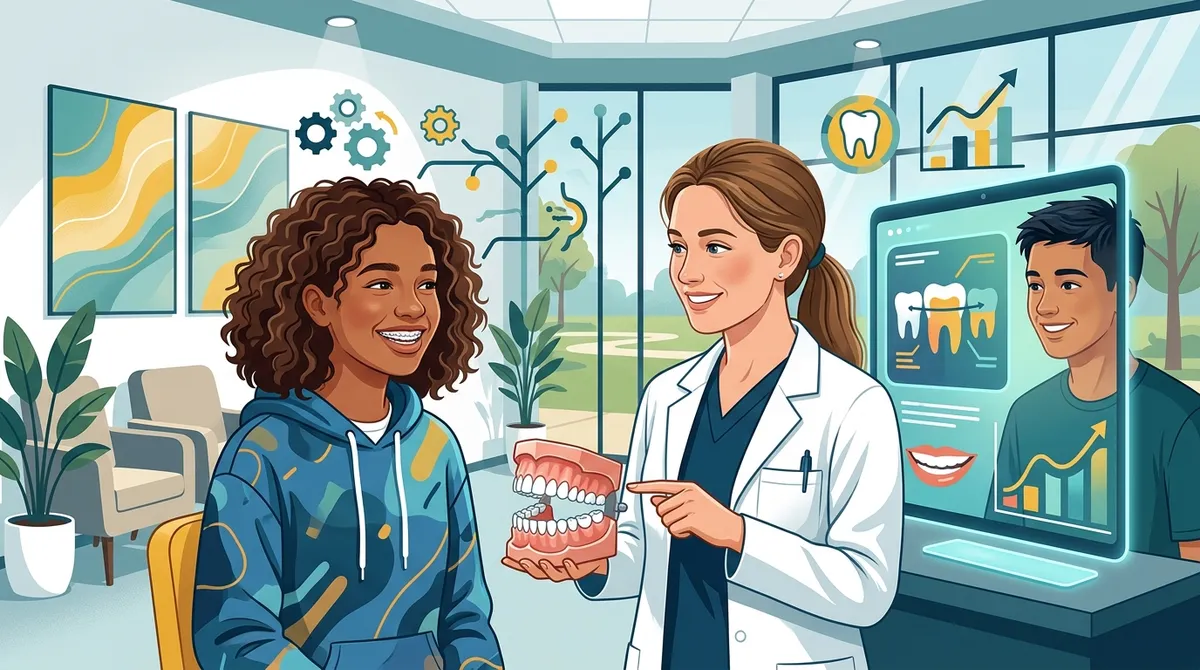
The teenage years are truly the golden window for orthodontic treatment. Between ages 11–13 for girls and 12–14 for boys, most permanent teeth have erupted and the jaw is still growing. That means teeth move more easily and treatment is faster compared to adult orthodontics.
Teens also benefit from natural bone growth that helps guide teeth into the right position. This makes results more predictable and often reduces overall treatment time. Think of it as working with the body, not against it.
Beyond timing, starting orthodontic treatment early can prevent bigger problems down the road. Untreated crowding, bite issues, and misalignment can worsen with age and may require more complex — and costly — treatment later. Acting during the teen years is a smart investment in long-term oral health.
The American Association of Orthodontists recommends a first orthodontic evaluation by age 7. If your child hasn’t had one yet, don’t worry — it’s not too late. You can explore teen orthodontic treatment options and get a clear picture of what’s needed during a quick consultation.

The 3 Best Braces Options for Teens
Here’s a look at the top three types of braces for teenagers in 2026. Each has its own strengths, and the right choice depends on your teen’s lifestyle, needs, and budget.
1. Traditional Metal Braces
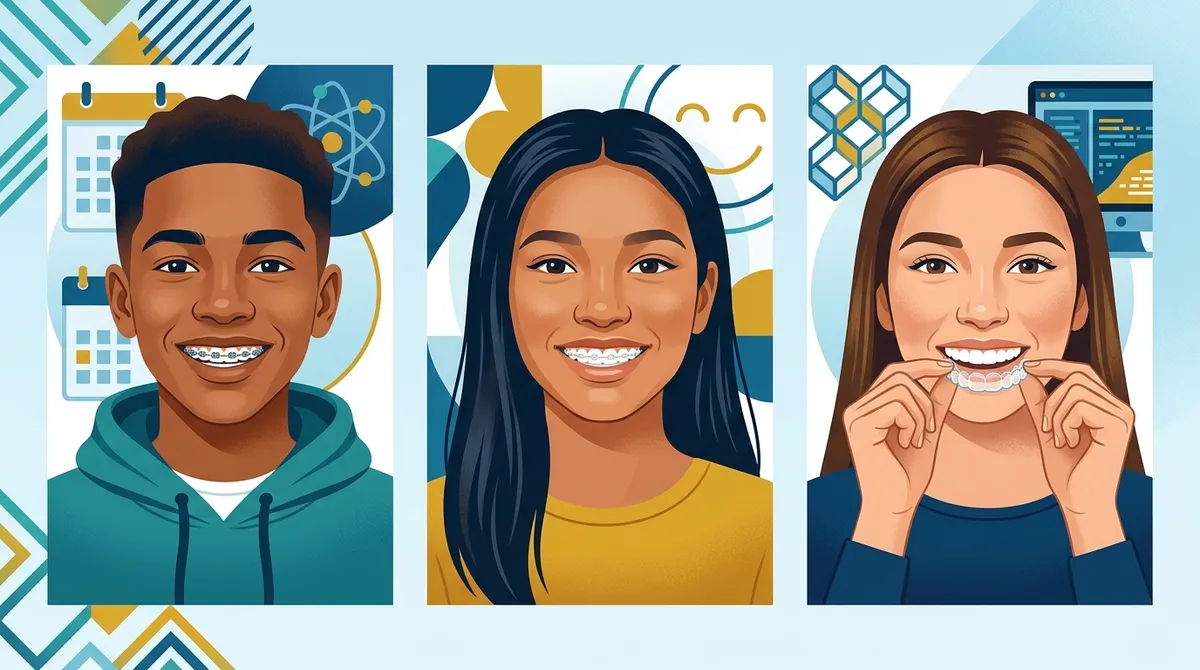
Metal braces are the most recognizable option — and still one of the most effective. Small metal brackets are bonded to each tooth and connected by an archwire. Your orthodontist adjusts the wire over time to guide teeth into alignment.
Metal braces are great for complex cases. They handle crowding, spacing, overbites, underbites, and crossbites with precision. They’re also the most affordable option, making them a popular choice for families managing a budget.
Here’s what makes metal braces a great pick for teens:
- Most cost-effective option ($3,000–$7,000)
- Works for all types of orthodontic issues
- No need to remember to wear anything — they’re always working
- Fun color options for bracket ties (teens love customizing!)
- Consistent results backed by decades of use
Want to learn more about what to expect? Check out the full overview of braces and how they work to get a clear picture before your teen’s first visit.
2. Ceramic Braces
Ceramic braces work just like metal braces — but with one key difference. The brackets are made from tooth-colored or clear ceramic material. That means they blend in with the teeth and are much less noticeable.
This option is popular with teens who want effective treatment without a mouth full of metal. They’re a great middle ground between traditional braces and clear aligners.
Here’s what to know about ceramic braces:
- Blends with natural tooth color for a subtle look
- Just as effective as metal braces
- Slightly higher cost ($4,000–$8,000)
- Brackets can stain if your teen drinks a lot of coffee, tea, or dark sodas
- Slightly more fragile than metal — gentle care is needed
For a side-by-side look at all available options, visit the full types of braces guide. It’s a helpful resource for parents and teens making this decision together.
3. Clear Aligners (Invisalign Teen)
Clear aligners are removable, transparent trays that gradually shift teeth into place. Designed specifically for teens, Invisalign Teen includes features like compliance indicators and extra replacement aligners — perfect for busy, active teenagers.
This option is ideal for teens who play sports, play musical instruments, or simply prefer a virtually invisible look. Since the trays are removable, there are no food restrictions either — which teens tend to love!
Key highlights of clear aligners for teens:
- Nearly invisible — most people won’t notice them
- Removable for eating, brushing, and special occasions
- No brackets or wires to irritate the cheeks
- Cost ranges from $4,000–$7,500
- Requires discipline — must be worn 20–22 hours per day
Curious if clear aligners are right for your teen? Explore clear aligner treatment options and learn how this technology has transformed modern orthodontics. You can also read more about Invisalign treatment and how it works for different age groups.
Side-by-Side Comparison: Which Braces Are Best for Teens?
Use this quick comparison table to help narrow down the best choice for your teen’s needs and lifestyle:
| Feature | Metal Braces | Ceramic Braces | Clear Aligners |
|---|---|---|---|
| Visibility | Most visible | Less visible | Nearly invisible |
| Cost Range | $3,000–$7,000 | $4,000–$8,000 | $4,000–$7,500 |
| Removable? | No | No | Yes |
| Best For | Complex cases | Mild to complex cases | Mild to moderate cases |
| Food Restrictions | Yes | Yes | No |
| Discipline Required | Low | Low | High |
| Treatment Duration | 18–36 months | 18–36 months | 12–24 months (varies) |
What Problems Can Teen Braces Fix?
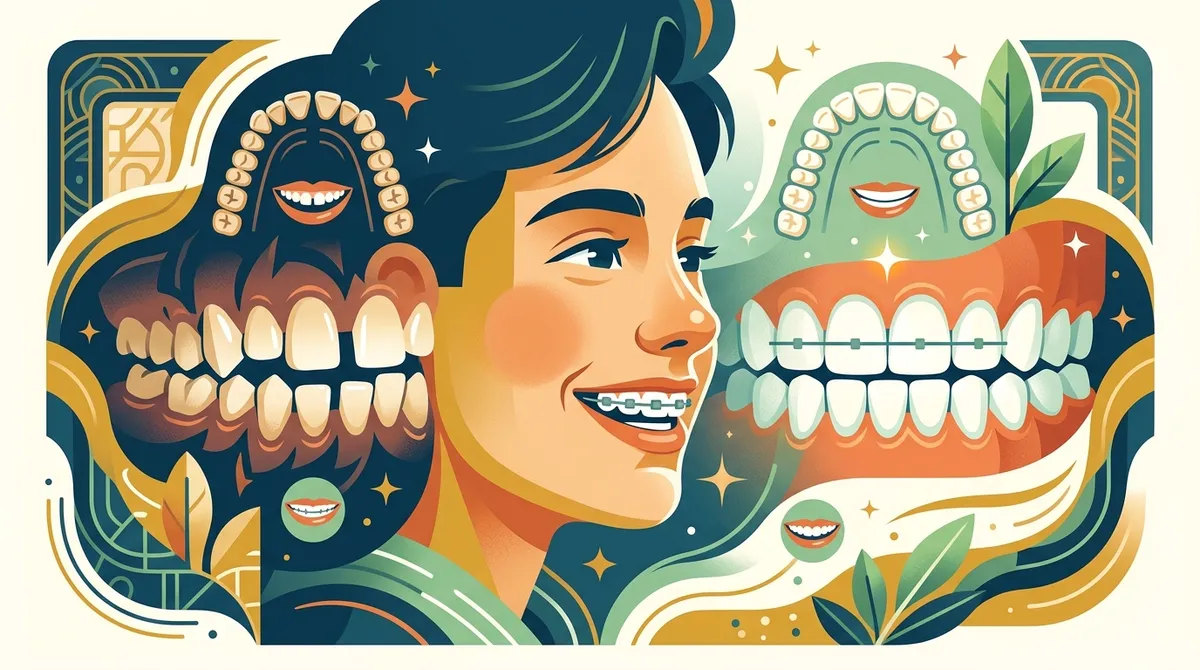
Braces for teens aren’t just about straight teeth. They correct a wide range of orthodontic issues that affect oral health, speech, and even breathing. Common orthodontic treatments for teens address:
- Crowded teeth — when teeth don’t have enough room to grow in properly
- Overbite — upper front teeth overlap too far over the lower teeth
- Underbite — lower teeth extend past upper teeth
- Crossbite — upper and lower teeth don’t line up side-to-side
- Open bite — upper and lower teeth don’t touch when the mouth is closed
- Spacing issues — gaps between teeth from missing teeth or habits like thumb-sucking
Fixing these issues early can improve chewing, reduce jaw pain, enhance speech, and make brushing and flossing much easier. When teeth are aligned, they’re also easier to clean — which lowers the risk of cavities and gum disease.
How Much Do Braces Cost for Teens?
Cost is one of the biggest questions parents ask. Here’s a quick breakdown of what you can expect to pay in 2026:
| Braces Type | Average Cost | Insurance Coverage* | Estimated Out-of-Pocket |
|---|---|---|---|
| Metal Braces | $3,000–$7,000 | Up to $1,000–$2,000 | $1,000–$6,000 |
| Ceramic Braces | $4,000–$8,000 | Up to $1,000–$2,000 | $2,000–$7,000 |
| Clear Aligners | $4,000–$7,500 | Up to $1,000–$2,000 | $2,000–$6,500 |
*Most dental insurance plans cover 50% of orthodontic treatment costs up to a lifetime maximum of $1,000–$2,000. Coverage varies by plan, so always verify with your provider.
Many orthodontic practices — including Torres Orthodontics — offer flexible payment plans and financing options to make treatment accessible for every family. You can explore insurance and financing options to find a plan that fits your budget. Many families are surprised by how affordable monthly payments can be!
How Long Do Teen Braces Take?
Treatment duration depends on the complexity of your teen’s case. On average, teens wear braces for 18 to 36 months. Simpler cases can sometimes wrap up in as little as 6 to 12 months, while more complex alignment issues may take longer.
Here’s a general timeline based on case type:
- Mild cases (minor crowding or spacing) — 6–18 months
- Moderate cases (bite issues, moderate crowding) — 18–24 months
- Complex cases (severe misalignment, jaw issues) — 24–36 months
- Post-treatment retention — retainers worn after braces for long-term results
After treatment, your teen will need to wear a retainer to keep their new smile in place. Learn more about orthodontic retainers and why this final step is just as important as the braces themselves.
How to Care for Braces as a Teenager
Good oral hygiene during treatment is a must. Braces create extra spots where food and plaque can hide. Here’s a simple daily care routine for teens with braces:
- Brush after every meal — use a soft-bristled toothbrush and fluoride toothpaste
- Floss daily — use floss threaders or a water flosser to get between brackets and wires
- Rinse with mouthwash — an antibacterial rinse helps reduce plaque buildup
- Avoid sticky or hard foods — caramel, gum, popcorn, and hard candy can damage brackets
- Wear a mouthguard for sports — protect both the braces and the mouth during physical activity
Teens with clear aligners should remove trays before eating or drinking anything other than water. Rinse the aligners every time they’re taken out to keep them clean and odor-free.
Want more tips and orthodontic resources? Visit the patient resources page for helpful guides on caring for your smile during treatment. You can also follow along with real patient journeys on Torres Orthodontics on Instagram for daily tips and inspiration.
What to Expect at Your Teen’s First Orthodontic Visit
The first visit is usually relaxed and informative — no treatment happens on day one! Here’s what typically happens:
- Smile exam — the orthodontist examines the teeth, jaw, and bite
- X-rays or digital scans — these give a full picture of tooth and root positions
- Treatment discussion — the orthodontist recommends options based on your teen’s needs
- Cost and timeline review — you’ll get a clear breakdown of costs and estimated treatment length
At Torres Orthodontics in Tampa, the first visit is completely free. Dr. Rodney Torres and his team use advanced orthodontic technology to create a personalized treatment plan that fits your teen’s unique smile. You can even visit our Torres Orthodontics Tampa location on Google to read reviews from real patients and families just like yours.
Ready to take the first step? You can easily book your teen’s free smile exam online in just a few minutes. It’s quick, easy, and there’s no pressure involved.
Want to see real results before you commit? Browse the before and after gallery to see the amazing transformations that braces can achieve. We also share patient stories and fun behind-the-scenes content on the Torres Orthodontics YouTube channel and on our Facebook page.
Smile Brighter — Your Teen’s Best Smile Starts Now
Choosing braces for your teen is one of the best decisions you can make for their confidence and long-term health. Whether you go with classic metal braces, subtle ceramic braces, or nearly invisible clear aligners, the result is the same: a beautiful, healthy smile that lasts a lifetime.
The teen years are the ideal time to act — and getting started is easier than you think. Torres Orthodontics is proud to serve families across Tampa, Miami Lakes, and Boca Raton with personalized care, flexible financing, and free smile exams for new patients.
Don’t wait to give your teen the smile they deserve. Schedule your teen’s free orthodontic consultation today and let our team create a custom treatment plan that fits your family’s needs, lifestyle, and budget. Your teen’s best smile is just one appointment away!
FAQs
Q: What is the best age to get braces for teens?
A: The ideal age for teen braces is typically between 11–13 for girls and 12–14 for boys, when most permanent teeth have erupted and the jaw is still growing. That said, every child is different! The American Association of Orthodontists recommends a first evaluation by age 7 so your orthodontist can monitor development and recommend the right time to start.
Q: Are clear aligners or traditional braces better for teenagers?
A: Both options are effective — it really comes down to your teen’s lifestyle and the complexity of their case. Traditional metal braces are great for complex alignment issues and require zero discipline to work. Clear aligners are nearly invisible and removable, which many teens love, but they need to be worn 20–22 hours a day to be effective. Your orthodontist can help you decide which is the best fit!
Q: How much do braces cost for teenagers in 2026?
A: Teen braces typically range from $3,000–$8,000 depending on the type chosen — metal braces are the most affordable, while ceramic braces and clear aligners cost a bit more. Most dental insurance plans cover up to $1,000–$2,000 of orthodontic costs, and many practices offer flexible monthly payment plans to make treatment more manageable for families.
Q: How long do teens need to wear braces?
A: Most teens wear braces for 18 to 36 months, depending on the complexity of their case. Simpler cases may wrap up in as little as 6–12 months, while more involved alignment issues can take longer. After braces come off, your teen will wear a retainer to maintain their beautiful new smile — and that part is totally worth it!
Q: Does dental insurance cover braces for teens?
A: Many dental insurance plans do cover teen orthodontic treatment! Typically, plans cover about 50% of the cost up to a lifetime maximum of $1,000–$2,000. Coverage varies by plan, so it’s always a good idea to check with your insurance provider. Many orthodontic offices also offer financing options to help cover any remaining balance.


