Key Takeaways
-
Palatal expanders work best in children ages 6-14 before puberty, when palatal bones are still soft and unfused—after age 15, expansion becomes much harder and may require surgery in adults.
-
Expanders create space for teeth without extractions by gradually widening the upper jaw through daily key turns (about 0.5mm per day), typically completing expansion in 3-6 months total.
-
Common treatable conditions include crossbites, crowded teeth, narrow upper arch, impacted teeth, and mouth breathing—the American Association of Orthodontists recommends first evaluation by age 7.
-
Most children experience only mild soreness and temporary side effects (lisping, speech changes, increased saliva) that resolve within 1-2 weeks of starting treatment.
-
Expanders are typically Phase 1 of two-phase treatment, followed by braces or aligners in Phase 2, which produces better results and faster alignment than braces alone.
-
Proper cleaning with brushing after meals, water flossing, and avoiding sticky/hard foods is essential to prevent food trapping and maintain oral health during treatment.
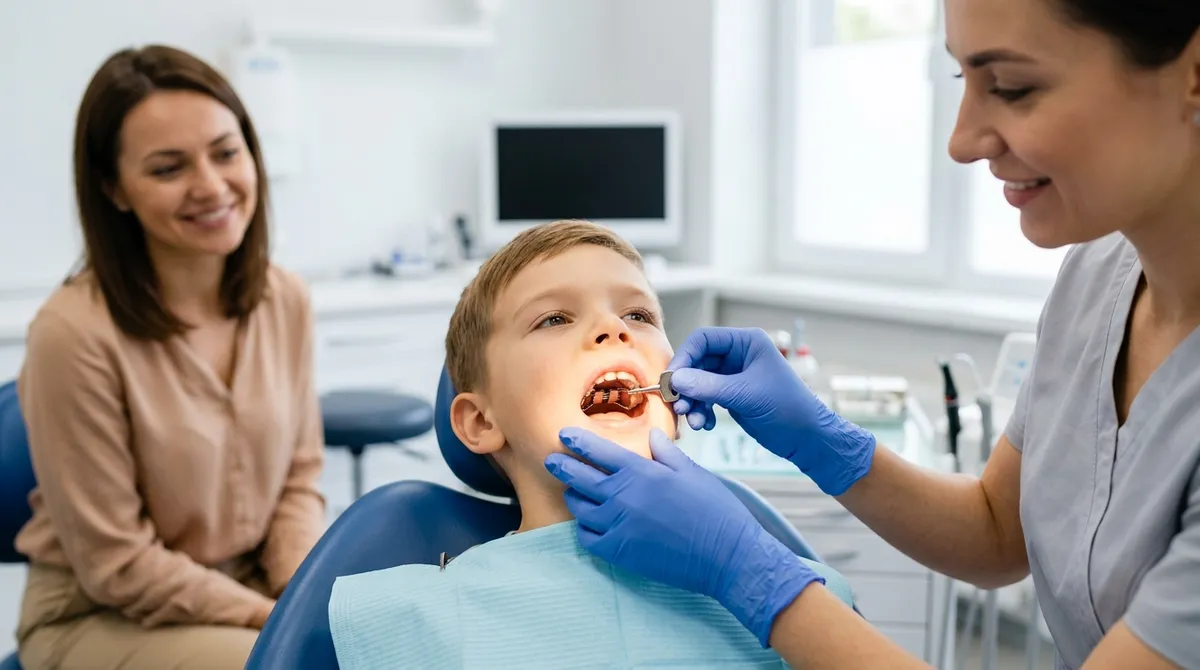
If your child’s orthodontist has mentioned expanders for teeth, you might have a lot of questions swirling around in your head. What exactly is a tooth expander? Does it hurt? How long does your child have to wear it? You are not alone — these are some of the most common questions parents ask us every day. The good news is that expanders are a safe, proven tool that has been used in orthodontics for decades. They help create the space your child’s teeth need to grow in properly, often preventing bigger (and more expensive) problems down the road. Think of it as giving your child’s smile a head start! In this guide, we will walk you through everything you need to know about orthodontic expanders — from how they work to what to expect during treatment. Let’s dive in!
What Is a Palatal Expander?
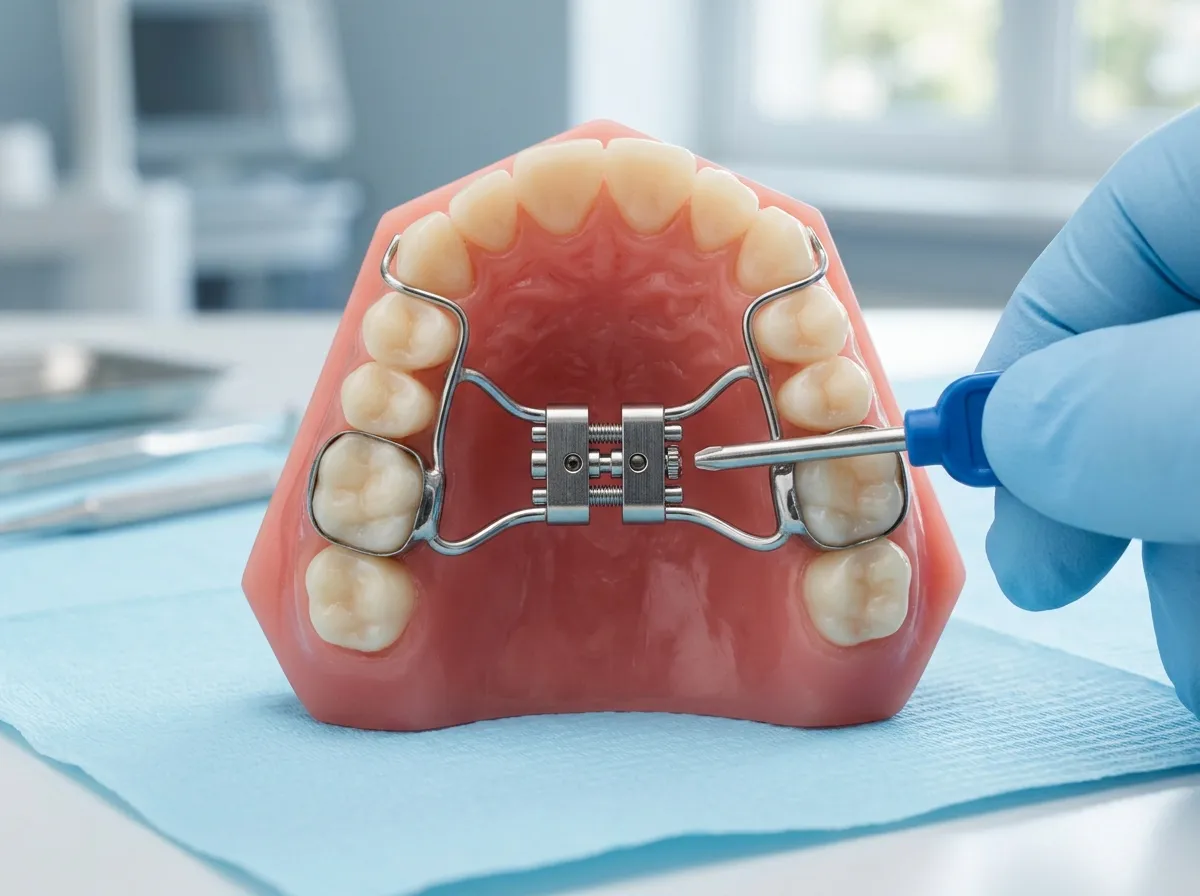
A palatal expander (also called a teeth expander or orthodontic expander) is a custom-fitted device that gently widens your child’s upper jaw. It works by slowly separating the two halves of the palate (the roof of the mouth), encouraging new bone to form in the gap. This creates more space for the teeth and helps correct bite problems.
The upper jaw is actually made of two bones that do not fully fuse until puberty. That is why expanders work best in children and pre-teens — the bones are still soft and easy to guide. If you want to learn more about early orthodontic treatment, understanding how expanders fit into a child’s overall care plan is a great starting point.
How Does a Teeth Expander Work?
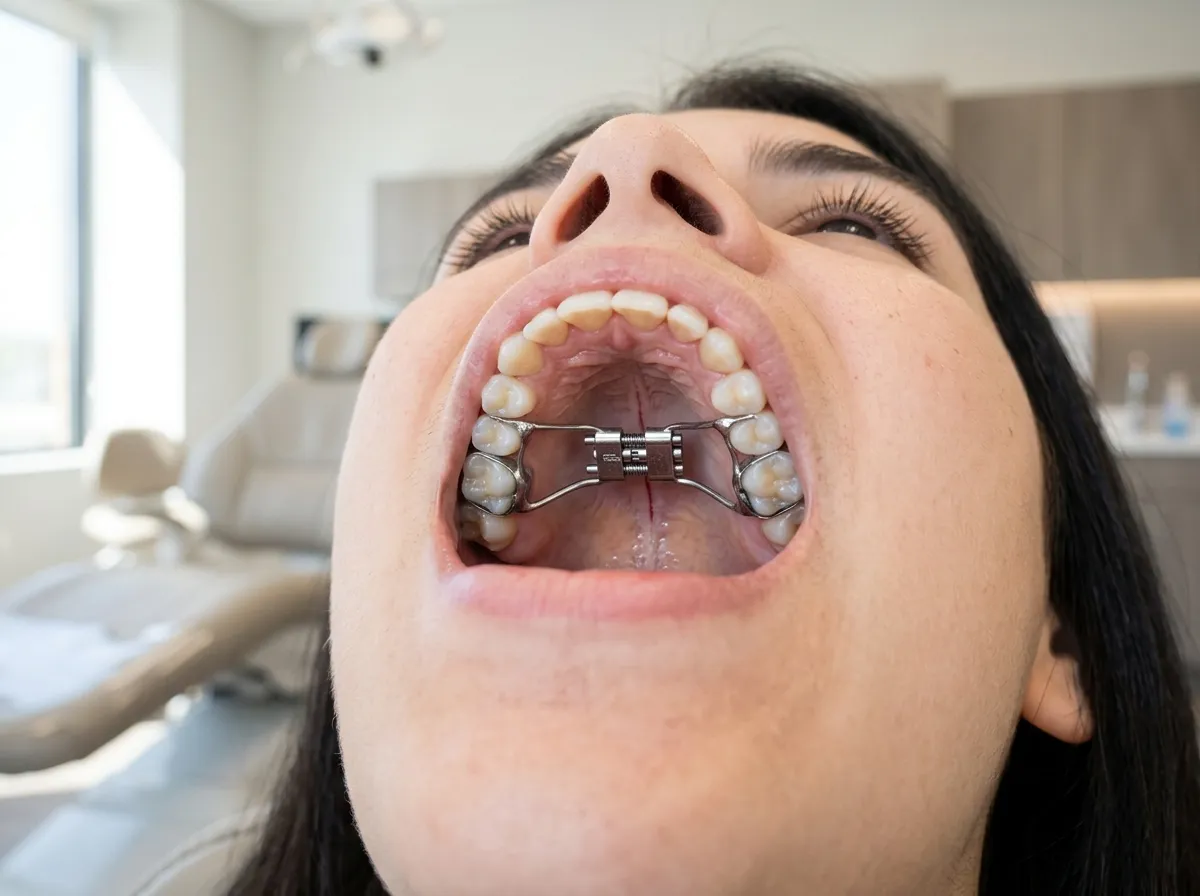
Most palatal expanders are fixed appliances that are cemented onto the upper back molars. They have a central screw in the middle. Each day (or as directed by your orthodontist), you use a small key to turn the screw a tiny amount. This applies gentle, steady pressure to the palate, gradually widening it over time.
Here is a simple step-by-step breakdown of how the turning process works:
- Position the key: Insert the special key into the small hole at the center of the expander screw.
- Turn toward the back of the mouth: Push the key gently toward the throat — you will feel a small click when the turn is complete.
- Remove the key carefully: Slide the key out gently, making sure not to turn it back in the other direction.
- Repeat daily: Your orthodontist will tell you exactly how many turns to do each day and for how long.
- Track your progress: Keep a simple calendar or notes to record each turn so you never lose count.
The expander moves the palate at a rate of about 0.5 millimeters per day. That sounds tiny, but it adds up quickly! Most children reach their target expansion within a few weeks.
Types of Expanders for Teeth
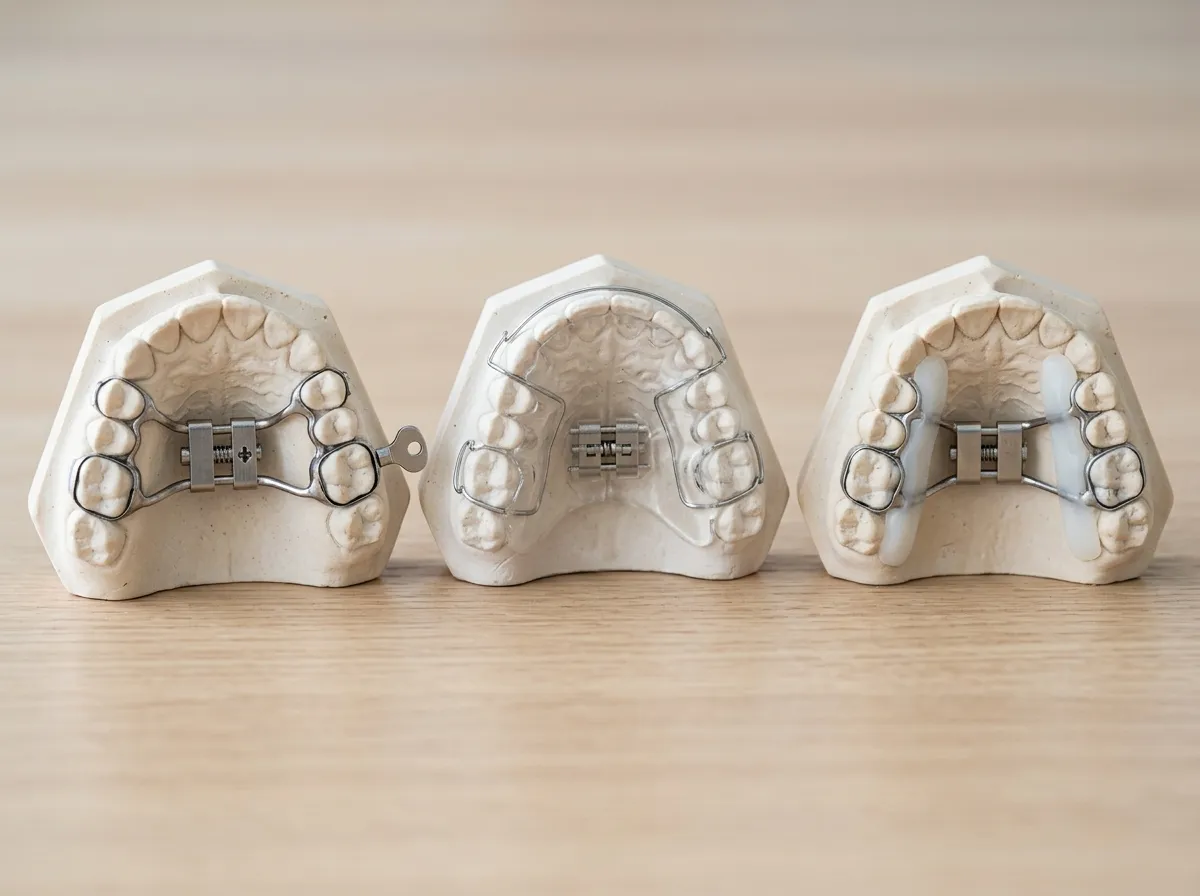
Not all expanders are the same. Your orthodontist will recommend the best type based on your child’s age, jaw structure, and treatment goals. Here is a quick look at the most common options:
| Type of Expander | Best For | How It Works | Key Feature |
|---|---|---|---|
| Rapid Palatal Expander (RPE) | Children and early teens | Fixed, turned daily with a key | Fast expansion results |
| Removable Expander | Mild cases, older children | Worn like a retainer, taken out for eating | Easy to clean |
| Spring-Loaded Expander | Children needing gentle pressure | Uses coiled springs for continuous light force | No daily turning needed |
| Surgically Assisted (SARPE) | Adults whose palatal bones have fused | Minor oral surgery combined with expansion | Works for fully grown jaws |
The most common type used for kids is the Rapid Palatal Expander (RPE). For adults interested in jaw correction, there are options too — you can explore adult orthodontics to see how treatment is tailored for fully grown patients.

Who Needs an Expander for Their Teeth?
Orthodontic expanders are not needed by every child. Your orthodontist will recommend one when specific issues are present. Here are the most common reasons a child might need an expander:
- Crossbite: When upper teeth bite inside the lower teeth instead of outside them
- Crowded teeth: Not enough space for permanent teeth to come in properly
- Narrow upper arch: A high, narrow palate that limits space for teeth and even affects breathing
- Impacted teeth: Permanent teeth that are stuck and cannot erupt normally
- Mouth breathing: A narrow airway caused by a narrow palate
The American Association of Orthodontists recommends that children have their first orthodontic evaluation by age 7. Early detection means early action! Check out our page on your first visit to see what to expect when you bring your child in.
The Best Age for Expanders
Timing matters a lot when it comes to teeth expanders. The ideal window is before puberty, when the palatal bones are still separated by a soft tissue called the mid-palatal suture. Once puberty hits, those bones start to fuse together, making expansion much harder (and requiring surgery in adults).
| Age Group | Bone Flexibility | Expander Effectiveness | Typical Treatment |
|---|---|---|---|
| Ages 6–10 | Very flexible | Highly effective | RPE or removable expander |
| Ages 11–14 | Moderately flexible | Still very effective | RPE, sometimes before braces |
| Ages 15–17 | Less flexible | Moderately effective | RPE with close monitoring |
| Adults (18+) | Fused bones | Requires surgical assist | SARPE procedure |
If your child is in their pre-teen years and showing signs of crowding or bite issues, now is a great time to act. Early treatment through adolescent orthodontic treatment can make a huge difference in long-term outcomes.
Benefits of Orthodontic Expanders
Parents sometimes wonder — is this really worth it? The answer is almost always a resounding yes! Here are the biggest benefits of using expanders for teeth:
- Creates space without extractions: Widening the arch often eliminates the need to pull permanent teeth
- Corrects crossbites early: Prevents uneven jaw growth and facial asymmetry
- Improves breathing: A wider palate means a wider airway, which can reduce snoring and mouth breathing
- Boosts braces results: Teeth align faster and more predictably after expansion
- Prevents future problems: Less crowding now means fewer complications with adult teeth later
- Supports jaw harmony: Helps upper and lower jaws work together properly
When expansion is done alongside braces or clear aligners, the results can be truly transformative. You can even browse our before and after gallery to see real patient results!
What to Expect During Expander Treatment
Getting an expander placed is a straightforward appointment. Your orthodontist will take impressions or digital scans of your child’s mouth, fabricate the custom device, and cement it in place during a follow-up visit. The whole process is painless, though a little strange at first!
Common Side Effects (And How to Handle Them)
It is totally normal to experience a few temporary side effects when you first start using expanders for teeth. Here is what to expect and how to deal with each one:
- Soreness in the palate: Mild pressure and tenderness for the first few days — soft foods and over-the-counter pain relievers help a lot.
- A small gap between the front teeth: This is actually a good sign! It means the expander is working. The gap closes naturally once expansion is complete.
- Lisping or speech changes: Your child may sound a little different at first — give it 1-2 weeks and speech normalizes completely.
- Difficulty eating: Stick to soft foods for the first week. Things like yogurt, mashed potatoes, and soup are perfect.
- Increased saliva: The mouth recognizes the expander as something new and produces extra saliva. This settles down within a few days.
How Long Do You Wear an Expander?
Total treatment time with an expander is typically 3 to 6 months. This includes both the active expansion phase (when you are turning the key) and the stabilization phase (when the expander stays in place while new bone forms). Do not rush this step — the retention phase is just as important as the expansion itself!
After the expander comes off, your child will likely move on to braces or another phase of orthodontic treatment to fine-tune the alignment of their teeth.
How to Clean a Teeth Expander
Good hygiene is super important while wearing an expander. Food and bacteria can get trapped around the device, so a consistent cleaning routine is a must. Here are some easy tips:
- Brush after every meal, paying extra attention around the expander bands
- Use a water flosser or oral irrigator to flush out food debris from under the device
- Rinse with fluoride mouthwash daily to protect against cavities
- Avoid sticky, chewy, or hard foods that can get stuck or damage the appliance
- Schedule regular dental cleanings throughout treatment
Our patient resources page has more helpful tips on caring for orthodontic appliances. We want your child’s treatment journey to be as smooth and comfortable as possible!
Expanders and Braces: A Powerful Combination
Many children use an expander as Phase 1 of a two-phase orthodontic plan. After expansion creates the necessary space, Phase 2 involves braces or clear aligners to move the teeth into their ideal positions. This combination approach often produces better results than braces alone — and it typically reduces overall treatment time.
At Torres Orthodontics, Dr. Rodney Torres takes a personalized approach to every patient’s care plan. Whether your child needs an expander, braces, or both, the team uses advanced technology like digital impressions and 3D treatment planning to design the most effective path forward. You can follow along with patient journeys and treatment tips on the Torres Orthodontics Instagram page for some extra inspiration!
If you are comparing options for your child or teen, check out our guide on braces for kids: what every parent should know for a full picture of what modern orthodontic treatment looks like.
How to Get Started with Expanders for Teeth in Miami Lakes
If you are a parent in the Miami Lakes area and you have noticed crowding, a crossbite, or your child is a mouth breather, do not wait! The sooner you get an evaluation, the more treatment options will be available — and the easier (and less costly) treatment will be.
Torres Orthodontics offers free smile exams to help you get started with zero pressure. You can visit our Torres Orthodontics Miami Lakes location on Google to read real reviews from our amazing patients and families. Our warm, welcoming team makes every visit feel comfortable and stress-free — right from the very first appointment.
You can also check out helpful orthodontic content, patient stories, and tips on our Torres Orthodontics YouTube channel to get a feel for who we are and how we work.
Making Orthodontic Care Affordable
We know cost is always a consideration for families. Orthodontic treatment including expanders typically ranges from $3,000 to $6,000 depending on the complexity of your child’s case. Torres Orthodontics accepts most major PPO dental insurance plans, Medicaid, and offers flexible monthly payment plans to make care accessible to every family. Visit our insurance and financing page to learn more about your options.
Your Child’s Smile Starts Here
Expanders for teeth are one of the most effective tools in orthodontics for setting kids up for a lifetime of healthy, beautiful smiles. When used at the right time, they can prevent extractions, fix bite issues, improve breathing, and make future orthodontic treatment faster and more effective. The key is starting early and working with an experienced orthodontist who truly cares about your child’s well-being.
Ready to take the first step? Schedule your child’s free smile exam today at Torres Orthodontics and let Dr. Torres create a personalized treatment plan that sets your child’s smile on the right track. We cannot wait to meet your family!
FAQs
Q: Are expanders for teeth painful for kids?
A: Most kids experience mild soreness or pressure for the first few days after a new turn — not real pain, just a feeling of tightness. Over-the-counter pain relievers and soft foods make those first days much more comfortable, and most kids adjust quickly within a week!
Q: How long does a child have to wear a teeth expander?
A: Most children wear their expander for 3 to 6 months total. This includes the active expansion phase (when you are turning the key daily) and the stabilization phase (when new bone forms to lock in the expansion). Skipping the stabilization phase too early can cause the palate to narrow back.
Q: Can adults use expanders for teeth?
A: Great question! Adults can use expanders, but since their palatal bones have already fused, they typically need a surgically assisted palatal expander (SARPE). This involves a minor oral procedure to allow the expansion device to do its job effectively. Ask your orthodontist what option is right for you!
Q: Will my child need braces after a palatal expander?
A: In most cases, yes — expanders are usually Phase 1 of a two-phase treatment plan. After expansion creates the necessary space in the jaw, braces or clear aligners are used in Phase 2 to move teeth into their final ideal positions. The good news is that expansion often makes Phase 2 faster and more effective!
Q: How do I clean my child’s palatal expander?
A: Cleaning an expander is simple but important! Have your child brush around the device after every meal, use a water flosser to rinse out trapped food, and rinse with fluoride mouthwash daily. Avoiding sticky and hard foods will also help keep the appliance in great shape throughout treatment.


