Key Takeaways
-
Teeth naturally drift back after orthodontic treatment without retainers; this relapse can occur within weeks, making retainer wear essential to protect your investment in orthodontic treatment.
-
Most orthodontists recommend full-time retainer wear for the first 3 months post-treatment, then transition to nightly wear indefinitely to prevent long-term tooth shifting.
-
A hybrid retention approach using a fixed retainer on lower front teeth and removable clear retainer on upper teeth offers superior protection by combining zero-compliance stability below with easy cleaning above.
-
Clear plastic retainers last 1-3 years and require cool water only, while Hawley retainers last 5-10 years; replace retainers immediately if cracked or damaged, as worn retainers are less effective and harbor bacteria.
-
If your retainer feels tight or won't fit, contact your orthodontist immediately instead of forcing it; forcing a misfit retainer can damage teeth and gums or indicate significant tooth movement needing retreatment.
-
Proper daily care includes rinsing with cool water immediately after removal, gentle brushing with soft toothbrush and mild soap, safe storage in a case, and regular soaking with cleaning tablets to prevent bacteria buildup.
You’ve done it! Braces are off, or your aligner trays are finally complete. Your smile looks amazing. But then your orthodontist hands you a retainer and says, “Wear this every day.” You might be thinking — wait, I still have to wear something? The good news is, yes, and it’s totally worth it. Orthodontic retainers are one of the most important parts of your entire treatment journey. Without them, your beautifully straightened teeth could slowly drift back toward where they started. This guide covers everything you need to know about retainers — what they are, how they work, which types exist, and how to care for them properly. Whether you’re a parent in Tampa, a teen finishing braces, or an adult who just completed clear aligner treatment, this is your go-to resource. Let’s dive in!

Why Retainers Matter After Orthodontic Treatment
After braces or aligners, your teeth are in their ideal new positions. But here’s the thing — your bone and surrounding tissues haven’t fully adapted yet. Think of it like a freshly planted tree. The roots need time to settle before the tree stands firm on its own. Retainers hold your teeth in place while that stabilization process happens naturally.
According to the American Association of Orthodontists (AAO), retainers are specifically designed to hold teeth while bone tissue adapts and stabilizes around the new tooth positions. Without this step, teeth can shift — sometimes within just a few weeks. This unwanted movement is called relapse, and it’s one of the most common issues orthodontists see in patients who skip retainer wear.
Poor retainer compliance is actually one of the top reasons people end up needing orthodontic retreatment. If you’ve invested time and money into a beautiful smile, protecting it with a retainer is the smartest thing you can do. You can learn more about the full treatment picture on the common treatments page.
The 3 Main Types of Retainers
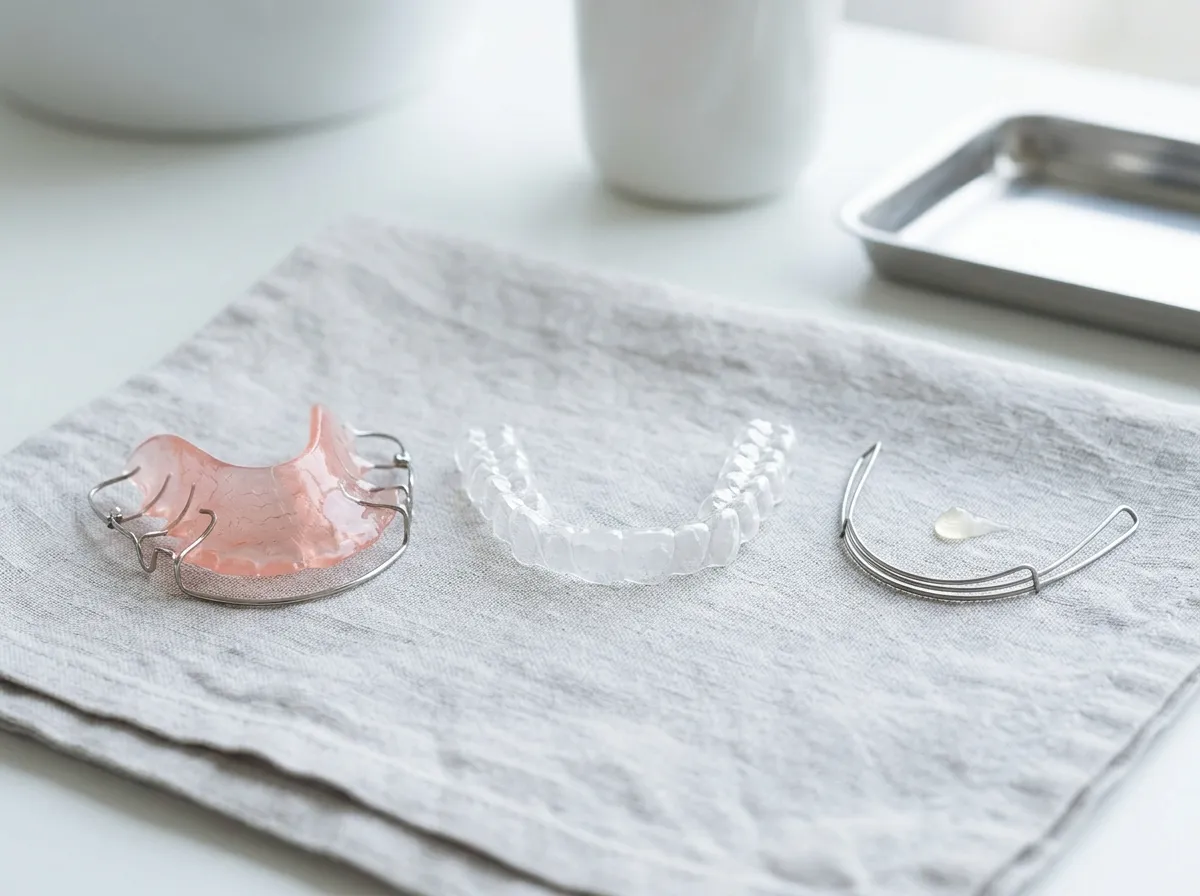
Not all retainers are created equal. Your orthodontist will recommend the best type for your specific bite, age, and relapse risk. Here’s a simple breakdown of the three most common options:
1. Clear Plastic Retainers (Essix Style)
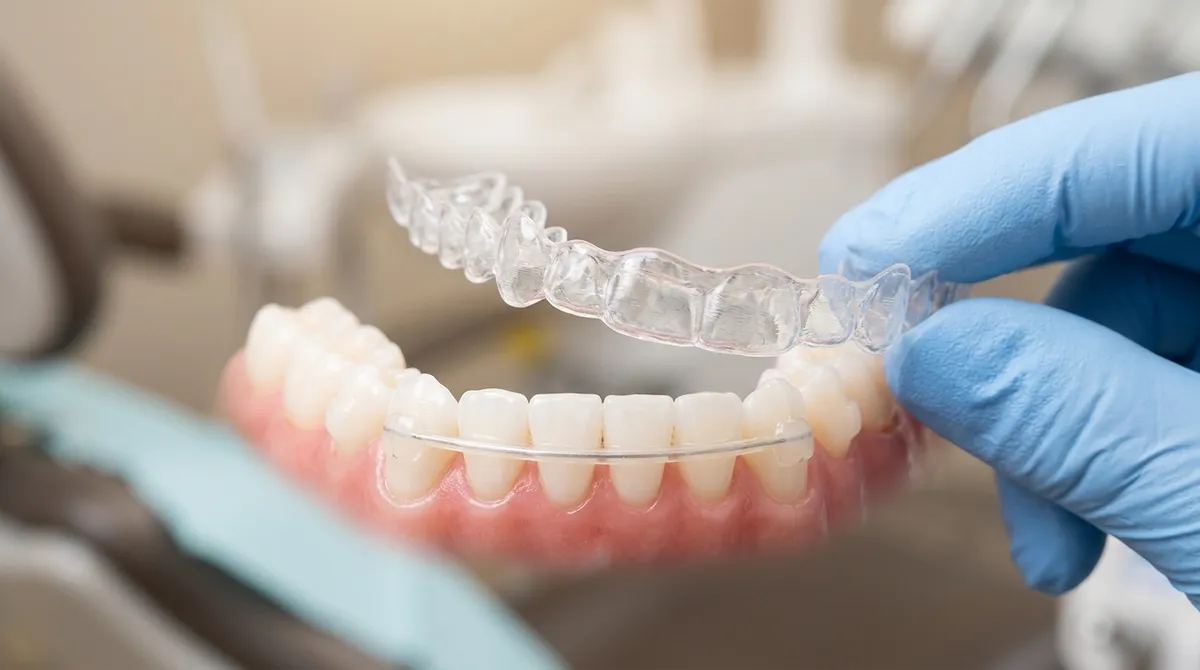
These are thin, transparent trays that fit snugly over your teeth — similar to aligner trays. They’re nearly invisible, which makes them very popular with teens and adults. They’re comfortable, easy to remove, and simple to clean. The downside? They can warp if exposed to heat or crack with heavy wear over time.
2. Hawley Retainers
Hawley retainers are made from acrylic and a metal wire that wraps across the front of your teeth. They’re more durable than clear trays and can be adjusted if minor movement occurs. They’re also quite noticeable, which is a tradeoff some patients don’t love — but they last significantly longer with proper care.
3. Fixed (Bonded) Retainers
Fixed retainers are thin wires bonded directly to the back of your teeth. You can’t remove them — they stay in place 24/7. This makes them incredibly effective for long-term stability, especially on the lower front teeth. A 2023 review published in PMC found that fixed retainers may be more effective than removable retainers in the lower arch during the first 6 months of retention.
| Retainer Type | Visibility | Removable? | Best For | Average Lifespan |
|---|---|---|---|---|
| Clear (Essix) | Nearly invisible | Yes | Upper arch, discreet wear | 1–3 years |
| Hawley | Noticeable wire | Yes | Durability, adjustability | 5–10 years |
| Fixed/Bonded | Hidden (back of teeth) | No | Long-term lower arch stability | Many years |
How Long Do You Need to Wear a Retainer?
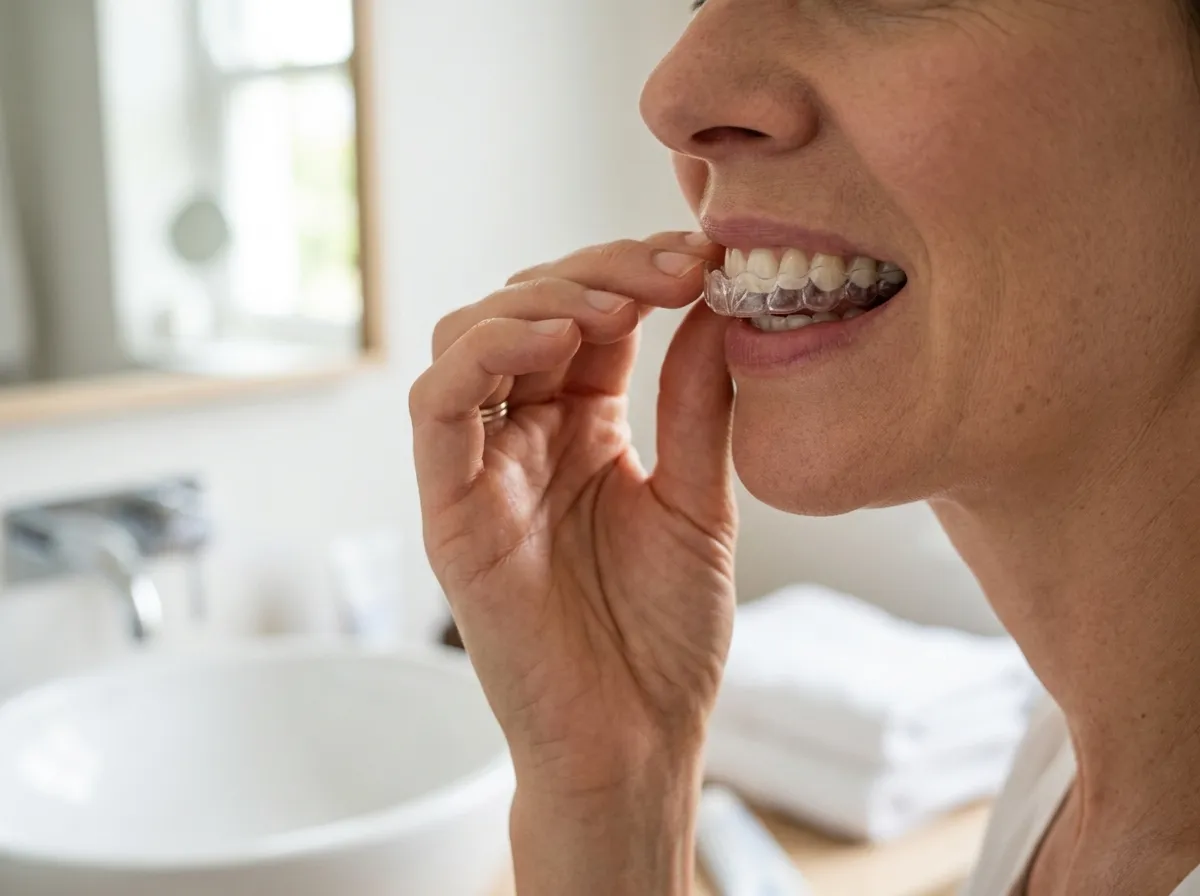
This is the question everyone asks! The honest answer: it depends on your case. Every patient is different. However, most orthodontists follow a general pattern that looks something like this:
- First few months: Full-time wear (22–24 hours per day), removing only to eat, drink, and brush.
- Months 6–12: Transition to nighttime-only wear once bone has had time to stabilize.
- Long-term: Nightly wear indefinitely to prevent gradual shifting over the years.
The AAO is clear that there is no universal wear schedule — your orthodontist will customize your retention plan based on your specific bite and relapse risk. Patients with more severe crowding before treatment may need to wear their retainers more consistently over the long haul. For teens going through adolescent treatment, consistent wear is especially important during growth phases.
| Stage | Timeframe | Recommended Wear |
|---|---|---|
| Early retention | 0–3 months post-treatment | Full-time (22+ hours/day) |
| Active retention | 3–12 months post-treatment | Transitioning to nighttime |
| Long-term maintenance | 1+ years post-treatment | Nightly wear |
Fixed vs. Removable: Which Is Better?
One of the most common questions patients ask is whether fixed or removable retainers work better. The research tells an interesting story. According to a 2023 PMC review, after about one year post-treatment, major retention protocols appear to be similarly effective in many studies. Fixed retainers have an edge early on — especially for the lower arch — but long-term comparisons show no statistically significant difference in some outcomes, including tooth irregularity and arch dimensions.
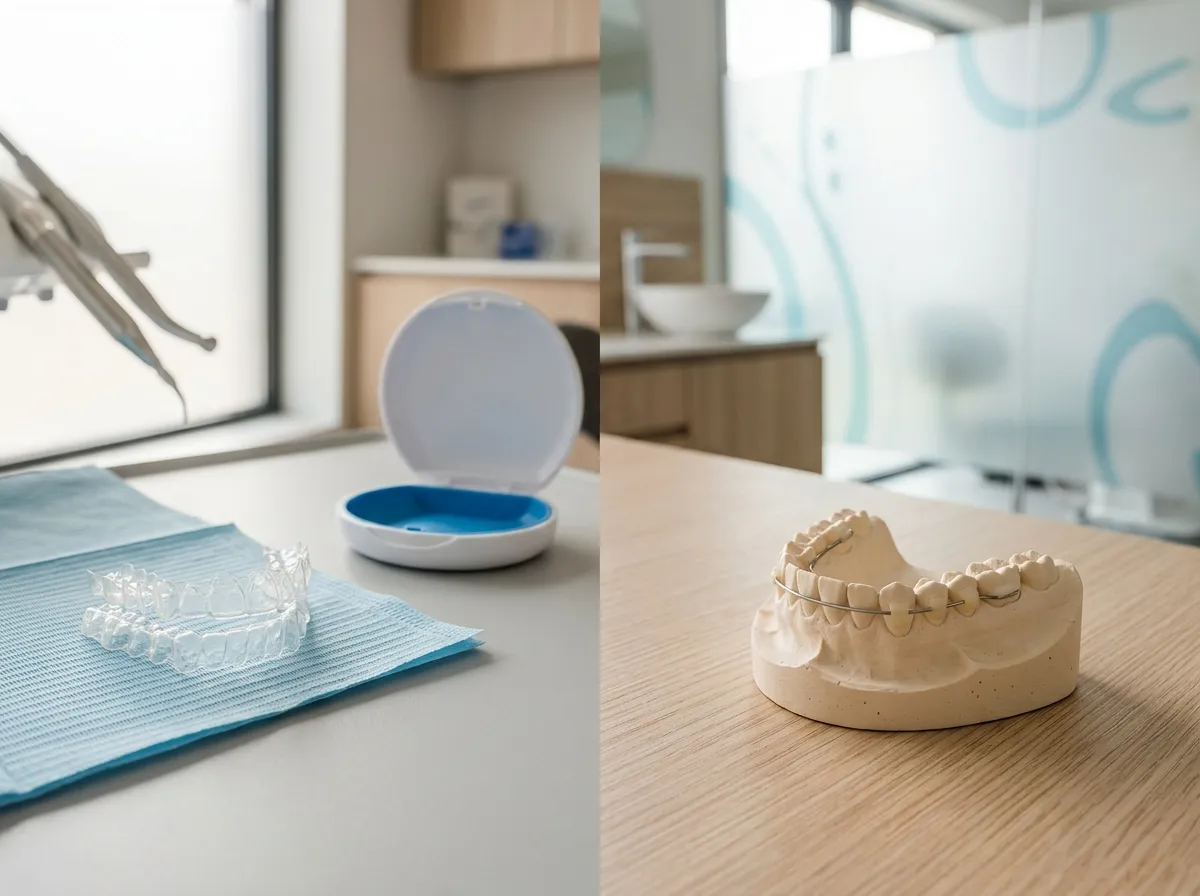
In practice, many orthodontists use a combination approach: a fixed retainer on the lower front teeth (where shifting is most common) and a removable clear retainer on the upper arch. This hybrid strategy offers the best of both worlds — consistent protection below, flexibility above. If you’re curious about what approach might work for you, the team at Torres Orthodontics can walk you through your options at your retainer fitting appointment.
Pros and Cons at a Glance
| Factor | Fixed Retainer | Removable Retainer |
|---|---|---|
| Compliance needed | None (always in) | High (must remember to wear) |
| Oral hygiene | Harder to floss | Easy — remove to clean |
| Risk of breakage | Wire can break or debond | Can crack, warp, or get lost |
| Early effectiveness | Strong (especially lower arch) | Good with consistent wear |
| Long-term outcomes | Comparable to removable | Comparable to fixed |
How to Care for Your Retainer
Taking care of your retainer is simple once you build good habits. Retainers that aren’t cleaned regularly can collect bacteria, develop odors, and break down faster. Here’s how to keep yours in top shape:
- Rinse it immediately after removal. Always rinse your retainer with cool water as soon as you take it out. Hot water can warp plastic retainers — always cool or lukewarm.
- Brush it gently every day. Use a soft toothbrush and mild soap or non-whitening toothpaste. Avoid harsh chemicals that can damage the material.
- Store it safely when not in use. Always use your retainer case. Leaving it on a napkin at lunch is the number one way retainers get accidentally thrown away — seriously, it happens all the time!
- Keep it away from heat. Don’t leave it in a hot car, near a stove, or in direct sunlight. Heat warps plastic fast.
- Soak it regularly. Use a retainer cleaning tablet or diluted white vinegar soak to keep it fresh and bacteria-free.
For patients with fixed retainers, flossing is key. Use a floss threader or water flosser to clean thoroughly under and around the bonded wire every day. Keeping up with this prevents plaque buildup and protects your gum health long term. Check out helpful tips on the patient resources page for more guidance.
What Happens If Your Retainer No Longer Fits?
If you try to put in your retainer and it feels tight, uncomfortable, or simply won’t fit — don’t force it. This is a sign your teeth have shifted. Forcing a misfit retainer can actually damage your teeth or gums. Here’s what to do instead:
- Contact your orthodontist right away.
- Do NOT try to force the retainer over shifted teeth.
- Ask about getting a new retainer made from a fresh impression.
- Discuss whether any minor tooth movement needs to be corrected first.
- If significant shifting has occurred, your orthodontist may recommend a short round of Invisalign or other retreatment to restore alignment before making a new retainer.
The best way to avoid this situation? Consistent retainer wear from the start. Prevention is always easier than correction. If you haven’t worn yours in a while, don’t be embarrassed — just call your orthodontist and get back on track. You can easily book a retainer check appointment to assess where you stand.
How Often Should Retainers Be Replaced?
Even with great care, retainers don’t last forever. Here’s a general guide for when to think about replacement:
- Clear (Essix) retainers: Replace every 1–3 years, or sooner if cracked, discolored, or distorted.
- Hawley retainers: Can last 5–10 years with proper care, but wires may need periodic tightening.
- Fixed retainers: The wire itself can last many years, but should be checked at regular dental visits to ensure the bonding is intact.
If you notice your retainer is cracked, smells bad even after cleaning, or feels loose, it’s time for a replacement. Wearing a damaged retainer is less effective and can even harbor bacteria. Stay up to date by visiting your orthodontist for periodic retainer checks — especially in the first year after treatment wraps up.
Retainers for Every Age and Stage
Retainers aren’t just for teenagers finishing braces. People of all ages need them after orthodontic treatment. Adults who complete adult orthodontic treatment often need to be especially diligent, since adult bone can be slower to adapt and stabilize than younger bone. Younger patients going through early orthodontic treatment may receive different retention plans as their jaws continue to grow and develop.
Parents in Tampa and the surrounding areas can feel confident knowing that the team at Torres Orthodontics will provide age-appropriate retention guidance for every family member — from kids to adults. You can visit us on Google — Torres Orthodontics Tampa to read real patient reviews and see how we’ve helped families protect their smiles for the long term. Follow along on Torres Orthodontics on Instagram for retainer tips, smile transformations, and behind-the-scenes content from the team.
Signs You Might Need a New Retainer Check
Not sure if it’s time to see your orthodontist about your retainer situation? Here are some common signs it’s time to book a visit:
- Your retainer feels tight or uncomfortable when you put it in.
- You’ve noticed spacing or crowding returning to your teeth.
- Your retainer is visibly cracked, chipped, or has a strong odor.
- You lost your retainer and haven’t replaced it yet.
- It’s been over a year since your last retainer check.
The first visit experience at Torres Orthodontics is warm and welcoming — and that same energy extends to every follow-up and retainer check. You’ll never feel judged for missing some wear time. We’re here to help you get back on track, not lecture you. Watch retainer care demonstrations and patient stories on our Torres Orthodontics YouTube channel for extra guidance.
Protecting Your Smile Investment for Life
Think about everything you went through to get your perfect smile — the appointments, the adjustments, the patience. Retainers are the final step that protects all of that hard work. They’re small, simple, and incredibly effective when worn consistently. Whether you choose a clear removable retainer, a Hawley retainer, or a fixed bonded wire, the goal is the same: keep your smile exactly where it belongs.
If you’re finishing up treatment or wondering whether your current retainer is still doing its job, the team at Torres Orthodontics is here to help. With locations in Tampa, Miami Lakes, and Boca Raton, getting expert retention advice has never been more convenient. Explore why patients across Tampa choose Torres Orthodontics for their family’s smile care — and see the beautiful before and after results that are possible with the right treatment and retention plan.
Your smile is worth protecting. Don’t let all that progress go to waste — stay consistent with your retainer, care for it daily, and check in with your orthodontist regularly. Ready to get started or have questions about your retention plan? Schedule your appointment with Torres Orthodontics today and keep that beautiful smile shining for life!
FAQs
Q: What do retainers do after braces or Invisalign?
A: Retainers hold your teeth in their new positions while the surrounding bone and tissues adapt and stabilize. Without them, teeth naturally tend to drift back toward their original positions — a process called relapse. Think of your retainer as the guardian of your gorgeous new smile!
Q: How long do you have to wear retainers after orthodontic treatment?
A: Most patients start with full-time wear for the first few months, then transition to nighttime-only wear as bone stabilizes. The honest truth? Many orthodontists recommend wearing your retainer nightly long-term — even indefinitely — to keep teeth from shifting over the years. It sounds like a lot, but sleeping with a retainer quickly becomes second nature!
Q: Are fixed retainers better than removable retainers?
A: Both options work well, and research shows that after about one year, outcomes are often comparable between fixed and removable retainers. Fixed retainers have a slight edge early on for the lower arch since they require zero compliance, while removable retainers offer easier cleaning. Many orthodontists actually recommend using both — a fixed wire on the lower arch and a clear removable retainer on top.
Q: How do you clean and care for a retainer?
A: Rinse your retainer with cool water every time you remove it, brush it gently with a soft toothbrush and mild soap, and store it in its case when not in use. Avoid hot water, which can warp plastic retainers, and soak it regularly with a cleaning tablet to keep bacteria and odors at bay. A clean retainer is a happy retainer — and a happy smile!
Q: What should you do if your retainer no longer fits?
A: If your retainer feels tight or won’t seat properly, don’t force it — contact your orthodontist right away. A poor fit usually means some tooth shifting has occurred, and forcing the retainer could actually cause harm. Your orthodontist can assess the situation, make a new retainer, and discuss whether any tooth movement needs to be corrected first.


