Key Takeaways
-
Teeth naturally shift after orthodontic treatment due to biting, chewing, and aging forces; consistent retainer wear is essential to prevent relapse and protect your orthodontic investment.
-
Wear your retainer full-time (22+ hours daily) for the first 3-6 months after treatment, then transition to nightly wear indefinitely to maintain tooth position long-term.
-
Two main retainer types exist: removable options (clear plastic or Hawley wire) that you control, and fixed bonded wires attached to teeth that work 24/7 without compliance effort.
-
Clean removable retainers by rinsing with cool water, brushing gently with mild soap, and soaking weekly in cleaning solution; store in a case to prevent loss or damage.
-
Replace your retainer immediately if it feels tight, cracks, warps, or breaks, as delays allow teeth to shift; modern 3D-scanned retainers offer improved precision and comfort.
-
Retainer needs vary by age—children may need space maintainers, teens require full-time wear during growth, and adults typically maintain nightly wear to prevent age-related tooth movement.
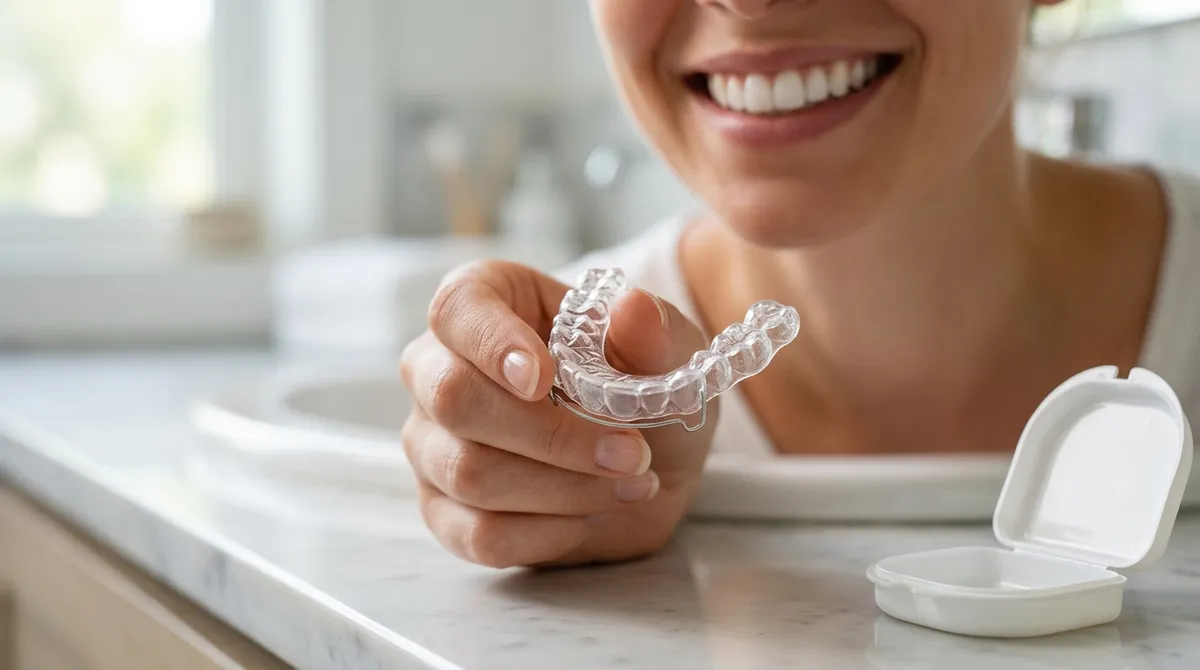
You just finished braces or clear aligners. Your smile looks amazing. But your orthodontist hands you a retainer and says, “Wear this every night.” You might be thinking — do I really need this? The answer is a big, enthusiastic yes! Orthodontic retainers are the unsung heroes of a lasting, beautiful smile. They do the quiet, important work of holding your teeth in place after all that hard work in treatment. Without them, teeth can drift back — and nobody wants that. Whether you’re a parent in Miami Lakes managing your teen’s post-braces routine, or an adult who just finished clear aligners, this guide is for you. Here are 7 things you absolutely must know about orthodontic retainers in 2026.
1. Retainers Hold Your Smile in Place After Treatment
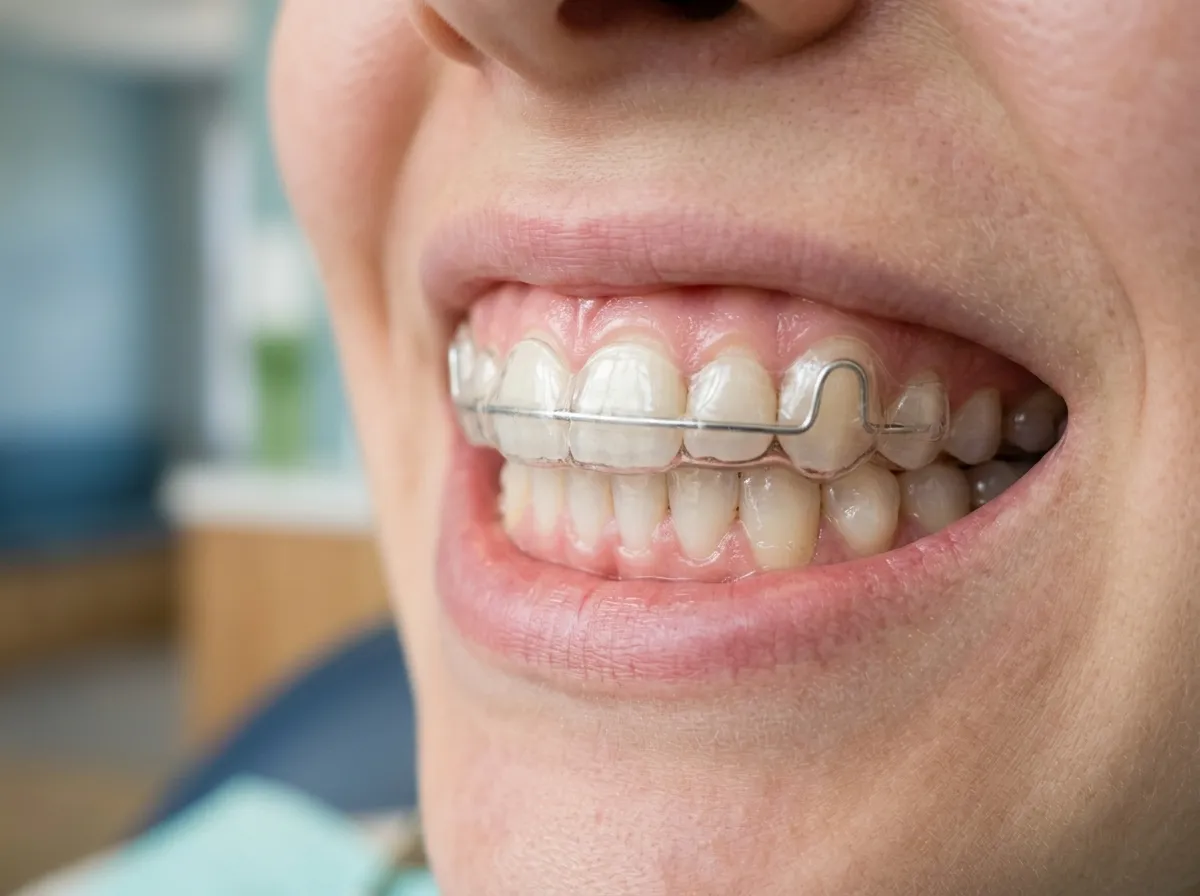
Here’s the most important thing to understand: orthodontic retainers are not designed to move your teeth. That’s what braces and clear aligners are for. Retainers are designed to hold your teeth in their new positions after active treatment is complete.
Think of it like building a house. Braces and aligners are the construction crew. Retainers are the foundation that keeps everything from shifting. After your teeth move into their new spots, the surrounding bone and tissue need time to stabilize. That’s exactly what retainer wear supports.
The American Association of Orthodontists recommends that everyone who completes orthodontic treatment use a retainer. It’s not optional — it’s essential for protecting your investment in your smile. Want to learn more about what retainers do after braces or aligners? We have a full breakdown for you.
2. There Are Two Main Types of Orthodontic Retainers
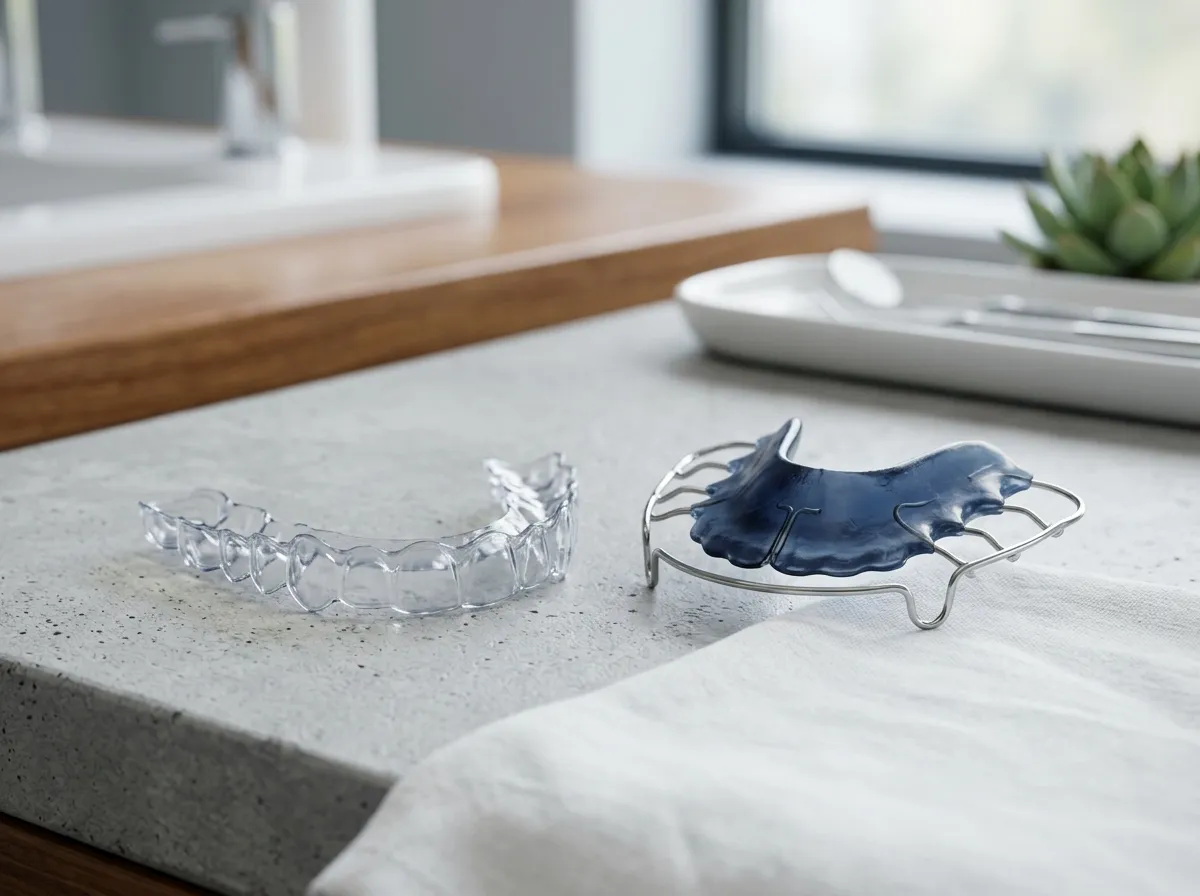
Not all retainers look or work the same way. Your orthodontist will recommend the right type based on your treatment history and your lifestyle. Here’s a simple breakdown:
Removable Retainers
These are retainers you can take in and out on your own. There are two popular styles:
- Hawley retainers: Made with a wire and acrylic plate. Durable and adjustable.
- Clear plastic retainers: Look similar to aligners. Discreet and popular with teens and adults.
Fixed (Bonded) Retainers
These are thin wires bonded to the back of your teeth — usually the lower front teeth. You can’t remove them yourself, but they work 24/7 without any effort on your part. They do require extra attention during brushing and flossing.
| Retainer Type | Appearance | Who Removes It | Best For |
|---|---|---|---|
| Hawley | Wire + acrylic plate | Patient | Long-term durability |
| Clear Plastic | Transparent tray | Patient | Discreet, aesthetic wear |
| Fixed/Bonded | Thin wire behind teeth | Orthodontist only | Maximum stability, no compliance needed |
If you’ve just finished Invisalign or another aligner system, your orthodontist may recommend a clear retainer that looks very similar to your last aligner tray. Easy transition!
3. Teeth Will Shift If You Skip Your Retainer
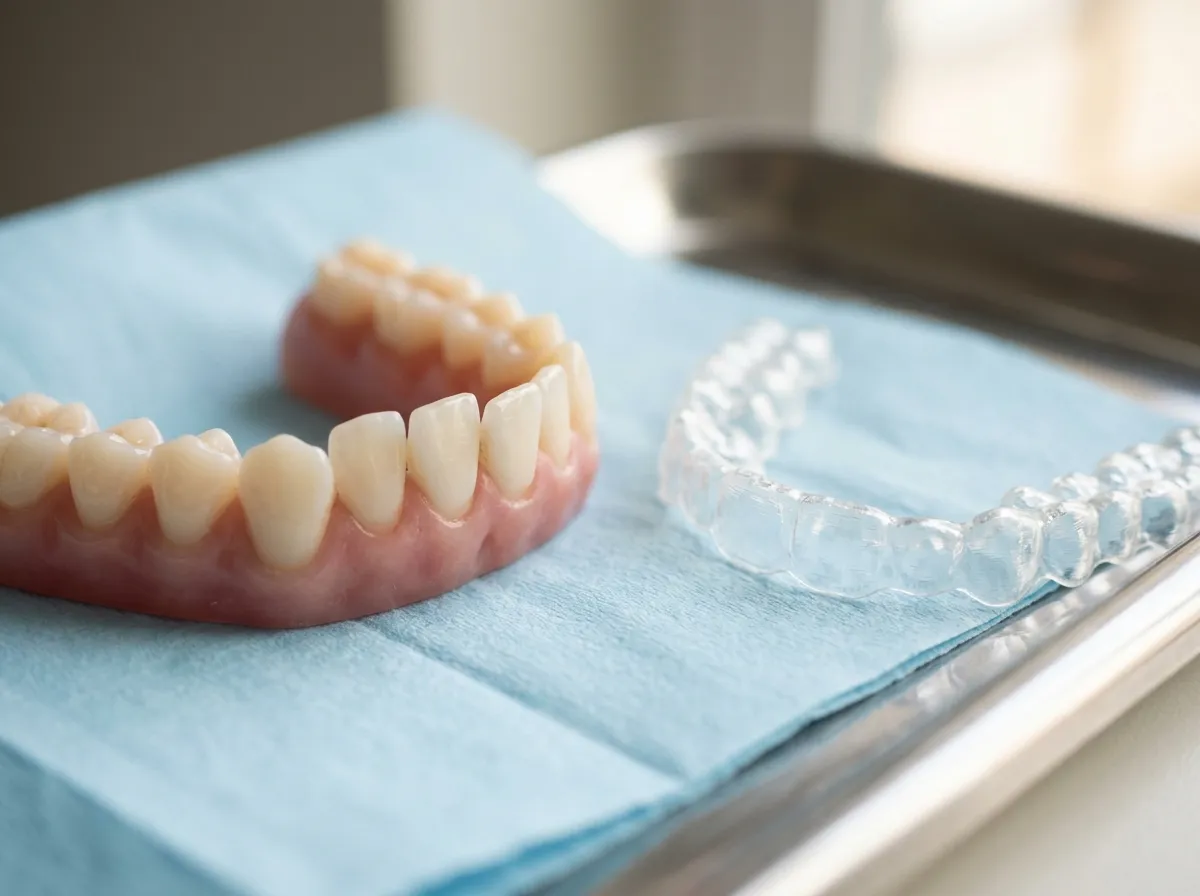
This is real, and it happens more often than people expect. Teeth are living structures held in place by soft tissue and bone. Even after orthodontic treatment, natural forces — like biting, chewing, growth, and aging — constantly push against your teeth.
If you stop wearing your retainer, especially in the first year after treatment, your teeth can start to drift back toward their original positions. This is called relapse. In some cases, the shift is minor. In others, it can be significant enough to require retreatment.
The good news? Relapse is almost entirely preventable with consistent retainer wear. Check out this helpful guide on common braces mistakes that slow down your smile — skipping retainer wear is one of the biggest.

4. How Long Should You Wear a Retainer?
This is one of the most common questions patients ask. The short answer: a long time. Possibly forever — at least part-time. Here’s a general timeline most orthodontists follow:
- First 3–6 months: Wear your retainer full-time (22+ hours a day), removing only to eat and brush.
- 6–12 months: Transition to nighttime wear as directed by your orthodontist.
- Year 2 and beyond: Continue nightly wear indefinitely to prevent long-term shift.
Every patient is different. Your orthodontist will give you a personalized schedule based on your treatment complexity, age, and bite. Teens and adults have different bone maturity levels, which can affect how quickly teeth tend to shift.
| Stage | Timeframe | Recommended Wear |
|---|---|---|
| Post-treatment (early) | 0–6 months | Full-time (22+ hrs/day) |
| Transition phase | 6–12 months | Nights only |
| Long-term maintenance | Year 2+ | Nightly (ongoing) |
5. Caring for Your Retainer Is Simple (But Important)
A retainer that isn’t cleaned properly can harbor bacteria, cause bad odors, and even affect your oral health. The good news is that keeping your retainer clean doesn’t take much time at all.
Tips for Removable Retainer Care
- Rinse your retainer with cool water every time you remove it.
- Brush it gently with a soft toothbrush and mild soap or non-whitening toothpaste.
- Soak it in a retainer cleaning solution or diluted white vinegar once a week.
- Keep it in its case when not in use — never wrap it in a napkin (pets and trash cans love retainers!).
- Avoid hot water, which can warp the plastic or acrylic.
Tips for Fixed Retainer Care
- Use a floss threader or water flosser to clean between teeth near the wire.
- Brush carefully around the wire daily.
- Visit your orthodontist regularly so they can check the bond and wire integrity.
Good retainer hygiene goes hand in hand with good oral health. If you have questions about your patient care routine, the team at Torres Orthodontics is always happy to help.
6. Retainer Technology Has Improved a Lot
Today’s orthodontic retainers are better than ever. Thanks to 3D scanning and digital workflows, retainers can be custom-made with incredible precision. No more uncomfortable goopy impressions — many practices now use digital scans to create perfectly fitted retainers.
Clear plastic retainers made from modern materials are more durable, more comfortable, and more aesthetic than older versions. This makes them a popular choice for adults and teens who want a discreet option.
At Torres Orthodontics, we use advanced technology to ensure every retainer fits precisely and comfortably. Digital impressions mean faster turnaround and a better fit right from the start. You’ll notice the difference!
The global orthodontic retainer market reflects how important this area has become. It was estimated at around USD 2.8 billion in 2025 and is projected to reach USD 5.1 billion by 2034. This growth is driven by more people completing orthodontic treatment and understanding the value of retention. You can also follow real patient journeys and tips on our Torres Orthodontics Instagram page for inspiration.
7. Retainers Work for All Ages — Kids, Teens, and Adults
Orthodontic retainers aren’t just for teenagers. Patients of all ages need them after completing treatment. Here’s how retainer needs vary by age group:
| Age Group | Common Treatment | Retainer Considerations |
|---|---|---|
| Children (6–10) | Early orthodontic treatment | May need space maintainers or early-phase retainers |
| Pre-Teens (10–13) | Phase 2 treatment prep | Retainers help guide permanent tooth eruption |
| Teenagers (13–18) | Braces or aligners | Full-time retainer wear important due to active growth |
| Adults (18+) | Braces or clear aligners | Nighttime retainers are standard long-term practice |
Parents in Miami Lakes managing their child’s early orthodontic treatment should ask about retention planning from the very beginning. Early awareness sets kids up for a lifetime of better oral health. And for adults exploring treatment options, adult orthodontics at Torres Orthodontics includes a full retention plan tailored just for you.
Teens undergoing adolescent orthodontic treatment should know that wearing their retainer consistently is one of the most important things they can do after braces come off. Think of it as the final step — and one that keeps paying off for years.
What Does a Retainer Cost?
Retainer costs vary depending on the type and your location. Here’s a general overview:
- Clear plastic retainers: Typically range from $100–$300 per arch.
- Hawley retainers: Usually cost $150–$350 per arch.
- Fixed bonded retainers: Generally range from $250–$500 per arch.
Many orthodontic practices include retainers as part of the overall treatment cost. At Torres Orthodontics, overall treatment plans range from approximately $3,000–$6,000, and retention planning is built into the process. We also accept most major PPO dental insurance plans and offer flexible monthly payment options. Learn more about insurance and financing options to find a plan that works for your family.
Losing or breaking a retainer happens — especially with active teens. Replacement retainers are available, and getting a replacement quickly is important to prevent unwanted shifting. Don’t wait! Follow us on Facebook at Torres Orthodontics for reminders, tips, and updates on our services.
How to Know If You Need a New Retainer
Even the best retainer doesn’t last forever. Here are some signs it’s time for a replacement:
- The retainer feels tight or uncomfortable when you put it in — this could mean teeth have shifted.
- The plastic is cracked, warped, or discolored.
- The wire on a Hawley retainer is bent or broken.
- The bonded wire on a fixed retainer has come loose from one or more teeth.
- You’ve lost it — it happens to the best of us!
If your retainer no longer fits well, contact your orthodontist right away. The sooner you address it, the less likely you are to experience significant tooth movement. You can book a quick check-in appointment to have your retainer evaluated. And if you’re in the Miami Lakes area, visit us on Google — Torres Orthodontics Miami Lakes to read patient reviews and get directions.
Want to see what patients are saying? Our before and after gallery shows real results from real patients — including those who’ve maintained their smiles beautifully with consistent retainer wear. You can also check out patient videos and tips on our Torres Orthodontics YouTube channel.
Your Smile Is Worth Protecting
You worked hard for your straight, healthy smile. Orthodontic retainers are the simple, affordable way to protect that investment for the long term. Whether you choose a clear retainer, a Hawley, or a bonded option, the key is consistency. Wear it as directed, keep it clean, and check in with your orthodontist regularly.
At Torres Orthodontics, Dr. Rodney Torres and his caring team make every step of treatment — including retention — as easy and comfortable as possible. From our locations in Tampa and Miami Lakes, we serve patients of all ages with personalized, patient-centered care that you can count on. Ready to get started or have questions about your retainer? Schedule your appointment with Torres Orthodontics today and let’s make sure your smile stays as beautiful as the day your braces came off!
FAQs
Q: What are orthodontic retainers and why are they important?
A: Orthodontic retainers are custom-made appliances worn after braces or clear aligner treatment to keep your teeth in their new positions. They’re super important because teeth can naturally shift over time — and a retainer is your best defense against losing all the progress you worked so hard for!
Q: How long do you need to wear a retainer after braces or aligners?
A: Most orthodontists recommend wearing your retainer full-time for the first several months, then transitioning to nightly wear long-term — often indefinitely. Think of it as a nightly habit that protects your smile for years to come. Your orthodontist will give you a personalized schedule.
Q: What is the difference between a fixed and a removable retainer?
A: A removable retainer (like a clear tray or Hawley retainer) can be taken in and out by the patient, while a fixed retainer is a thin wire bonded to the back of your teeth by your orthodontist. Fixed retainers are great because they work around the clock without any effort — but they do need extra care during brushing and flossing.
Q: What happens if you stop wearing your retainer?
A: If you stop wearing your retainer, your teeth can gradually shift back toward their original positions — a process called relapse. This can happen faster than you’d think, especially in the first year after treatment. The great news is that consistent retainer wear almost entirely prevents this from happening!
Q: How do you clean and take care of an orthodontic retainer?
A: For removable retainers, rinse with cool water each time you take it out, brush gently with mild soap, and soak it weekly in a cleaning solution. Always store it in its case! For fixed retainers, use a floss threader or water flosser and brush carefully around the wire every day. Easy habits make a big difference!


