Key Takeaways
-
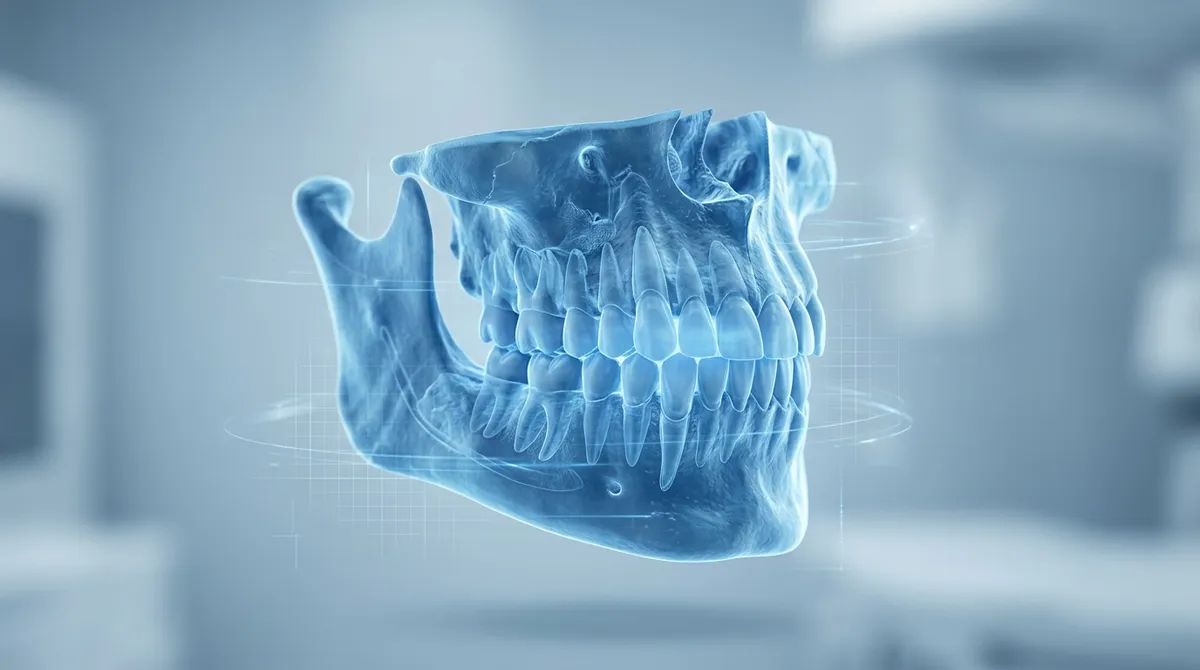
CBCT and intraoral 3D scanning reveal teeth, bone, nerves, sinuses, and airway in one detailed model, enabling orthodontists to detect impacted teeth and jaw issues that traditional 2D X-rays cannot show.
-
3D imaging creates precise digital models used to fabricate custom braces and Invisalign aligners, resulting in better-fitting appliances and more predictable treatment outcomes with potentially shorter treatment times.
-
CBCT radiation doses are much lower than hospital CT scans and orthodontists follow ALARA principles; intraoral scanning uses zero radiation, making both techniques safe for children, teens, and adults.
-
3D imaging is selectively recommended for complex cases including impacted teeth, jaw discrepancies, airway concerns, and early orthodontic evaluation in children ages 6-7, not required for every patient.
-
Treatment monitoring with periodic 3D scans at key milestones confirms teeth are moving as planned and allows orthodontists to make real-time adjustments, leading to better outcomes and fewer surprises.
-
CBCT scan costs typically range from $150-$500 and intraoral digital scans from $50-$200, but many orthodontic practices bundle imaging into overall treatment fees or records packages.
Have you ever wondered what your orthodontist sees when they look at your smile? Thanks to 3D dental imaging, they can see a whole lot more than ever before. This technology has changed the way orthodontists plan your treatment, and honestly, it is pretty amazing. Whether your child is getting their first orthodontic check, your teen is ready for braces, or you are an adult exploring clear aligners, 3D imaging makes a real difference in the care you receive. Let’s break down exactly what this technology is, why it matters, and how it can help your whole family get a healthier, more beautiful smile.
What Is 3D Dental Imaging in Orthodontics?
3D dental imaging in orthodontics most commonly refers to a technology called cone beam computed tomography, or CBCT. Think of it like a super-powered X-ray that spins around your head and builds a complete 3D picture of your teeth, jaw, and surrounding structures. Traditional X-rays only give a flat, 2D image. CBCT gives your orthodontist a full three-dimensional view, almost like a detailed map of everything happening inside your mouth.
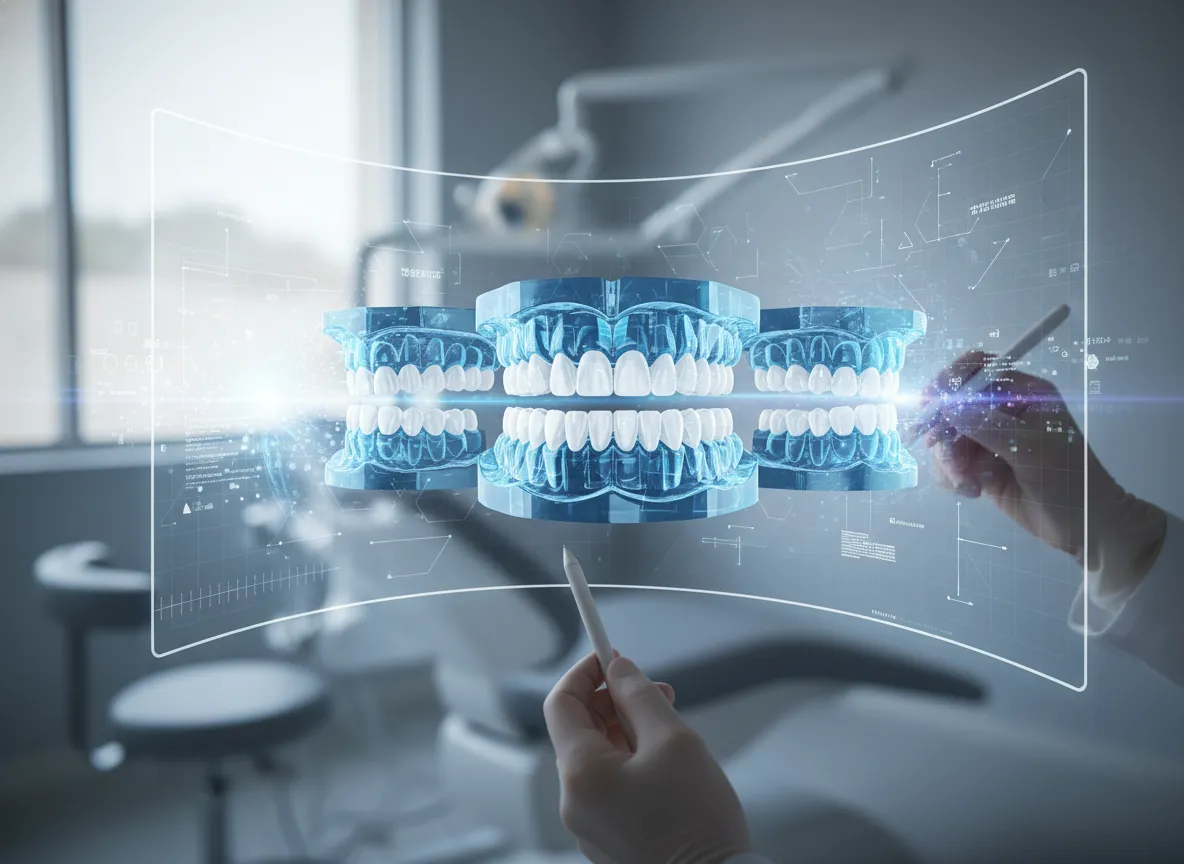
Orthodontic practices also use intraoral 3D scanning, which replaces those old goopy molds with a small wand that scans the inside of your mouth digitally. Both tools work together to give your orthodontist the most complete picture possible before any treatment begins. You can learn more about the advanced technology used at modern orthodontic practices to see just how far things have come.
How 3D Imaging Compares to Traditional X-Rays
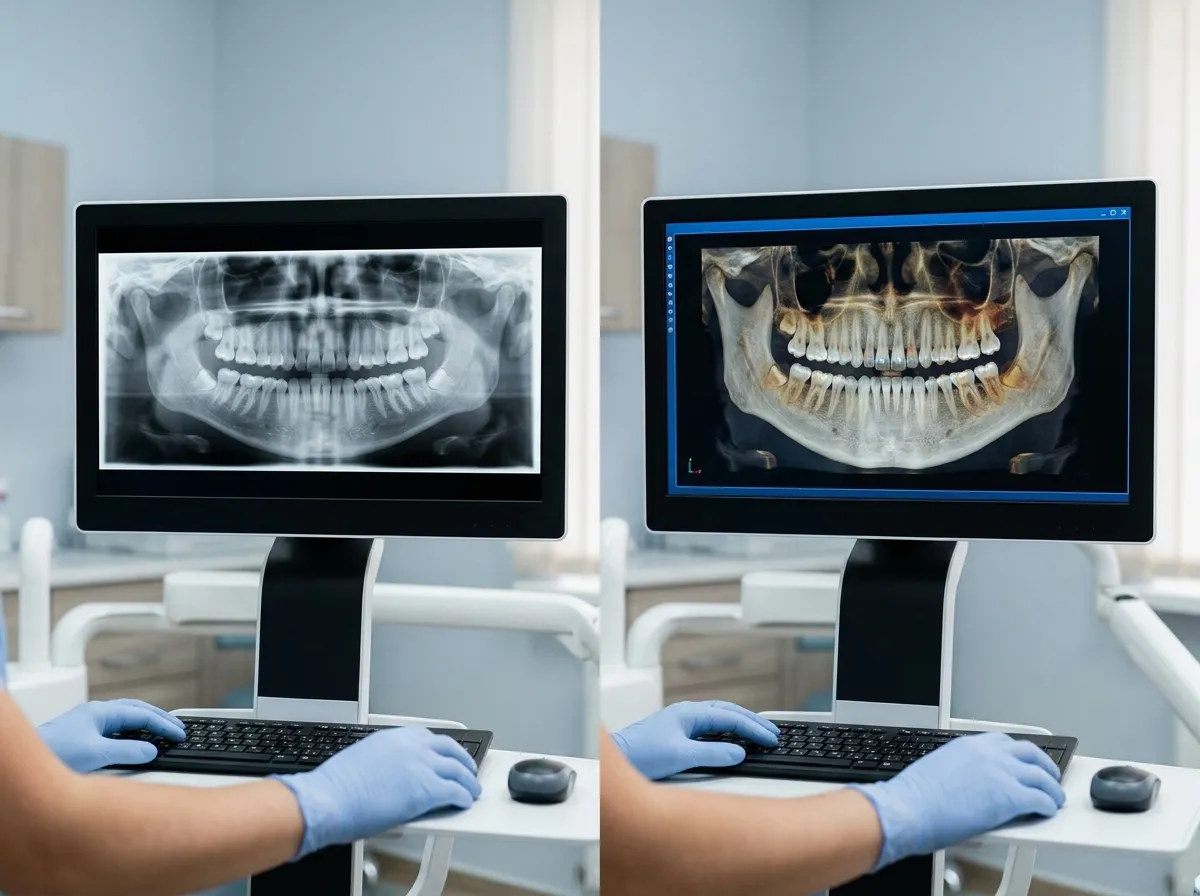
It helps to understand the key differences between 3D imaging and older methods. The table below makes it simple to compare both approaches side by side.
| Feature | Traditional 2D X-Rays | 3D Dental Imaging (CBCT) |
|---|---|---|
| Image Type | Flat, two-dimensional | Full three-dimensional model |
| Detail Level | Limited bone and tooth view | Shows teeth, bone, nerves, sinuses, and airway |
| Scan Time | Several minutes for multiple films | Can capture images in less than a minute |
| Comfort | Film biting, multiple repositioning | Simple scan, no biting required |
| Best For | Routine checkups, simple cases | Complex orthodontic planning, impacted teeth, jaw issues |
As you can see, 3D dental imaging offers a much richer level of detail. This means your orthodontist can make smarter, more personalized decisions about your treatment from day one.
Why Do Orthodontists Use 3D Dental Imaging?
The short answer? To make your treatment better. But let’s dig into the specific reasons why orthodontists rely on this technology throughout your care journey.
Diagnosing Problems That Are Hard to See
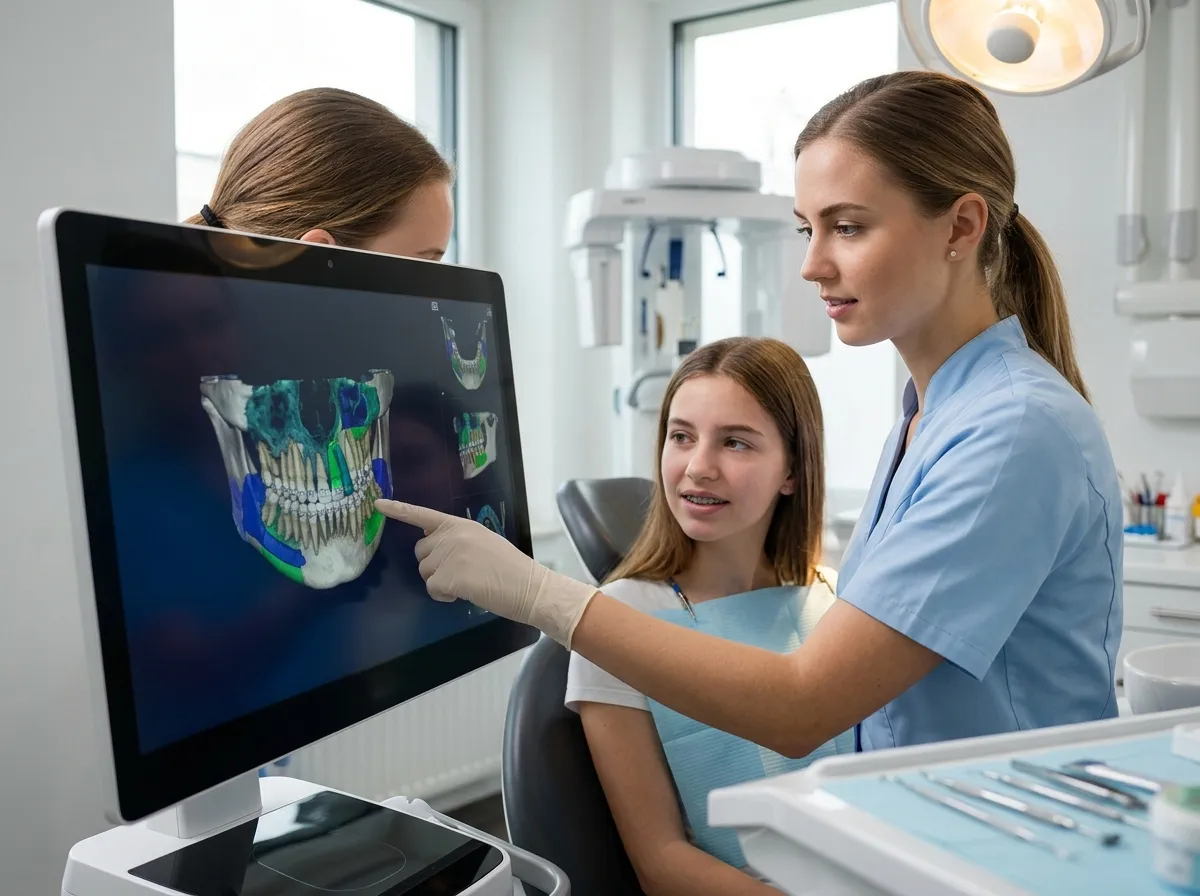
Some orthodontic issues are nearly invisible on a flat X-ray. Impacted teeth, for example, are teeth that are stuck beneath the gum and cannot come in on their own. 3D imaging shows exactly where those teeth are hiding and which direction they are pointing. This is especially important for early orthodontic treatment in young children, where catching problems early makes a huge difference.
The technology also reveals jaw relationships, bone density, and even airway structures. All of these things can affect how your orthodontic treatment should be planned. Missing this information could lead to a less effective treatment plan.
Building a Precise Treatment Plan
With a complete 3D model, your orthodontist can plan every tooth movement with much greater accuracy. This is especially helpful when designing Invisalign aligners or custom appliances. The aligners are actually built from digital models of your teeth, so the more accurate the scan, the better the fit and results.
For teens getting adolescent treatment, a precise plan can even help shorten treatment time. Nobody wants to wear braces longer than necessary, right?
Monitoring Your Progress
3D imaging is not just for the start of treatment. Orthodontists can use digital scans at multiple points to check how your teeth are moving and whether the plan needs any adjustments. This kind of monitoring leads to better outcomes and fewer surprises along the way.
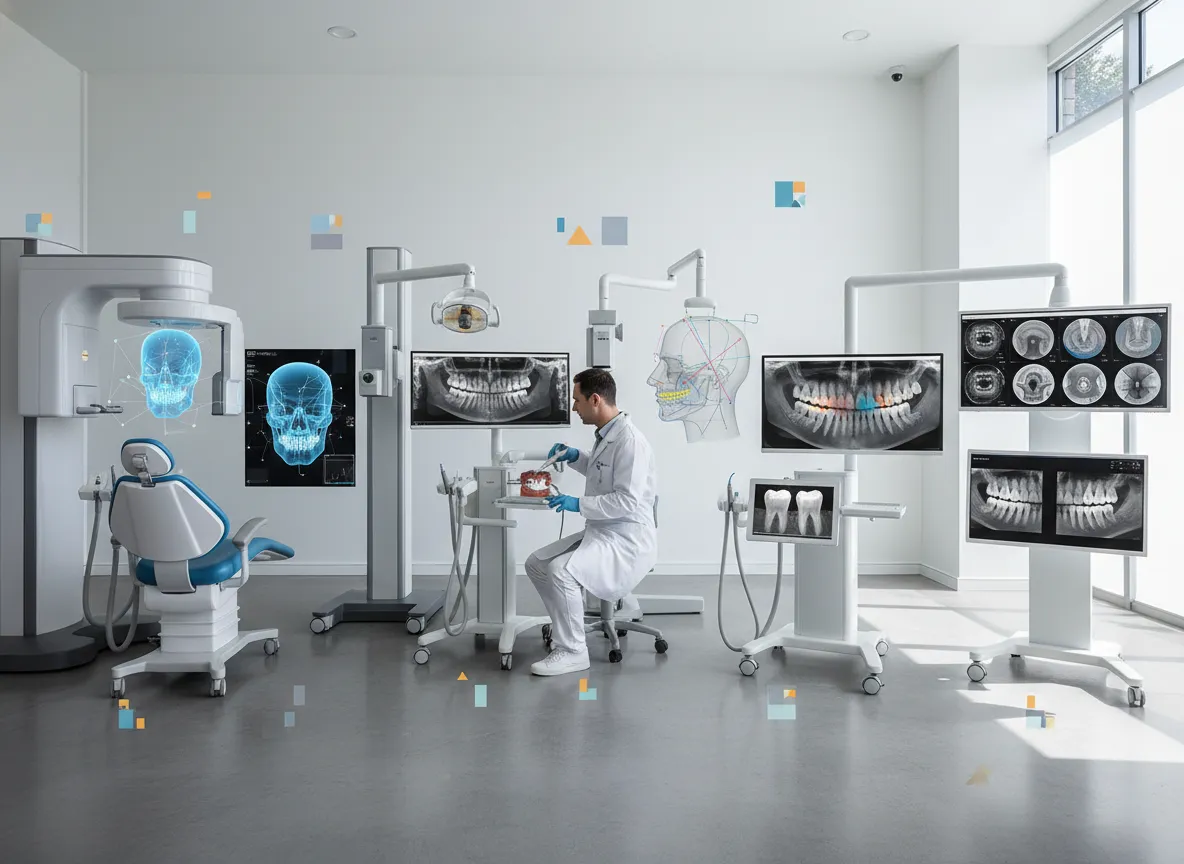
7 Types of 3D Imaging Techniques Used in Orthodontics
A review published in orthodontic literature identified seven distinct categories of 3D imaging techniques used in modern orthodontic care. Here is a look at the most relevant ones for patients.
- Cone Beam Computed Tomography (CBCT): The gold standard for 3D dental imaging in orthodontics. Captures a full 3D model of teeth, jaw, and nearby structures quickly and efficiently.
- Intraoral 3D Scanning: A small wand scans the inside of your mouth to create a precise digital model. This replaces messy physical molds entirely.
- Laser Scanning: Uses laser light to capture highly detailed surface geometry of teeth and dental models.
- Surface Scanning: Often used for dental models or facial imaging to capture outer contours precisely.
- 3D Photographic Imaging: Captures facial structures and soft tissue to help with smile planning and surgical cases.
- 3D Cephalometric Analysis: Combines 3D data with traditional head measurements for jaw and skeletal evaluation.
- 3D Orthognathic Surgery Planning: Used specifically for patients needing jaw surgery combined with orthodontics, allowing surgeons and orthodontists to plan together digitally.
Not every patient needs all of these. Your orthodontist will recommend only what is necessary for your specific case and goals.
When Does Your Orthodontist Recommend 3D Imaging?
Not every appointment requires a full CBCT scan. Orthodontists use 3D dental imaging selectively and thoughtfully. Here are the most common situations where it is recommended.
| Situation | Why 3D Imaging Helps |
|---|---|
| Impacted teeth | Shows exact position and root orientation of stuck teeth |
| Jaw discrepancies | Evaluates skeletal relationships for surgical planning |
| Complex bite problems | Reveals how upper and lower jaws align in three dimensions |
| Airway assessment | Identifies breathing-related structural concerns |
| Early orthodontic evaluation | Catches developing problems in young children before they worsen |
| Aligner fabrication | Creates precise digital models for Invisalign or clear aligner design |
For straightforward cases, a standard set of X-rays and an intraoral scan may be all that is needed. Your orthodontist will always choose the most appropriate tools for your situation.
Is 3D Dental Imaging Safe?
This is one of the most common questions parents ask, and it is a great one. CBCT does use a small amount of radiation, but modern machines are designed to minimize exposure. Doses are carefully calibrated to capture the needed information with the least amount of radiation possible.
Here are some key safety points to keep in mind:
- CBCT radiation doses are typically much lower than medical CT scans used in hospitals.
- Orthodontists follow the ALARA principle — using as low as reasonably achievable radiation to get the necessary images.
- Not every patient needs a CBCT scan. It is only recommended when the clinical benefit clearly outweighs any risk.
- Intraoral 3D scanning uses no radiation at all — it is just a light-based digital scan.
- Lead aprons and thyroid collars are typically used during any X-ray-based imaging.
If you ever have concerns about imaging recommendations, do not hesitate to ask your orthodontist. A good practice will always explain the reasoning clearly and put your comfort first.
How 3D Imaging Benefits Each Member of Your Family
One of the best things about 3D dental imaging is that it supports every stage of life. Here is how it helps different patients.
Young Children and Pre-Teens
For kids as young as six or seven, an early orthodontic evaluation can spot problems before they become serious. 3D imaging helps detect issues like crowding, narrow jaws, impacted permanent teeth, and bite problems that are still developing. Early action often leads to simpler treatment later. Learn more about what to expect during your child’s first visit to an orthodontist.
Teenagers
Teens are often in their most active growth phase, making precise imaging especially valuable. 3D scans help design custom braces or aligners that work with — not against — that growth. They also help detect any developing jaw issues that are better treated during growth years. Check out what the best braces options for teens look like with today’s technology.
Adults
Adult patients often have more complex dental histories, including previous dental work, bone changes, or jaw concerns. 3D imaging helps the orthodontist navigate those complexities safely and accurately. If you are considering treatment as an adult, read more about adult orthodontics and how modern technology makes it easier than ever.
How 3D Imaging Supports Braces and Clear Aligner Treatment
Whether you choose braces or Invisalign clear aligners, 3D dental imaging plays a key role in making your treatment as accurate as possible. Here is a quick step-by-step look at how it fits into a typical treatment journey.
- Initial Records Appointment: Digital scans and, when needed, a CBCT scan are taken to capture your full dental anatomy.
- Diagnosis and Planning: Your orthodontist reviews the 3D data to identify all issues and build a customized treatment plan.
- Appliance Design: For aligners or custom wire systems, the digital models are used to fabricate precisely fitting appliances.
- Treatment Monitoring: Progress scans can be taken at key milestones to confirm teeth are moving as planned.
- Finishing and Retention: Final scans confirm that treatment goals have been met before retainers are made to hold your new smile in place.
Every step of this process is smoother, faster, and more precise thanks to 3D technology. You can follow Torres Orthodontics on Instagram for real patient journeys and treatment highlights that show this process in action.
What to Expect During a 3D Dental Imaging Appointment
If you have never had a 3D scan before, here is what the experience typically looks like at a modern orthodontic practice:
- For a CBCT scan, you simply stand or sit still while the machine rotates around your head. It takes less than a minute in most cases.
- For an intraoral scan, a small wand is moved around the inside of your mouth. There is no radiation, no mess, and no gagging from impressions.
- Both scans are painless and quick. Most patients barely notice the process is happening.
- Results are available digitally right away, so your orthodontist can review them with you during the same visit.
- Children generally find the process easy and non-intimidating, especially when the team is friendly and explains each step.
Want to see what a modern orthodontic office looks like in person? Take an office tour to get a feel for the welcoming environment before your first appointment.
Understanding the Cost of 3D Dental Imaging
The cost of 3D dental imaging varies depending on the type of scan and the practice. Here is a general breakdown to help you plan.
| Imaging Type | Typical Cost Range | Notes |
|---|---|---|
| CBCT Scan | $150 – $500+ | Often included in records fees at orthodontic offices |
| Intraoral Digital Scan | $50 – $200 | Frequently included in consultation or treatment fees |
| Full Orthodontic Records | $200 – $400 | Typically includes scans, photos, and X-rays as a package |
Many orthodontic practices bundle imaging costs into their overall treatment packages. Insurance may cover some imaging costs, especially when medically necessary. For details on managing costs, visit the insurance and financing page for helpful guidance. You can also explore how to make orthodontic care affordable with flexible payment options.
Why Torres Orthodontics Embraces This Technology
At Torres Orthodontics, the commitment to patient-centered care goes hand in hand with using the best tools available. Dr. Rodney Torres and the team use digital impressions, 3D treatment planning, and in-house imaging tools to make appointments faster, more comfortable, and more precise. Patients in Tampa, Miami Lakes, and Boca Raton can experience firsthand how this technology makes a noticeable difference from their very first visit.
If you are in the Tampa area and want to see what modern orthodontic care looks and feels like, visit us on Google — Torres Orthodontics Tampa to read reviews and get directions to the Westchase-area location. You can also check out patient transformations on the before and after gallery to see real results. For fun behind-the-scenes content and smile transformations, follow along on the Torres Orthodontics YouTube channel.
Conclusion
3D dental imaging is one of the most valuable tools in modern orthodontic care. It helps orthodontists see what traditional X-rays simply cannot show. From catching early problems in young children to planning precise adult aligner treatment, this technology improves outcomes at every age and stage. It is faster, more comfortable, and more accurate than older methods. And most importantly, it means your treatment is built on the most complete picture of your smile possible.
Whether your family is ready for a first evaluation, exploring types of braces, or looking into clear aligners, modern imaging makes the journey smoother for everyone. You deserve a treatment plan that is designed just for you — and that starts with the right information. Schedule your appointment at Torres Orthodontics today and discover how 3D dental imaging and personalized care can transform your smile from the inside out. Also check us out on Facebook to stay connected with our community and the latest news from the practice.
FAQs
Q: What is 3D dental imaging in orthodontics?
A: 3D dental imaging in orthodontics usually refers to cone beam computed tomography (CBCT) and intraoral digital scanning. These tools create a full three-dimensional picture of your teeth, jaw, and surrounding structures, giving your orthodontist far more detail than a traditional flat X-ray can provide.
Q: Is 3D dental imaging safe for children and teens?
A: Yes, it is! CBCT scans use a very small amount of radiation — much less than a hospital CT scan — and orthodontists only recommend them when the benefit clearly outweighs any risk. Intraoral 3D scanning uses no radiation at all, making it completely safe for patients of all ages.
Q: How does 3D dental imaging help with braces or Invisalign?
A: 3D dental imaging gives your orthodontist a precise digital model of your teeth to plan every movement accurately. For Invisalign, the aligners are actually fabricated from these digital models, so a more accurate scan means a better-fitting aligner and more predictable results.
Q: Does 3D dental imaging cost extra at an orthodontic appointment?
A: Often, the cost of 3D scans is bundled into your overall orthodontic records or treatment fee, so there may not be a separate charge. If there is an additional cost, many insurance plans cover imaging when it is medically necessary. Always ask your orthodontic team what is included in your treatment package.
Q: When would an orthodontist recommend a CBCT scan?
A: CBCT is most commonly recommended for complex cases, such as impacted teeth, jaw discrepancies, airway concerns, or surgical orthodontic planning. Not every patient needs one — your orthodontist will recommend it only when the added detail will genuinely improve your treatment outcome.


