Key Takeaways
-
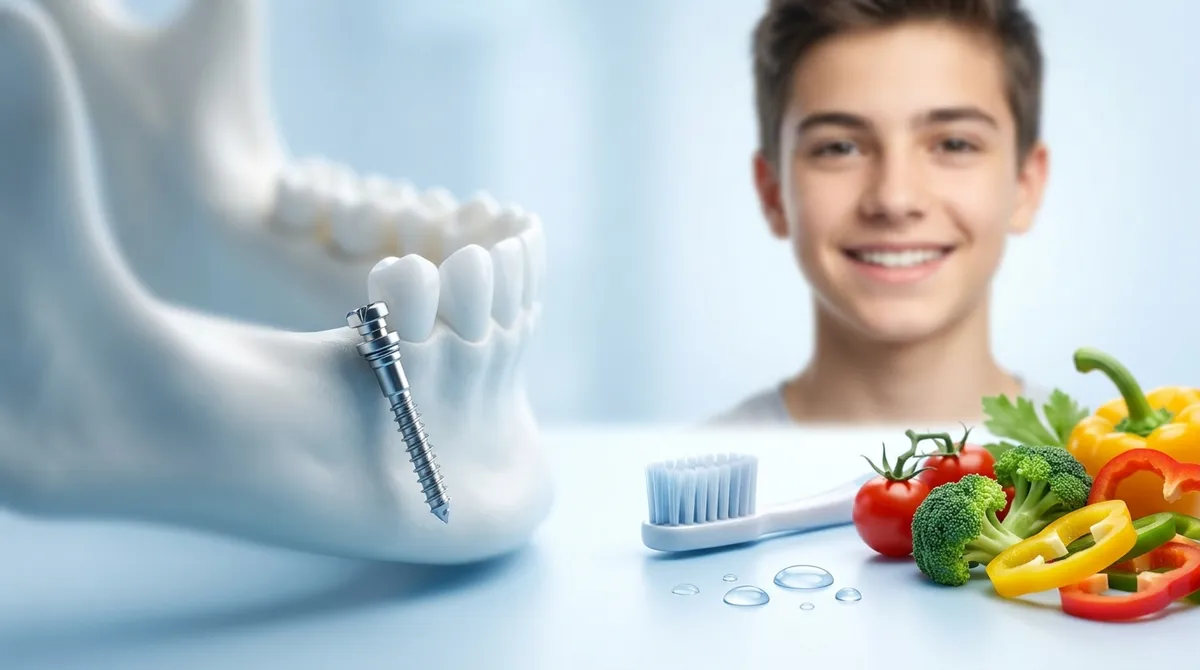
TADs are tiny titanium screws (1.5-2.0mm diameter) placed in the jawbone to provide stable anchor points for precise tooth movement, eliminating the need for daily compliance tools like headgear or elastics.
-
TADs require minimal patient effort post-placement since they work passively, making them ideal for busy teens and adults who struggle with wearing traditional compliance-dependent appliances daily.
-
TAD placement is quick (minutes), requires only local anesthetic numbing, and causes minimal discomfort—with removal being even simpler and faster, taking seconds with negligible pain.
-
TADs enable orthodontists to address complex movements that are difficult with braces alone, including molar distalization, tooth intrusion, midline correction, and anterior retraction with high precision.
-
TADs have a very high success rate when placed by experienced orthodontists and require basic care: gentle rinsing, soft brushing, avoiding sticky foods, and attending regular checkups.
-
Board-certified orthodontists using 3D treatment planning and digital imaging should place TADs, as proper positioning requires specialized training to avoid complications like root contact.
If you’ve heard the term temporary anchorage devices and felt a little puzzled, you’re not alone. It sounds technical, but the idea is actually pretty simple — and really exciting for orthodontic patients. These small but mighty tools are changing the way orthodontists move teeth, especially in complex cases. Whether you’re a parent researching treatment options for your child, a teen curious about what’s happening in your mouth, or an adult exploring adult orthodontics, this guide is for you. We’ll walk you through everything you need to know about TADs, from what they are to how they work and who can benefit from them. Think of it as your friendly neighborhood guide to one of orthodontics’ most useful tools!
What Are Temporary Anchorage Devices?
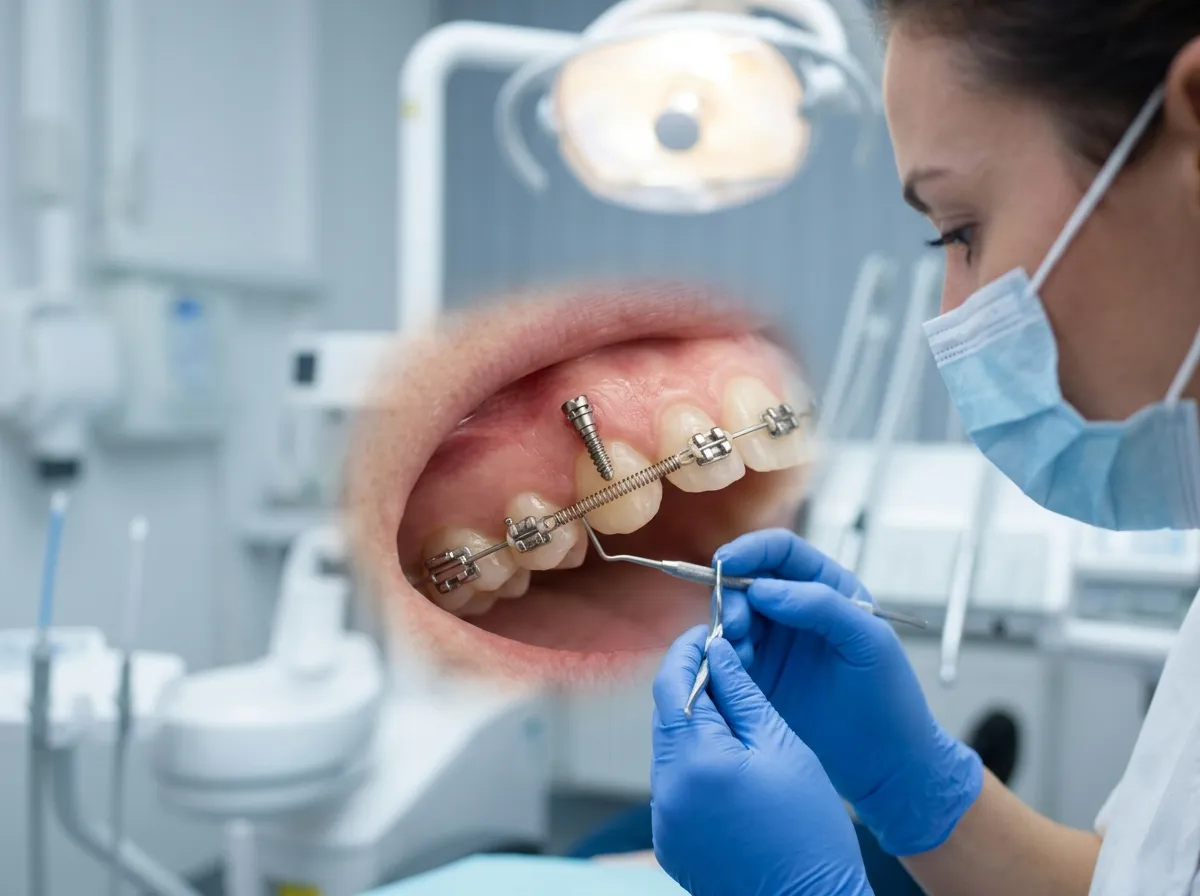
Temporary anchorage devices — commonly called TADs — are tiny titanium screws used in orthodontic treatment. They are usually about 1.5 to 2.0 mm in diameter and 6 to 10 mm in length. That’s roughly the size of a small earring post! They are placed gently into the jawbone as a fixed point that helps guide tooth movement. The word “temporary” is key here — they are removed once they’ve done their job.
Unlike regular dental implants, TADs don’t bond permanently with the bone. They simply rest in it long enough to support treatment. This makes them very different from permanent restorations. If you’re curious about the full range of common orthodontic treatments available today, TADs are one of the most exciting additions to the modern toolkit.
How Do TADs Work With Braces or Clear Aligners?
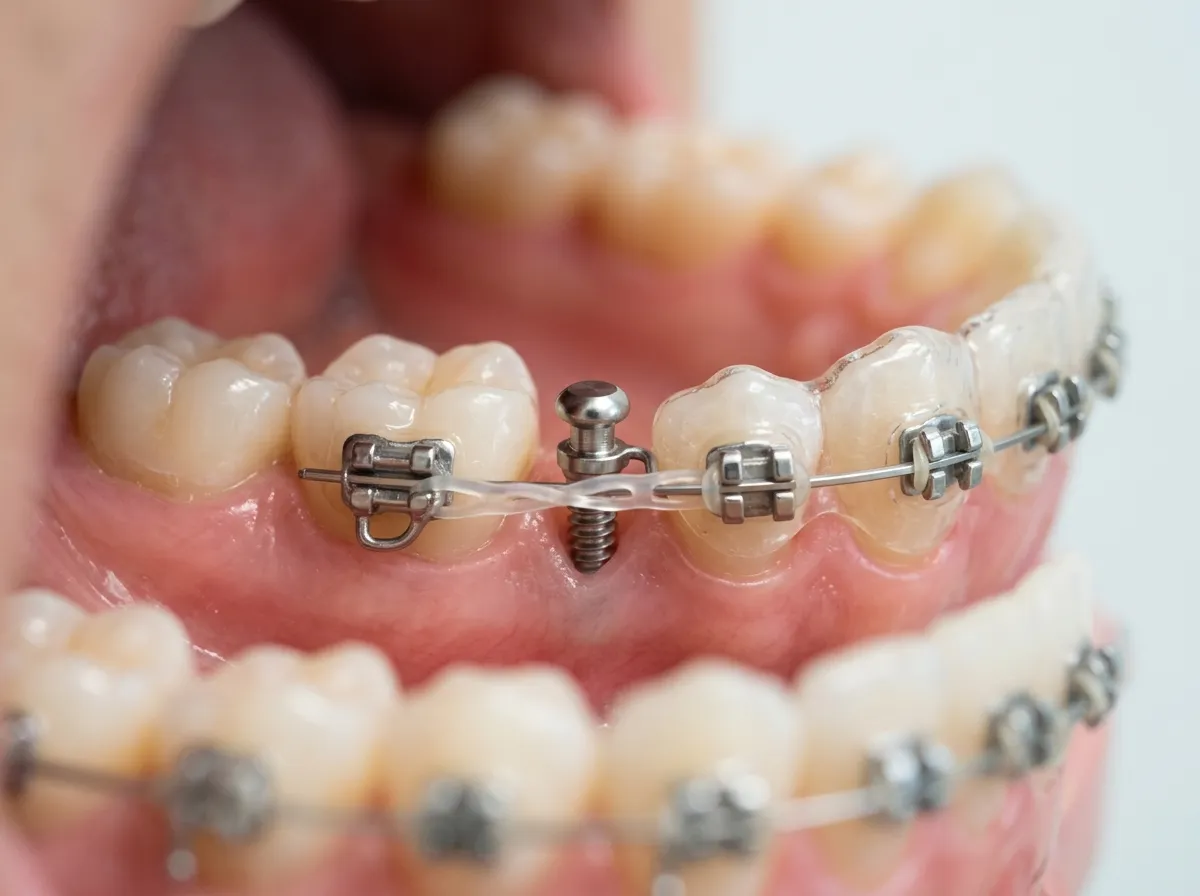
TADs act as a stable anchor point. Imagine trying to pull a heavy box across the floor. Without something to push against, you’d just slide around. TADs give your orthodontist something solid to push or pull against so they can move specific teeth precisely. This means other teeth aren’t pulled out of position accidentally during treatment.
They work beautifully alongside traditional braces and can even support some clear aligner treatments. The result? More controlled, predictable tooth movement. For teens and adults dealing with complex bite issues, this kind of precision can make a huge difference in treatment speed and outcomes.
Step-by-Step: What to Expect With TAD Placement
If your orthodontist recommends temporary anchorage devices, you might be wondering what the process actually looks like. Here’s a simple breakdown of what typically happens:
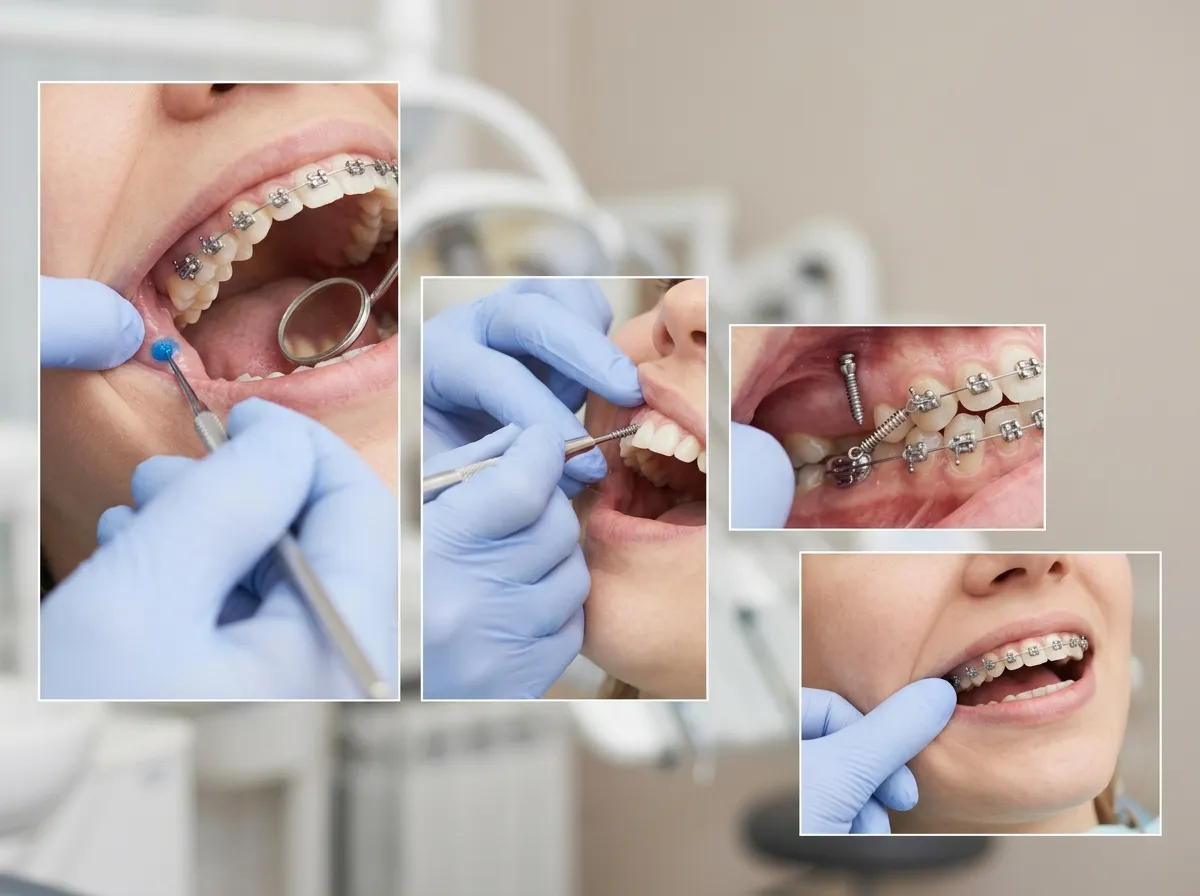
- Consultation and planning: Your orthodontist evaluates your bite, jaw, and tooth positions using advanced imaging. They decide whether a TAD would help your treatment and where to place it.
- Preparation: The area is numbed with a local anesthetic. This is the same kind of numbing used for a filling. Most patients feel very little discomfort.
- Placement: The tiny screw is gently inserted into the jawbone. The whole procedure usually takes just a few minutes. Seriously — it’s that quick!
- Activation: Once placed, your orthodontist attaches elastic chains or springs to the TAD to guide tooth movement. This is where the real work begins.
- Monitoring: You’ll have regular checkups so your orthodontist can track progress and make sure everything is moving as planned.
- Removal: When the treatment goal is reached, the TAD is removed. Removal is usually even simpler than placement and takes only seconds.
Want to see how technology like this is used at a modern orthodontic office? Check out the advanced technology page to learn more about the tools that make precise treatment possible.
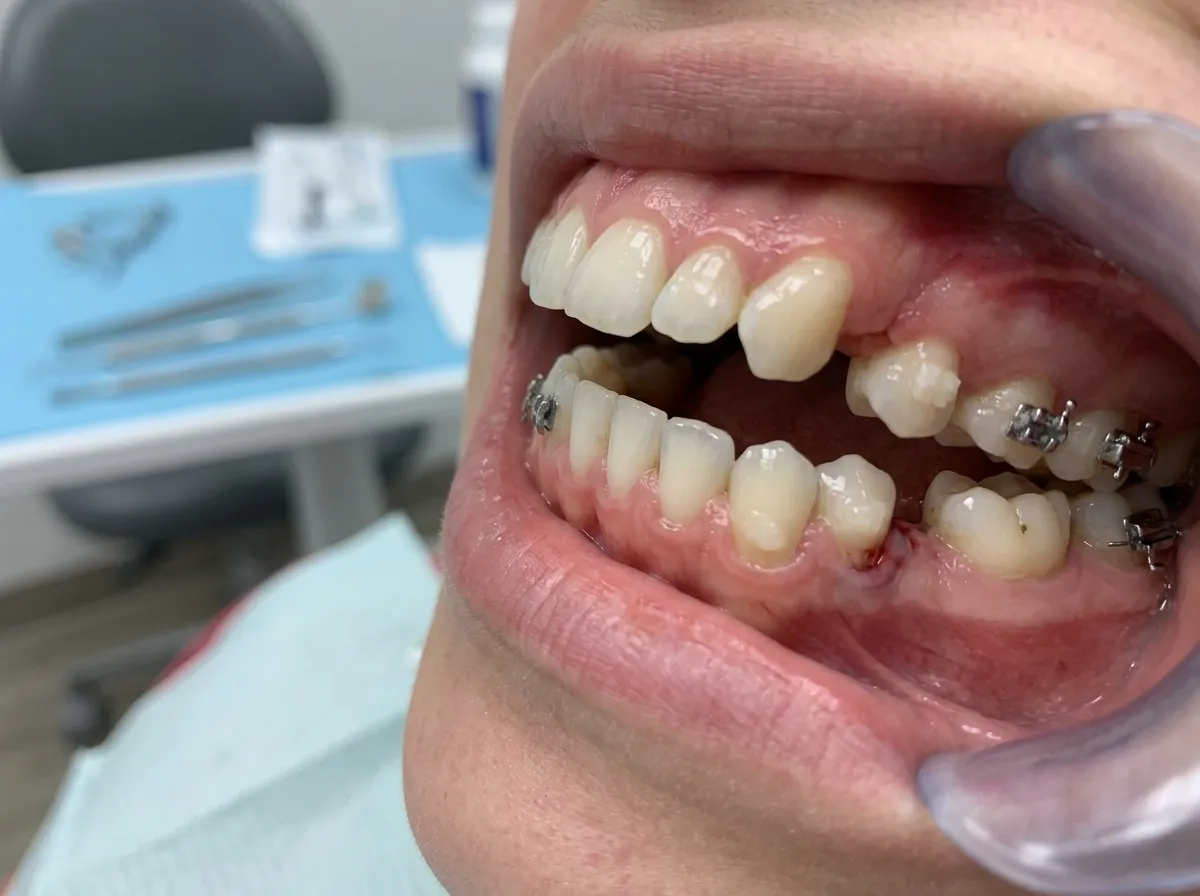
What Problems Can TADs Help Treat?
TADs are especially helpful in cases that would otherwise require extra patient effort — like wearing headgear — or even surgery. Here are some of the most common issues they address:
- Space closure: Moving teeth together after an extraction or a gap.
- Molar distalization: Pushing back molars to create more room in the arch.
- Tooth intrusion: Moving a tooth deeper into the jawbone to correct uneven bite levels.
- Midline correction: Aligning the center of the upper and lower teeth.
- Anterior retraction: Moving front teeth back to close an overjet or protrusion.
- Uprighting molars: Correcting tilted back teeth that can disrupt the bite.
These are movements that can be very difficult to achieve with braces alone. TADs give orthodontists a powerful extra tool to get the job done well. If you’re curious whether your case might benefit, your first visit is the perfect time to ask.
Comparing TADs to Other Anchorage Methods
Before TADs became common, orthodontists relied on headgear or elastics to create anchorage. These methods work, but they depend heavily on patient cooperation. If a patient forgets to wear their headgear or elastics, treatment slows down. TADs change that equation completely.
| Method | Patient Compliance Needed | Visibility | Treatment Precision |
|---|---|---|---|
| Headgear | High (worn daily) | Very visible | Moderate |
| Elastics | High (worn daily) | Somewhat visible | Moderate |
| Temporary Anchorage Devices (TADs) | Low (passive anchorage) | Minimal (inside mouth) | High |
As you can see, TADs require very little daily effort from the patient. Once placed, they work on their own. This is great news for busy teens and adults who want great results without extra daily routines. For teens specifically, check out our guide on the best braces options for teens to see how all these tools work together.
Who Is a Good Candidate for Temporary Anchorage Devices?
TADs aren’t needed for every case, but they shine in certain situations. Here’s a quick look at who tends to benefit the most:
| Patient Profile | Why TADs May Help |
|---|---|
| Adults with complex bites | More control over tooth movement without surgery in some cases |
| Teens who struggle with compliance | TADs work passively, no daily effort required |
| Patients avoiding surgery | TADs can sometimes help borderline surgical cases avoid the OR |
| Patients with missing teeth | TADs help maintain space and guide remaining teeth |
| Patients needing molar movement | Molars are hard to move; TADs make it more achievable |
Adult patients especially can benefit from this option. Research and clinical practice in 2026 confirm that TADs are one of the most reliable tools for complex adult cases. Learn more about what’s possible with adult orthodontic treatment in 2026.
Are Temporary Anchorage Devices Painful?
This is probably the question on everyone’s mind! The honest answer is: placement is usually much less uncomfortable than most people expect. The area is numbed before placement, so you shouldn’t feel the screw going in. Afterward, there may be some mild tenderness for a day or two — similar to soreness after a regular adjustment.
Removal is even easier. Since TADs are designed not to fully integrate with the bone, they come out quickly and with minimal discomfort. Most patients are surprised by how simple it is. If you’d like to know more about managing comfort during orthodontic treatment, our patient resources page has helpful tips and guides.
What Are the Risks or Side Effects?
TADs are generally very safe, but it’s good to know what to watch for. Here’s a simple overview of potential risks:
- Mild soreness: Normal for a day or two after placement or adjustment.
- Infection risk: Very low, especially with proper oral hygiene around the TAD site.
- TAD mobility: In rare cases, a TAD may loosen and need to be repositioned.
- Root contact: Your orthodontist uses imaging to avoid roots, but this is something they carefully watch for.
- Minor bleeding: Possible during placement, but usually minimal and short-lived.
Overall, the success rate for TADs in orthodontic treatment is very high when placed by an experienced orthodontist. Keeping the area clean and attending regular checkups are the best things you can do to support a smooth experience.
Caring for Your Mouth During TAD Treatment
Good hygiene around your TAD is important. Here are the top tips to keep things clean and comfortable:
- Rinse gently: Use a mild saltwater rinse or an alcohol-free mouthwash around the TAD site, especially after meals.
- Brush carefully: Use a soft toothbrush and brush around the TAD without pushing hard on it.
- Avoid sticky foods: Hard or sticky foods can put stress on the TAD and should be avoided.
- Don’t touch it: It can be tempting to wiggle the TAD with your tongue or fingers — try to avoid this!
- Attend your appointments: Regular checkups let your orthodontist make sure the TAD is working correctly and staying stable.
Following these steps makes a big difference in how smoothly your treatment goes. If you have questions between visits, don’t hesitate to reach out to your orthodontic team.
How TADs Compare Across Different Age Groups
| Age Group | Common Use of TADs | Key Benefit |
|---|---|---|
| Children (early treatment) | Less common; usually reserved for specific cases | Can guide jaw and tooth development early |
| Pre-Teens | Used when significant tooth movement is needed | Reduces need for more extensive future treatment |
| Teenagers | Space closure, bite correction, molar movement | Less reliance on daily compliance tools like elastics |
| Adults | Complex bite correction, avoiding surgery | High precision with minimal disruption to lifestyle |
No matter what stage of life you’re in, there may be a case for TADs as part of your treatment plan. Early orthodontic evaluation helps identify whether tools like this could benefit your child down the road. Learn more about early orthodontic treatment options for younger patients.
Why Choose a Board-Certified Orthodontist for TAD Treatment
TAD placement requires training, precision, and experience. A board-certified orthodontist has the advanced knowledge to identify when TADs are appropriate, where to place them safely, and how to use them effectively within your full treatment plan. This isn’t something you want done without specialized expertise.
At Torres Orthodontics, Dr. Rodney Torres brings that level of skill and care to every patient. The team uses digital impressions and 3D treatment planning to make sure every device — including TADs — is placed with maximum precision. You can visit us on Google — Torres Orthodontics Tampa to read real patient reviews and see why families across the Westchase area trust this practice with their smiles. Follow along on Instagram @torresortho and our YouTube channel for patient stories and treatment updates. You can also catch quick tips and behind-the-scenes content on TikTok @torresortho.
If you’ve been told you have a complex case or have been offered headgear as the only option, it’s worth asking whether temporary anchorage devices could be a better fit for your lifestyle and goals. Visit the Why Choose Us page to learn more about the personalized approach at Torres Orthodontics.
Conclusion
Temporary anchorage devices are a game-changer in modern orthodontics. They’re small, smart, and incredibly effective — helping orthodontists move teeth with precision while making treatment easier for patients. Whether you’re a teen who dreads wearing elastics every day, an adult looking to avoid surgery, or a parent wanting the best for your child’s bite, TADs could be part of the answer. The key is working with an experienced orthodontist who knows when and how to use them well. Understanding your options is the first step to a confident, healthy smile.
Ready to find out if temporary anchorage devices are right for you or your child? Schedule your appointment today and let our team create a custom plan for your best smile yet. Your journey to a straighter, healthier smile starts with one easy step — and we’re here to walk it with you!
FAQs
Q: What are temporary anchorage devices in orthodontics?
A: Temporary anchorage devices, or TADs, are tiny titanium mini-screws placed gently into the jawbone during orthodontic treatment. They create a stable anchor point so your orthodontist can move specific teeth with greater precision — and they’re removed once their job is done. Think of them as little helpers that make your treatment more effective!
Q: Are temporary anchorage devices painful to place or remove?
A: Most patients are pleasantly surprised by how comfortable the process is! The area is numbed with a local anesthetic before placement, so you shouldn’t feel much at all. There may be mild soreness for a day or two afterward, and removal is even quicker and easier than placement.
Q: How long do TADs stay in place during treatment?
A: TADs are designed for short- to medium-term use, meaning they stay in place only as long as needed to complete that specific stage of your treatment. Once your orthodontist has achieved the planned tooth movement, the TAD is removed — often in just a matter of seconds!
Q: Can TADs replace headgear or elastics?
A: In many cases, yes! TADs provide passive anchorage, meaning they work on their own without you needing to wear anything extra. This can reduce or even eliminate the need for headgear or daily elastics, making life a lot easier — especially for busy teens and adults.
Q: Who is a good candidate for temporary anchorage devices?
A: TADs are especially helpful for patients with complex bite issues, missing teeth, or difficult tooth movements that are hard to achieve with braces alone. They’re also a great option for anyone who finds it hard to wear headgear or elastics consistently. Your orthodontist will evaluate your specific case to see if TADs are the right fit for your treatment plan.


