Key Takeaways
-
Complex orthodontic cases require braces for better results; choosing aligners based on appearance alone for severe crowding, bite issues, or advanced tooth movements can lead to incomplete outcomes and additional costs.
-
Clear aligners demand 22 hours daily wear compliance to work effectively, making traditional braces a better choice for children, teens, and frequent snackers who may struggle with consistent aligner use.
-
Professional orthodontist evaluation is essential before deciding between options; self-diagnosis or online quizzes cannot account for case complexity, bite problems, and jaw misalignment that require in-person assessment.
-
Treatment times differ significantly: clear aligners average 18 months while braces take about 24 months, though timeline varies based on case complexity and patient compliance with aligner wear schedules.
-
Consider lifestyle factors when choosing: adults in professional settings often prefer discreet aligners, while athletes in contact sports and children with poor compliance may benefit more from fixed braces.
-
Both treatments have similar relapse rates (aligners 12%, braces 10%), making post-treatment retainer wear critical for maintaining results regardless of which option you select.
Choosing between braces and aligners is one of the biggest decisions you’ll make for your smile. And honestly? It can feel overwhelming. Whether you’re a parent researching options for your child or an adult finally ready to fix that crooked tooth, you deserve clear, friendly guidance — not confusing dental jargon. The good news is that both options work beautifully when chosen wisely. The not-so-good news? There are some common mistakes people make when deciding between the two that can cost them time, money, and results. In this guide, we’re breaking down the 5 biggest braces vs aligners mistakes so you can walk into your orthodontist’s office feeling confident and informed. Let’s make sure your smile journey starts on the right foot!
What’s the Real Difference Between Braces and Aligners?
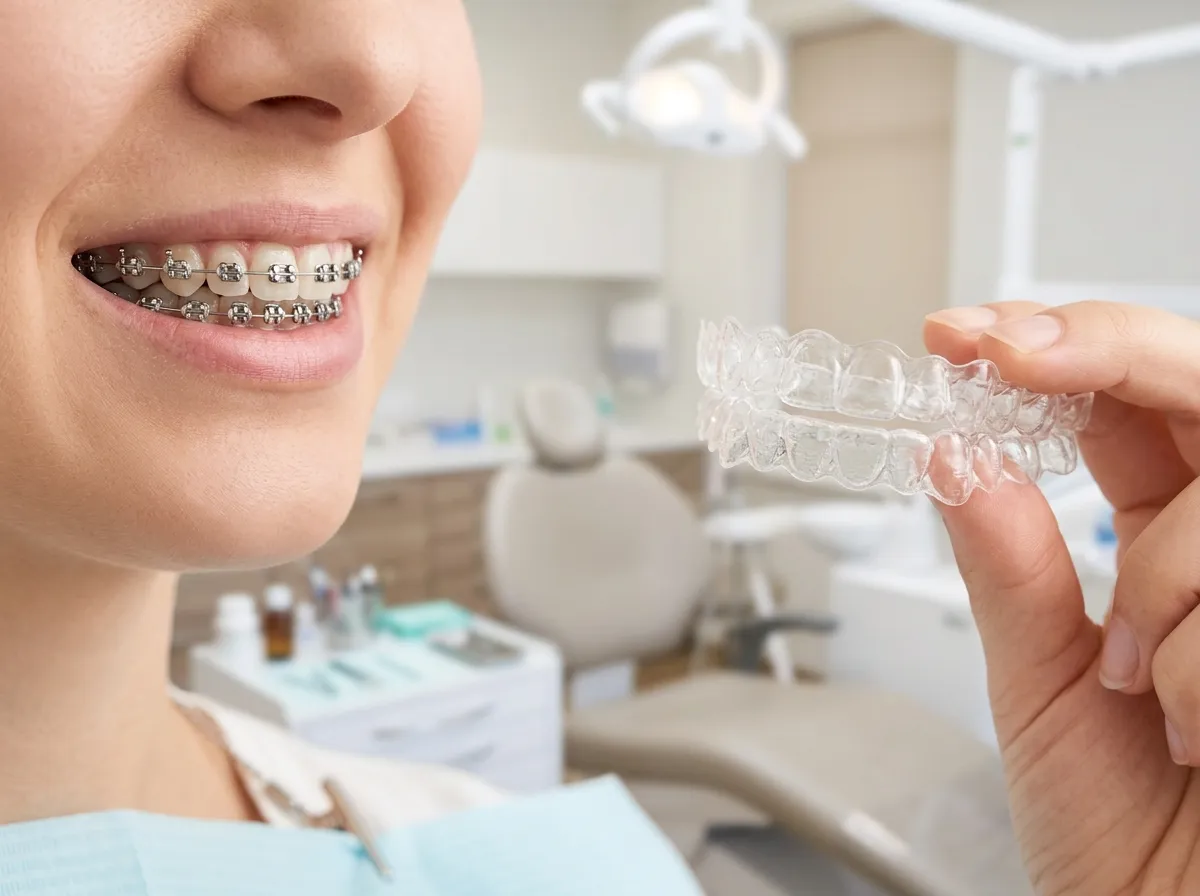
Before diving into mistakes, let’s cover the basics. Traditional braces use metal brackets and wires that are bonded directly to your teeth. They stay on throughout your entire treatment — no taking them off at lunch! Clear aligners, on the other hand, are removable plastic trays that you wear over your teeth. They’re nearly invisible and can be taken out to eat, brush, and floss.
Both options move your teeth into better positions over time. But they do it differently, and they’re each better suited for different situations. Understanding these differences is the first step toward making a smart decision. You can also explore the full details about braces and clear aligners to get a deeper look at each option.
| Feature | Traditional Braces | Clear Aligners |
|---|---|---|
| Visibility | Noticeable metal brackets | Nearly invisible plastic trays |
| Removable? | No — fixed to teeth | Yes — removable as needed |
| Compliance Required | Low (they stay on) | High (20–22 hours/day wear) |
| Best For | Complex cases, all ages | Mild-to-moderate cases, adults/teens |
| Average Treatment Time | ~24 months | ~18 months |

Mistake #1: Choosing Based on Looks Alone
We get it — clear aligners look amazing. They’re discreet, sleek, and practically invisible. It’s tempting to choose them just because they won’t show up in photos. But picking your treatment based purely on aesthetics is a big mistake, especially if your case is more complex.
Braces can handle a wider range of orthodontic problems. This includes severe crowding, significant bite issues like overbites, underbites, and crossbites, and more advanced tooth movements that aligners simply can’t achieve as reliably. A 2024 PMC study actually found that conventional braces had a success rate of about 90%, compared to 88% for clear aligners — a small but meaningful difference when you’re dealing with complex issues.
The right question to ask isn’t “Which looks better?” It’s “Which will actually fix my smile best?” Your orthodontist will evaluate your unique case and recommend what’s clinically appropriate. If you’re curious about all available options, check out the types of braces and Invisalign treatment options available at Torres Orthodontics.

Mistake #2: Ignoring the Compliance Factor
Here’s a truth nobody loves to hear: clear aligners only work if you actually wear them. The American Association of Orthodontists recommends wearing aligners for at least 22 hours per day. That means they’re only out when you’re eating or brushing your teeth — not during Netflix marathons, long meetings, or when they feel slightly uncomfortable.
Braces, on the other hand, don’t require any compliance at all. They’re fixed to your teeth and working 24/7 whether you think about them or not. This makes braces a fantastic option for younger patients, especially kids and teens, who might be tempted to leave their aligners on the bathroom counter.
Ask yourself honestly: Will I (or my child) wear these consistently every single day? If the honest answer is “probably not,” braces might be the smarter choice. For teens specifically, check out adolescent treatment options and the best braces options for teens to see what fits your family’s lifestyle.
Who Tends to Struggle With Aligner Compliance?
- Younger children and pre-teens who may forget or lose their trays
- Busy teens with active social and athletic schedules
- Patients who snack frequently throughout the day
- Anyone who finds the trays uncomfortable and is tempted to skip wearing them
- Patients prone to misplacing small items
Mistake #3: Underestimating Case Complexity
Not all orthodontic problems are created equal. Some cases are straightforward — minor crowding or small spacing gaps that aligners can handle with ease. But other cases involve bite problems, rotated teeth, significant crowding, or jaw misalignment that requires more precise control.
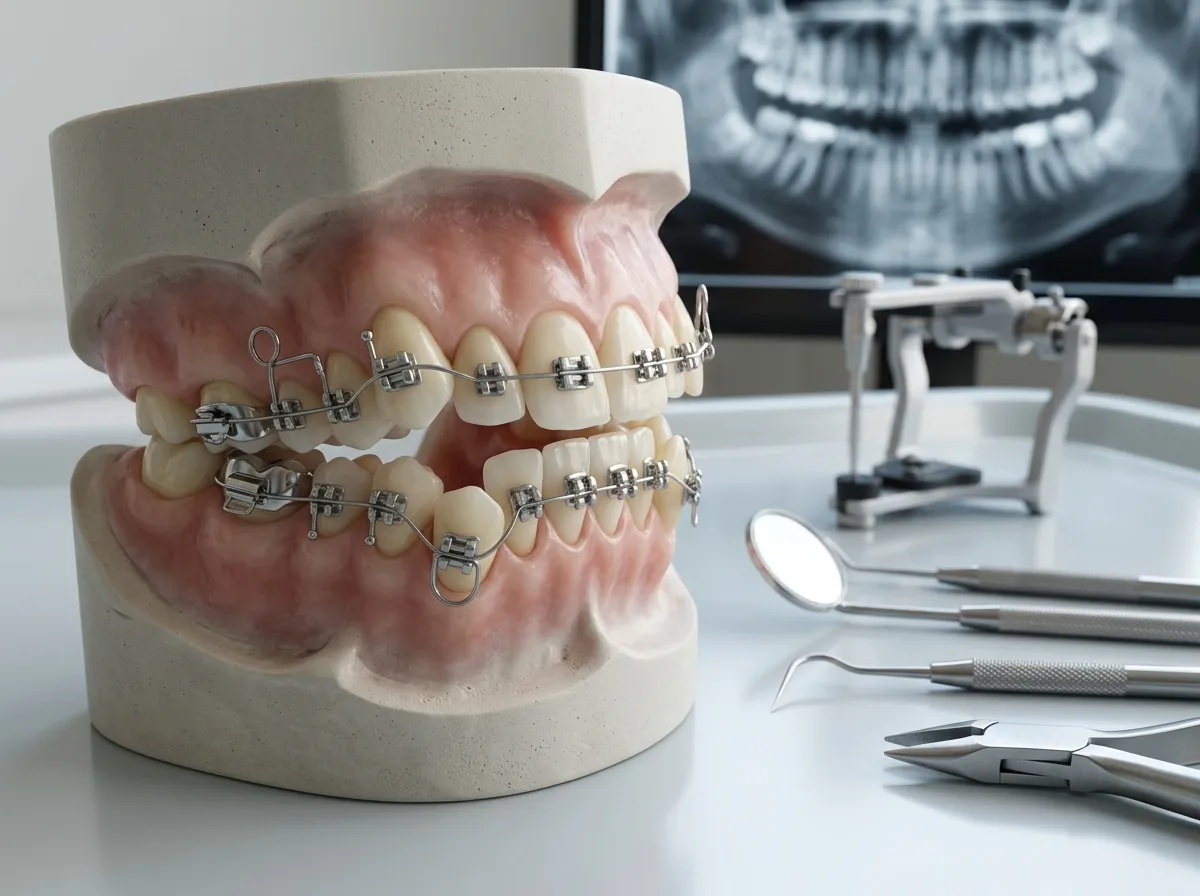
Braces give your orthodontist more direct control over the direction and force applied to each tooth. This is especially important for complex rotations, vertical tooth movements, and bite corrections. Choosing aligners for a case that truly needs braces can lead to incomplete results — and that means more time and money spent fixing the problem later.
This is why an in-person evaluation with a board-certified orthodontist is so important. Don’t rely on online quizzes or self-diagnosis. The common orthodontic treatments page at Torres Orthodontics gives a helpful overview of what different issues look like and how they’re treated. You can also learn what to expect at your first visit so you walk in prepared.
| Orthodontic Issue | Best Option | Why |
|---|---|---|
| Mild crowding | Either braces or aligners | Both handle this effectively |
| Moderate spacing | Either braces or aligners | Both close gaps well |
| Severe overbite/underbite | Braces (usually) | More precise bite correction |
| Crossbite | Braces (usually) | Complex movement control needed |
| Mild-to-moderate misalignment | Clear aligners | Effective for simpler movements |
Mistake #4: Not Thinking About Lifestyle and Age
Your lifestyle matters more than you might think when choosing between braces and aligners. Are you a teenager who plays contact sports? A working adult who attends client meetings? A parent of a young child who’s just starting orthodontic treatment? Each situation calls for a thoughtful approach.
Adults often love clear aligners because they can straighten their teeth discreetly without drawing attention at work or social events. If you’re an adult considering treatment, the adult orthodontics page is a great starting point. You can also read about why so many adults are getting braces in 2026 — you might be surprised by what you find!
For kids and young teens, early treatment can prevent bigger problems down the road. The early orthodontic treatment page explains when children should start their orthodontic journey and what to expect. Parents in Miami Lakes can also visit us on Google — Torres Orthodontics Miami Lakes to read real patient reviews and learn more about our welcoming office.
Lifestyle Factors to Consider Before Choosing
- Your job or school environment: Adults in professional settings often prefer the discretion of clear aligners.
- Your diet and snacking habits: Frequent snackers may struggle with the compliance demands of aligners.
- Sports and activities: Athletes in contact sports may need a mouthguard that works with their treatment.
- Your oral hygiene routine: Braces require careful cleaning around brackets; aligners allow for easier brushing and flossing.
- Your child’s maturity level: Younger patients often do better with fixed braces that don’t require daily management.
Mistake #5: Making the Decision Without a Professional Evaluation
This is the biggest mistake of all. Many people try to make the braces vs aligners decision on their own — scrolling through social media, watching videos, or comparing prices online. But orthodontic treatment is deeply personal. What works for your neighbor, your coworker, or that influencer you follow may not be right for your smile.
A board-certified orthodontist will take X-rays, evaluate your bite, assess your bone structure, and create a personalized treatment plan designed specifically for your mouth. They consider everything — your age, the complexity of your case, your lifestyle, and your long-term goals. This professional guidance is what separates a great outcome from a disappointing one.
At Torres Orthodontics, Dr. Rodney Torres and his team use advanced digital technology, including 3D treatment planning and digital impressions, to map out your smile transformation with precision and care. You can even browse before and after results from real patients to see what’s possible. Follow along on Instagram @torresortho for smile transformations and patient stories, or check out Torres Orthodontics on YouTube for helpful educational videos about both braces and aligner treatment.
What to Expect at Your Orthodontic Consultation
- A full smile exam: Your orthodontist will evaluate your teeth, bite, and jaw alignment.
- Digital imaging: X-rays or 3D scans help map out the best treatment approach.
- Treatment options review: Your orthodontist will explain which options are appropriate for your case.
- Cost and timeline discussion: You’ll get a clear picture of what treatment will involve and how long it will take.
- Your questions answered: This is your chance to ask everything — no question is too small!
A Quick Look at Treatment Times and Outcomes
One of the most common questions people ask is: which is faster, braces or aligners? According to a 2024 PMC study, clear aligners averaged about 18 months of treatment time, while traditional braces averaged about 24 months. That said, treatment time varies widely based on case complexity and patient compliance.
It’s also worth noting that both treatments have similar relapse rates — about 12% for aligners and 10% for braces, with no statistically significant difference. This is why wearing your orthodontic retainer after treatment is so critical. No matter which path you choose, keeping your results long-term requires follow-through. Read more about what retainers do after braces or aligners to understand why this step matters so much.
| Outcome Metric | Braces | Clear Aligners |
|---|---|---|
| Average Treatment Time | ~24 months | ~18 months |
| Success Rate | ~90% | ~88% |
| Relapse Rate | ~10% | ~12% |
| Requires Daily Compliance | No | Yes (22 hrs/day) |
Tips for Families in Miami Lakes and Surrounding Areas
If you’re a family in the Miami Lakes area trying to figure out the best orthodontic option, you’re in great hands locally. Torres Orthodontics serves patients of all ages across multiple Florida locations, offering personalized care in a warm, welcoming environment that families love. Whether you’re bringing in a young child for an early evaluation or finally taking the leap as an adult, the team is here for every step.
Understanding insurance and financing options is also a key part of the decision. Torres Orthodontics accepts most major PPO dental insurance plans and also offers flexible monthly payment plans — because great smiles should be accessible to everyone. Treatment typically ranges from $3,000 to $6,000 depending on the option you choose. You can also explore helpful resources like a complete braces cost breakdown or how much Invisalign costs in 2026 to help plan your budget.
- Schedule a free smile exam to get a professional evaluation before deciding
- Ask your orthodontist which option is best suited for your specific case
- Consider your (or your child’s) lifestyle and compliance ability honestly
- Review financing options so cost doesn’t become a barrier to great care
- Stay consistent with retainer wear after treatment to protect your results
- Follow up regularly with your orthodontist throughout treatment
You can also connect with the Torres Orthodontics community on Facebook @torresortho for tips, updates, and smiles from real patients just like you.
Your Smile Journey Starts Here
The braces vs aligners debate doesn’t have to be stressful. Both are excellent treatment options that can deliver beautiful, lasting results — when chosen correctly for the right patient. The key is avoiding the common mistakes: don’t choose based on looks alone, don’t underestimate compliance demands, don’t skip the professional evaluation, and don’t overlook how your lifestyle and case complexity fit into the equation.
Whether you’re a parent researching options for your kids, a teen ready to transform your smile, or an adult finally making that move toward straighter teeth, Torres Orthodontics is here to guide you every step of the way. With Dr. Rodney Torres’s expertise and a team that genuinely cares, you’ll always feel supported, informed, and excited about your smile journey.
Ready to find out which option is right for you? Take the first step today and schedule your personalized appointment with our team. A confident, beautiful smile is closer than you think — and we can’t wait to help you get there!
FAQs
Q: Are braces or aligners better for my teeth?
A: There’s no one-size-fits-all answer here — it really depends on your unique smile! Braces are typically better for complex orthodontic issues like severe crowding or significant bite problems, while clear aligners work wonderfully for mild-to-moderate cases. The best way to find out is to schedule a free consultation with an orthodontist who can evaluate your specific needs.
Q: Which works faster: braces or clear aligners?
A: According to a 2024 PMC study, clear aligners averaged about 18 months of treatment time compared to 24 months for traditional braces — but this can vary a lot depending on your case complexity and how consistently you wear your aligners. Your orthodontist will give you a realistic timeline based on your individual treatment plan.
Q: How long do you need to wear clear aligners each day?
A: The American Association of Orthodontists recommends wearing clear aligners for at least 22 hours per day for the best results. That means they should only come out when you’re eating, drinking anything other than water, or brushing your teeth. Consistency is the secret ingredient to a successful aligner treatment!
Q: Can aligners fix an overbite, underbite, or crossbite?
A: Clear aligners can address some bite issues, especially mild-to-moderate cases, but braces often provide more precise control for correcting significant overbites, underbites, and crossbites. Your orthodontist will assess your bite during your consultation and recommend the most effective treatment for your situation.
Q: How much do braces vs aligners cost?
A: Both options typically fall within a similar price range — at Torres Orthodontics, treatment generally ranges from $3,000 to $6,000 depending on the type and complexity of care needed. Financing plans, insurance, and Medicaid acceptance can all help make treatment more affordable, so don’t let cost be the reason you wait on your smile!


