Key Takeaways
-
Invisalign requires wearing aligners 20-22 hours daily for effectiveness; wearing them less significantly slows progress and undermines treatment success.
-
Treatment typically takes 12-18 months and costs $3,000-$5,000 in the U.S., with many PPO insurance plans covering a portion and flexible financing options available.
-
Invisalign works well for mild to moderate issues like crowding and spacing but may be ineffective for severe bite problems, which respond better to traditional braces.
-
The modern treatment process uses 3D digital scanning instead of messy impressions, creating a custom treatment plan that shows exactly how teeth will move throughout treatment.
-
After treatment ends, you must wear a retainer full-time initially, then nightly long-term, because teeth naturally shift back especially in the months following aligner completion.
-
Clear aligners are ideal for adults, older teens, and responsible patients with good oral hygiene who can commit to daily wear; younger children typically need other orthodontic appliances.
Thinking about straightening your teeth without the look of metal braces? You’re not alone. In 2026, more people than ever are choosing Invisalign clear aligners as their go-to solution for a straighter, healthier smile. Whether you’re a teen heading back to school, an adult wanting a discreet option, or a parent exploring choices for your child, this guide breaks it all down in plain, simple terms.
Clear aligner treatment has changed a lot over the years. It’s more advanced, more accessible, and more effective than ever before. Let’s walk through exactly how it works, what to expect, and whether it might be the right fit for you or your family.
What Are Invisalign Clear Aligners?
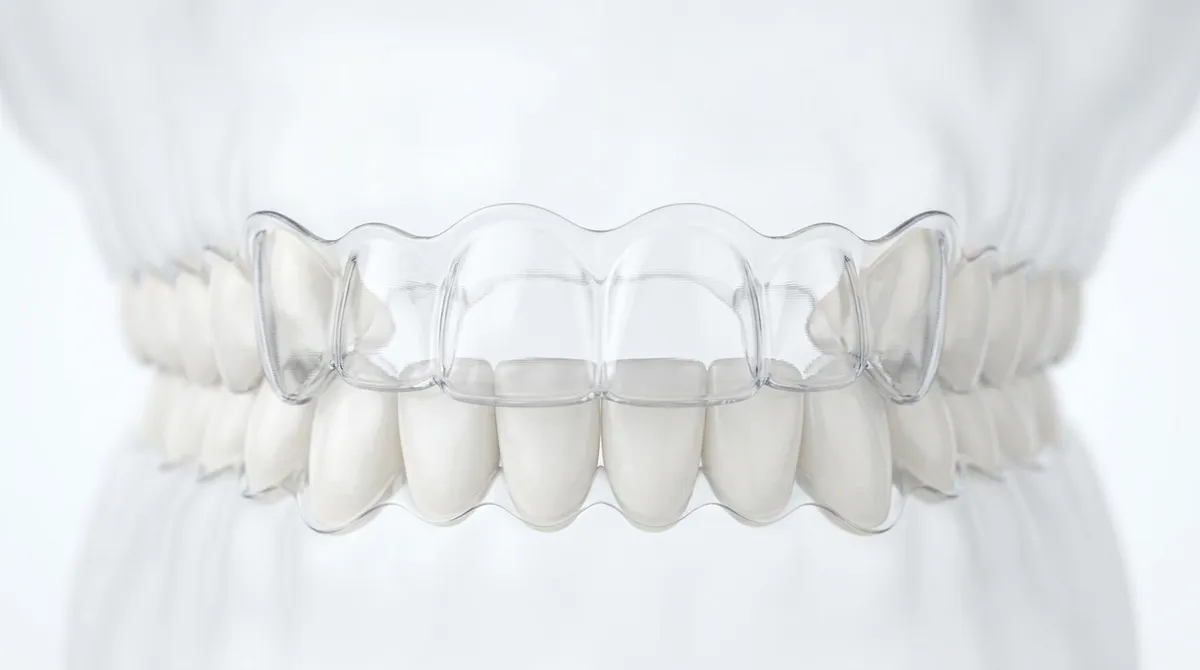
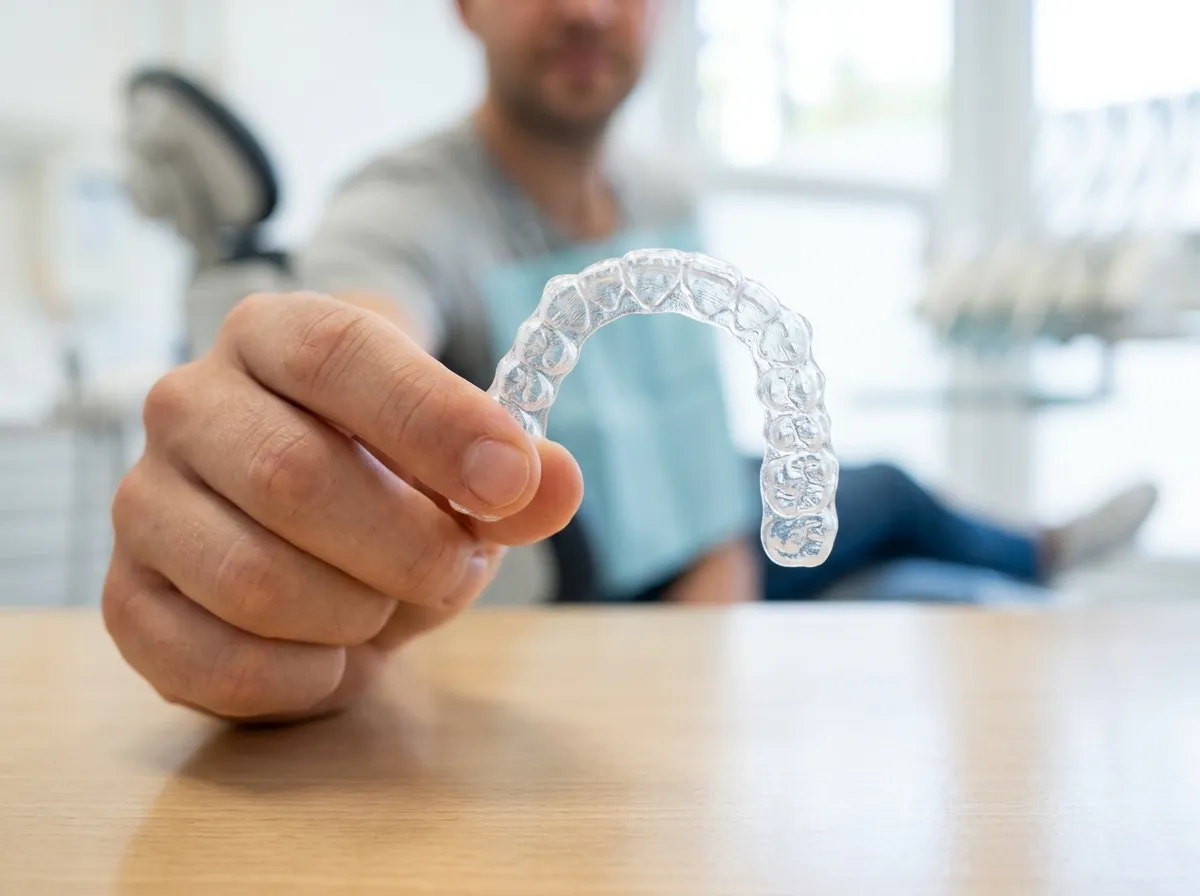
Invisalign is a brand of clear aligners made by a company called Align Technology. The term “Invisalign” is so well-known that many people use it to describe any type of clear aligner treatment. These are custom-made, transparent plastic trays that fit snugly over your teeth and gently shift them into a better position over time.
Each set of trays is slightly different from the last. You swap them out every one to two weeks. Over the course of treatment, your teeth gradually move to where they should be. It’s a slow, steady process — but it works.
If you’d like to explore your clear aligner options in detail, that’s always a great starting point before your first visit.
How Does the Treatment Process Work?
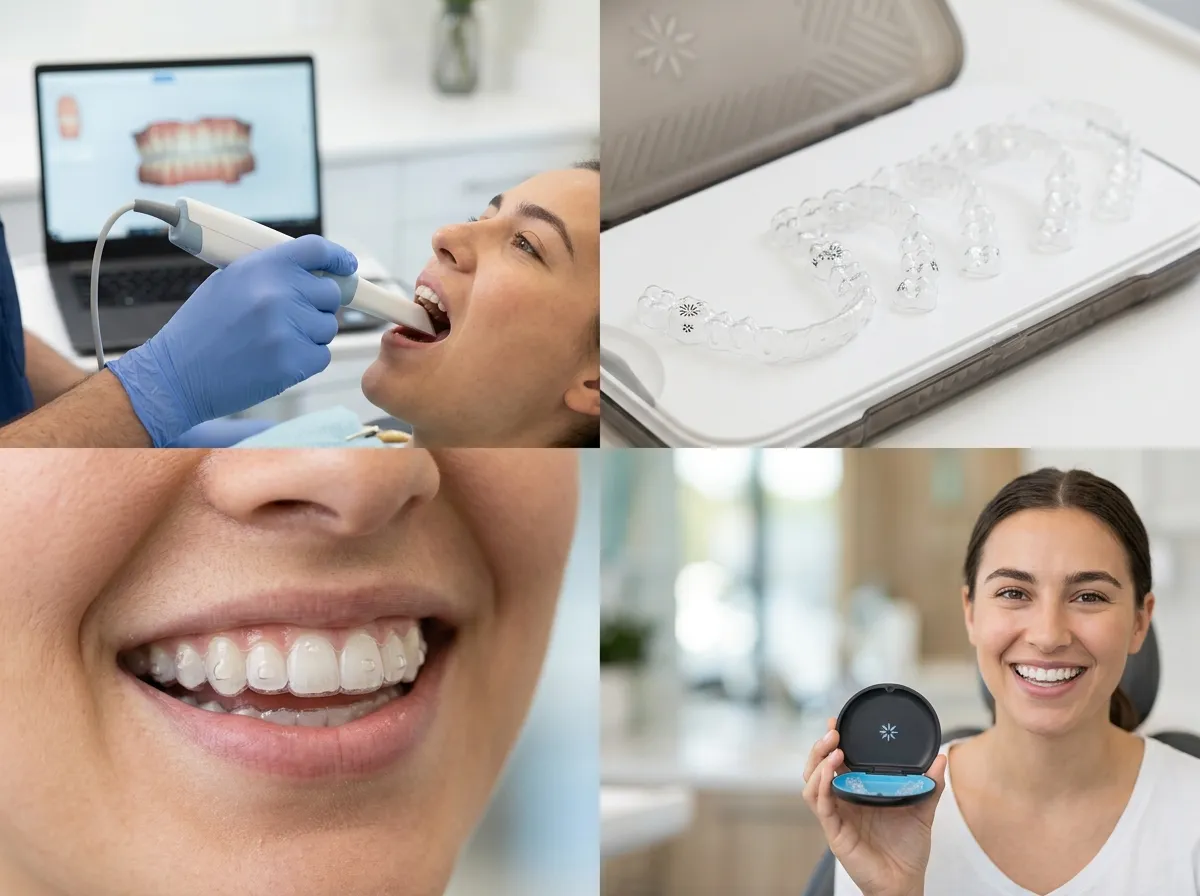
Here’s a step-by-step look at what Invisalign treatment typically involves from start to finish:
- Initial Consultation: Your orthodontist evaluates your teeth, bite, and jaw to determine if clear aligners are a good fit for your needs.
- 3D Digital Scan: Instead of messy impressions, most offices now use digital scanners to create a precise 3D model of your mouth.
- Custom Treatment Plan: Using advanced software, your orthodontist maps out exactly how your teeth will move throughout the entire treatment.
- Aligner Fabrication: Your custom trays are made and shipped to your orthodontist’s office, ready for pickup.
- Wearing Your Aligners: You wear each set for about one to two weeks, 20 to 22 hours per day. You remove them only to eat, drink, brush, and floss.
- Progress Check-Ins: You visit your orthodontist periodically to make sure everything is on track.
- Retainers After Treatment: Once your teeth are in their final position, you’ll wear a retainer to keep them there.
The use of advanced technology like 3D scanning makes the whole process faster, more comfortable, and more precise than older methods.
What Dental Problems Can Invisalign Treat?
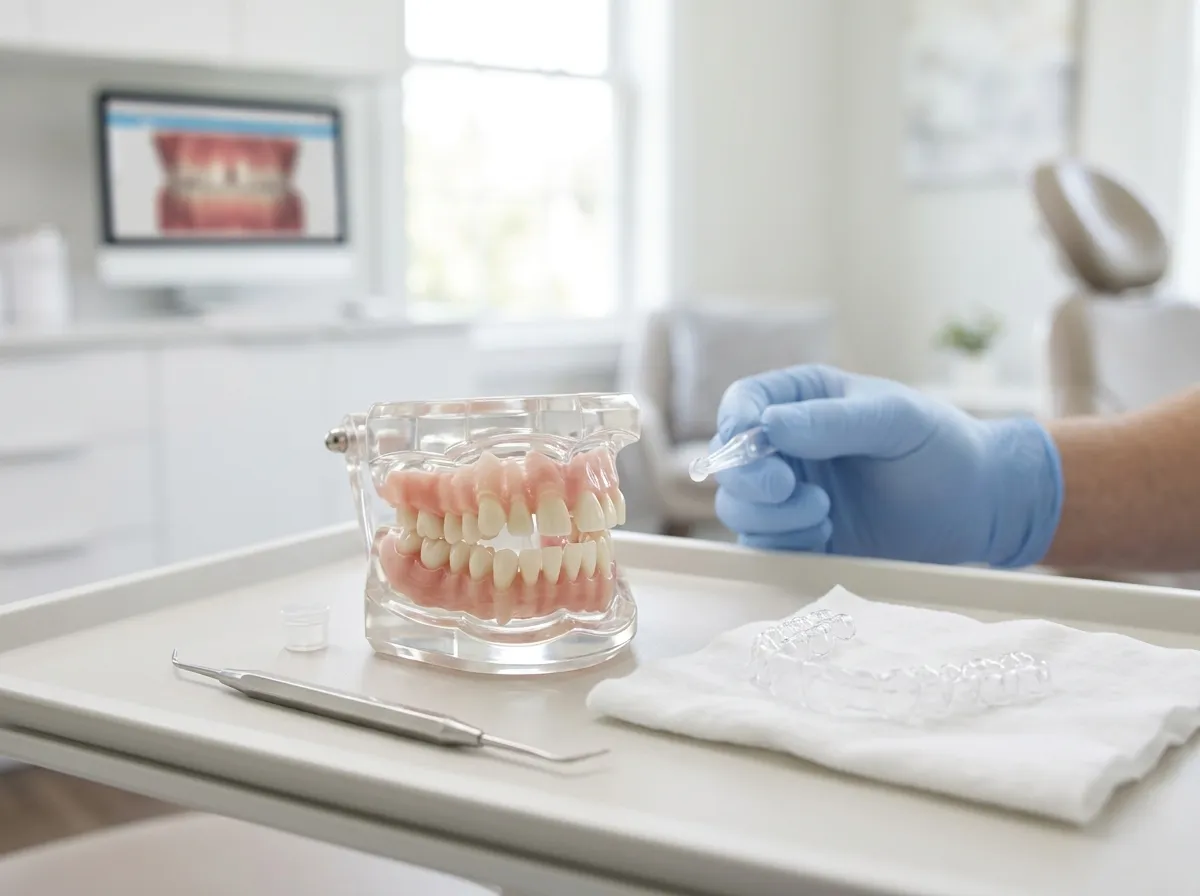
Clear aligners can address a wide range of common orthodontic issues. Here’s a quick look at what they can and can’t do:
| Condition | Can Invisalign Help? | Notes |
|---|---|---|
| Mild to Moderate Crowding | Yes | Very common use case |
| Spacing Between Teeth | Yes | Works well for most spacing issues |
| Overbite | Often Yes | Depends on severity |
| Underbite | Sometimes | Mild cases may qualify |
| Crossbite | Often Yes | Case-by-case evaluation needed |
| Severe Bite Problems | Usually No | Braces may be more effective |
| Relapse After Braces | Yes | Great option for minor corrections |
Not sure which treatment fits your situation? You can learn more about common orthodontic treatments to compare your options side by side.
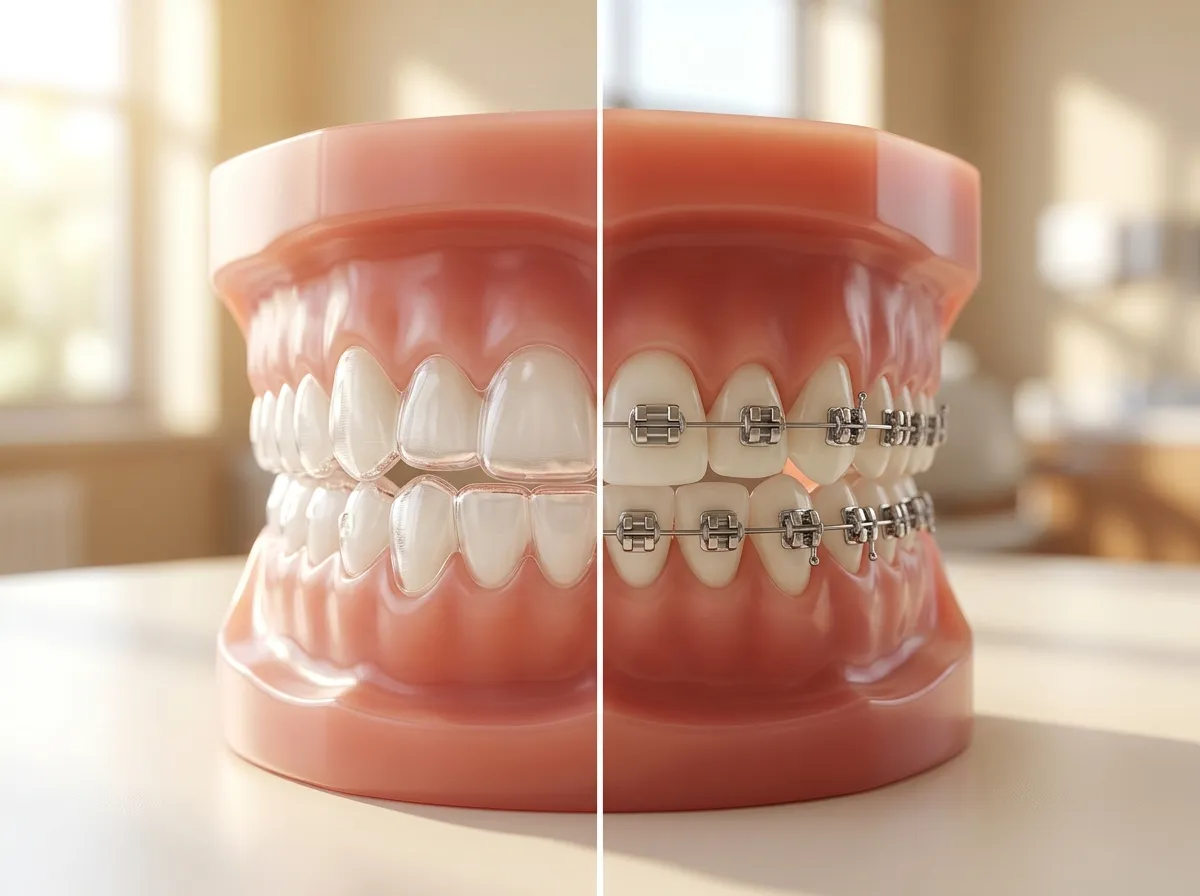
Invisalign vs. Braces: A Simple Comparison
One of the most common questions people ask is: “Which is better — aligners or braces?” The honest answer is that it depends on your specific needs. Here’s a helpful side-by-side look:
| Feature | Invisalign Clear Aligners | Traditional Braces |
|---|---|---|
| Visibility | Nearly invisible | Clearly visible |
| Removable | Yes | No |
| Eating Restrictions | None (remove to eat) | Several foods to avoid |
| Oral Hygiene | Easier to brush and floss | Requires extra care around brackets |
| Complex Cases | Limited effectiveness | Better for severe issues |
| Comfort | Generally more comfortable | May cause more irritation initially |
| Patient Compliance | Required (must wear 20–22 hrs/day) | Always in place |
If you’re weighing both paths, our article on 5 braces vs aligners mistakes that cost you your smile is a must-read before making your decision.
Who Is a Good Candidate for Invisalign?
Clear aligners work great for many people — but not everyone. Here’s who tends to benefit most:
- Adults and older teens who want a discreet, low-profile option
- Patients with mild to moderate alignment issues like crowding or gaps
- People with good oral hygiene habits who can keep trays clean
- Responsible wearers who can commit to 20–22 hours of wear per day
- Anyone relapsing after previous orthodontic treatment who needs minor corrections
Teenagers can absolutely use clear aligners, too. In fact, there are versions of Invisalign made specifically for teens. Learn more about adolescent orthodontic treatment and what options make the most sense during those growing years.
For younger children, though, clear aligners are usually not the first choice. Early orthodontic treatment for kids typically involves other appliances better suited for their developing teeth and jaw.
How Long Does Treatment Take and What Does It Cost?
Treatment time and cost are two of the biggest things people want to know. Here’s a quick breakdown:
| Factor | Typical Range |
|---|---|
| Treatment Duration | 12 to 18 months (complex cases may take longer) |
| Average U.S. Cost | $3,000 to $5,000 depending on case complexity |
| Torres Orthodontics Pricing | Generally $3,000 to $6,000 based on case needs |
| Insurance Coverage | Many PPO plans cover a portion of clear aligner treatment |
| Financing Options | Monthly payment plans available |
Want a deeper look at the numbers? Check out our guide on how much Invisalign treatment costs in 2026 for a full breakdown. You can also explore insurance and financing options to find a payment plan that works for your budget.
Tips for Getting the Best Results from Your Aligners
The biggest factor in your success with Invisalign clear aligners? How consistently you wear them. Here are some simple habits that make a big difference:
- Wear them 20–22 hours daily. This is non-negotiable. Wearing them less slows down your progress significantly.
- Always remove them before eating or drinking anything other than water. Food and drinks (especially hot ones) can stain or warp your trays.
- Clean your aligners every day. Rinse them with cool water and use a soft brush to keep them clear and fresh.
- Keep your teeth clean before reinserting trays. Brush and floss after every meal to avoid trapping bacteria underneath the plastic.
- Store them in their case when not in use. Misplaced aligners are a common and costly problem!
Compliance is truly the key to success. Unlike braces, which are fixed to your teeth, aligners only work when you’re actually wearing them. The good news? Most patients find them comfortable enough that sticking to the routine becomes second nature pretty quickly.
What Happens After Invisalign Treatment?
Once your teeth have moved into their ideal positions, the work isn’t quite done yet. You’ll need to wear a retainer to keep everything in place. Teeth have a natural tendency to shift back, especially in the months right after treatment ends.
Retainers are usually worn full-time at first, then just at night as time goes on. Want to know more about this important step? Read our article on what retainers do after braces or aligners to understand why this phase matters so much.
You can also explore more about orthodontic retainers directly on our website to learn about the different types available.
Why Choose Torres Orthodontics for Clear Aligner Treatment?
At Torres Orthodontics, Dr. Rodney Torres and his team take a genuinely personalized approach to every smile. They use digital impressions and 3D treatment planning to make your experience faster, more comfortable, and more precise. There are no messy molds, no guessing — just clear, customized care from start to finish.
Patients across Tampa, Miami Lakes, and Boca Raton have shared how much they appreciate the warm, welcoming atmosphere and the team’s commitment to open communication. It truly feels different from the moment you walk in the door. You can visit us on Google — Torres Orthodontics Tampa to read real reviews from real patients in the community.
Follow along with patient stories and smile transformations on Instagram @torresortho or check out helpful videos on the Torres Orthodontics YouTube channel. You can also stay connected through Facebook for updates, tips, and community highlights.
If you’re an adult considering your options, our guide on adult orthodontics explains how clear aligners fit into treatment for grown-up smiles. And if you’d love to see real results first, browse our before and after gallery to see what’s possible.
Ready to Start Your Invisalign Journey?
Invisalign clear aligners have helped more than 14 million patients worldwide achieve straighter, healthier smiles — and that number keeps growing every year. The technology is impressive, the results speak for themselves, and the process is more comfortable and convenient than ever before.
Whether you’re just starting to explore your options or you’re ready to take the next step, we’d love to help. Your first visit includes a free smile exam so you can get expert guidance with zero pressure. It’s the easiest first step you’ll ever take toward a smile you love.
Don’t wait to get the smile you deserve — schedule your free consultation with Torres Orthodontics today and let’s talk about what Invisalign can do for you.
FAQs
Q: How many hours a day do I need to wear Invisalign aligners?
A: You’ll need to wear your Invisalign clear aligners for about 20 to 22 hours every day to get the best results. You only take them out to eat, drink (anything other than water), brush, and floss — pretty easy to work into your daily routine once you get the hang of it!
Q: Does Invisalign treatment hurt?
A: Most patients experience mild pressure or discomfort when they switch to a new set of trays — that’s actually a good sign that your teeth are moving! It usually fades within a day or two, and many people find clear aligners more comfortable overall than traditional braces.
Q: Can Invisalign fix severe bite problems?
A: Invisalign works really well for mild to moderate issues like crowding, spacing, and some bite corrections. However, complex cases involving severe bite misalignment may respond better to traditional braces or a combination of both. Your orthodontist will let you know exactly which option fits your needs.
Q: How long does Invisalign treatment usually take?
A: Most patients complete their Invisalign treatment in 12 to 18 months, though your timeline depends on how complex your case is and how consistently you wear your aligners. Your orthodontist will give you a personalized estimate after your initial exam.
Q: How much do Invisalign clear aligners cost?
A: In the U.S., Invisalign treatment typically ranges from $3,000 to $5,000, though costs can vary based on case complexity and your location. At Torres Orthodontics, treatment generally falls between $3,000 and $6,000, and flexible payment plans plus insurance coverage can make it very manageable for most families.


