Key Takeaways
-
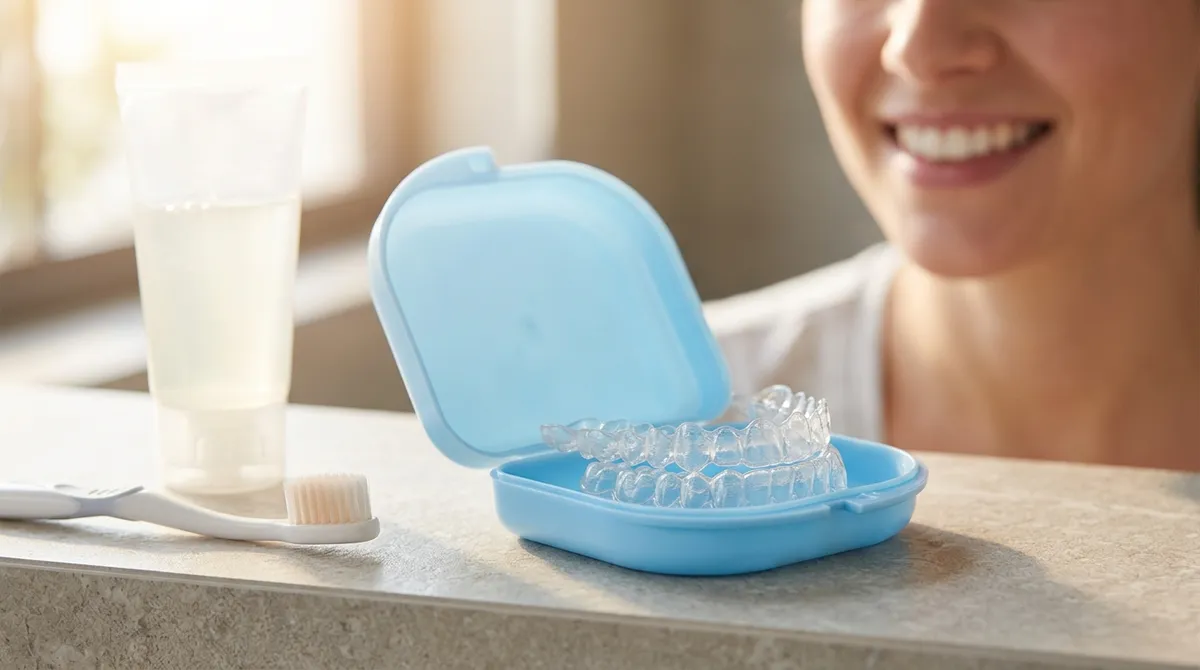
Teeth naturally drift back to original positions within weeks of braces removal without consistent retainer wear—this process called orthodontic relapse requires full-time retainer use for the first 4-6 months to stabilize surrounding tissue.
-
Most orthodontists recommend wearing retainers every night indefinitely to prevent long-term relapse, with initial full-time wear transitioning to nighttime-only after 6-12 months depending on individual cases.
-
Clear plastic retainers are nearly invisible but can warp with heat, while Hawley wire retainers are more durable but visible; many patients benefit from combining fixed retainers on lower teeth with removable ones on top.
-
Never use hot water on retainers as it warps clear plastic, and always store them in cases rather than napkins to prevent accidental disposal—proper cleaning requires mild soap and soft brushes, never abrasive toothpaste.
-
Removable retainers typically last 1-3 years before needing replacement; contact your orthodontist immediately if your retainer feels tight, cracks, or develops odor despite cleaning, as these indicate structural damage or teeth shifting.
-
Set daily phone reminders and establish consistent storage locations for retainer cases to build lasting habits, especially for younger patients who should report any changes in fit to parents or guardians without delay.
You did it! Your braces are off, and your smile looks amazing. But here’s something many patients don’t realize: your orthodontic journey isn’t quite over yet. Retainers after braces are the final — and one of the most important — steps of your treatment. They protect all the hard work you and your orthodontist put into creating that beautiful smile.
Whether you’re a teenager who just got your braces off, a parent guiding your child through post-treatment care, or an adult who completed orthodontic treatment, this guide is for you. We’ll walk you through everything you need to know about retainers — from how they work to how to clean and care for them every day. Let’s make sure that smile stays perfect for years to come!

Why Retainers After Braces Are So Important
Your teeth don’t just stop moving the moment your braces come off. In fact, teeth have a natural tendency to drift back toward their original positions. This is called orthodontic relapse, and it can start happening within just a few weeks of removing your braces if you’re not wearing a retainer.
Here’s why this happens: your gums, bone, and surrounding tissue need time to fully stabilize around your newly positioned teeth. A retainer holds everything in place while that process happens. Think of it like drying cement — it needs time to set before it’s truly solid. You can learn more about what retainers do after braces or aligners on the Torres Orthodontics blog.
The good news? Wearing your retainer consistently is simple and easy once you make it a habit. And it’s absolutely worth it to protect the smile you worked so hard to achieve.
Types of Retainers After Braces
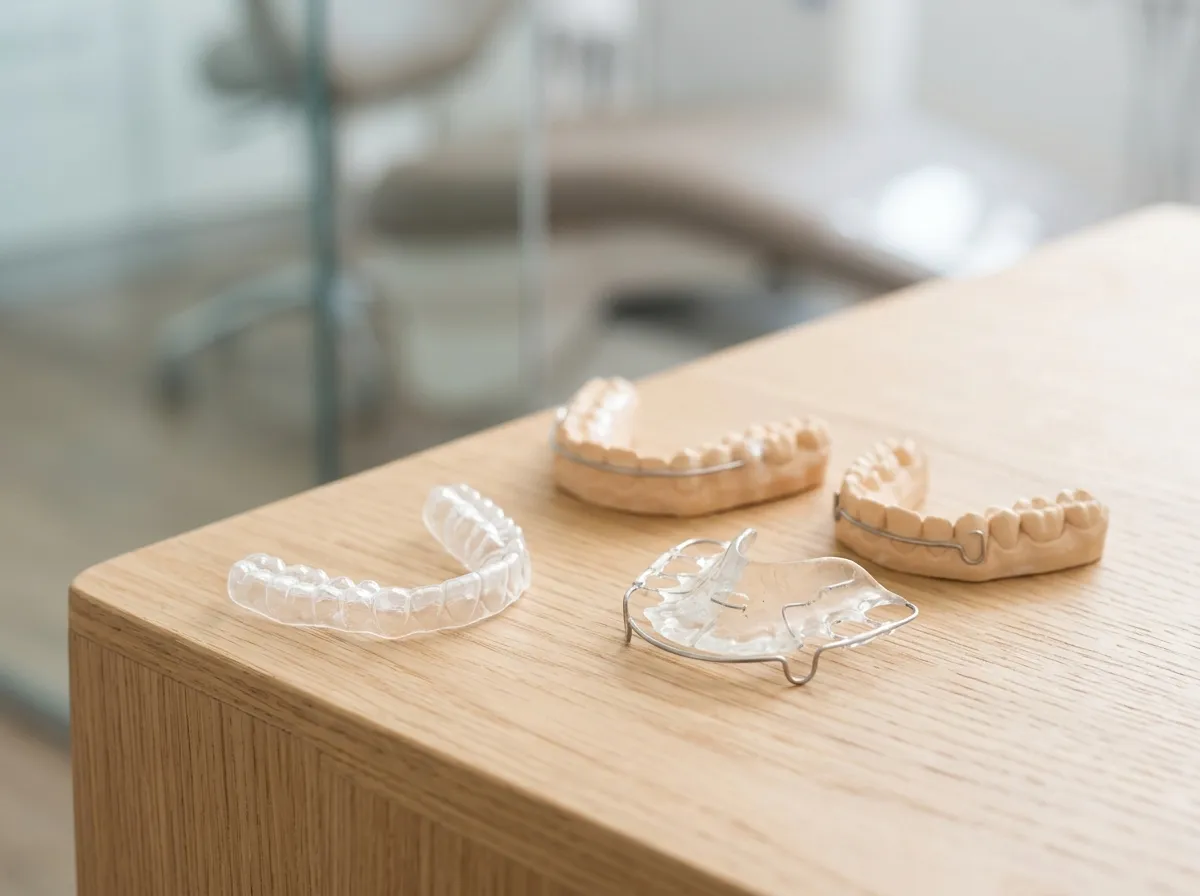
Not all retainers are the same. Your orthodontist will recommend the best type based on your specific needs, bite, and lifestyle. Here’s a breakdown of the most common options:
| Retainer Type | How It Works | Best For | Pros | Cons |
|---|---|---|---|---|
| Clear Plastic Retainer | Custom-fit tray worn over teeth | Most patients, teens, adults | Nearly invisible, comfortable | Can warp with heat, needs daily cleaning |
| Acrylic-and-Wire (Hawley) Retainer | Wire sits across front teeth with acrylic base | Patients needing more durability | Durable, adjustable | More visible, may affect speech initially |
| Fixed (Bonded) Retainer | Thin wire bonded behind teeth permanently | Lower front teeth, high-relapse risk | No compliance needed, always working | Harder to clean, requires dental visits to remove |
Many patients use a combination — for example, a fixed retainer on the bottom teeth and a clear removable retainer on top. Your orthodontist will guide you on what’s right for your unique smile. Check out the common treatments page to learn more about orthodontic options available to you.
How Long Do You Need to Wear Retainers After Braces?
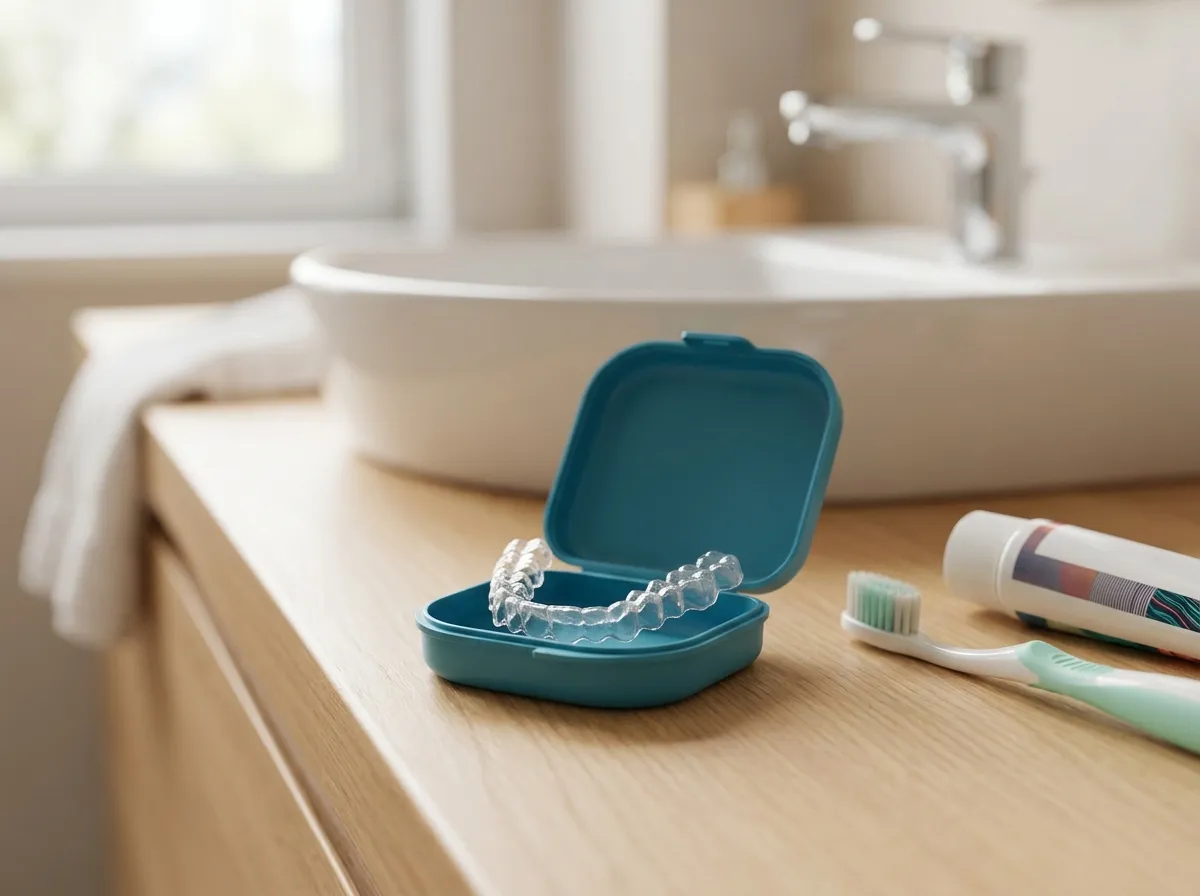
This is one of the most common questions patients ask after getting their braces off. The honest answer? It depends on your individual case — but here’s a general timeline most orthodontists follow:
- First 4 to 6 months: Wear your retainer full-time, except when eating and cleaning your teeth. This is the most critical phase for stabilization.
- Months 6 to 12: Many orthodontists transition patients to nighttime-only wear, though some recommend full-time wear for up to 9 to 12 months.
- Long-term: Most orthodontists advise wearing your retainer every night indefinitely to prevent relapse over the years.
According to the Canadian Association of Orthodontists, patients should wear removable retainers full-time — except during meals and cleaning — for at least the first 4 to 6 months after braces removal. A 2010 survey of orthodontists found many recommended full-time wear for at least 9 months. The bottom line: the longer you wear it, the better your results will last.
Curious about what to expect throughout orthodontic treatment? Read about common braces timeline mistakes that can slow down your smile transformation.
Step-by-Step: How to Wear Your Retainer Correctly
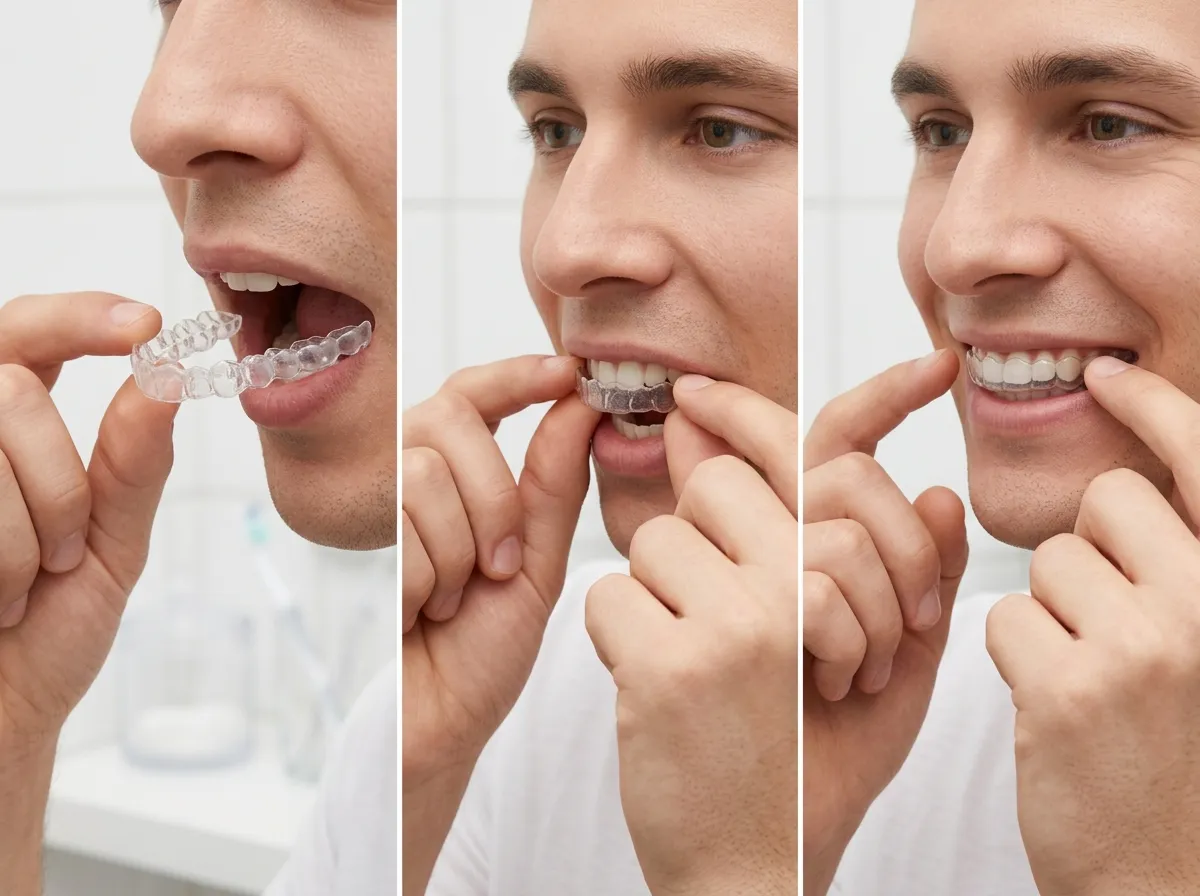
Wearing your retainer correctly makes a big difference in how well it works. Follow these steps to get the most out of your retainer routine:
- Insert gently: Place the retainer over your teeth using your fingers. Press it into place evenly — never bite it into position, as this can crack it.
- Check the fit: It should feel snug but not painful. If it hurts or doesn’t sit properly, contact your orthodontist right away.
- Remove carefully: Use your fingers to remove it from both sides evenly. Don’t yank it from one side only.
- Follow your wear schedule: Stick to the schedule your orthodontist gives you — full-time first, then nighttime-only as instructed.
- Store it safely: Always keep it in its case when not in your mouth. This prevents damage and loss.
If your retainer feels too tight after even a short break from wearing it, that’s a sign your teeth may have shifted slightly. Don’t force it — call your orthodontist. You can also schedule an appointment for a quick retainer check.
How to Clean Your Retainer After Braces
Keeping your retainer clean is just as important as wearing it. A dirty retainer can harbor bacteria, cause bad breath, and even lead to plaque buildup. Here’s how to keep it fresh:
- Rinse it every time you remove it — use cool or lukewarm water, never hot water, which can warp clear plastic retainers.
- Brush gently with a soft toothbrush and mild dish soap or retainer cleaner. Avoid regular toothpaste, which can be too abrasive.
- Soak it regularly using a retainer or denture cleaning tablet (follow product instructions).
- Keep it away from heat — never leave it in a hot car, boil it, or run it through the dishwasher.
- Clean the case too — wash your retainer case weekly to prevent bacteria from transferring back to your retainer.
For fixed retainers, flossing under the wire is essential. Use a floss threader or water flosser to clean around the bonded wire every day. Following good oral hygiene habits — including caring for your retainer — helps protect your overall dental health. You can also follow Torres Orthodontics on Instagram for helpful tips and smile care reminders.
Common Retainer Care Mistakes to Avoid
Even with the best intentions, patients sometimes make mistakes with retainer care. Here are the most common ones — and how to avoid them:
- Wrapping it in a napkin: This is the number one way retainers get thrown away accidentally. Always use the case!
- Skipping nights: Missing even a few nights can allow teeth to shift, especially in the first year after braces.
- Using hot water: Hot water warps clear retainers and ruins the custom fit.
- Letting pets near it: Dogs are notorious for chewing retainers. Keep yours out of reach!
- Waiting too long to report a broken retainer: A cracked or broken retainer won’t protect your smile. Contact your orthodontist promptly.
When to Replace or Repair Your Retainer
Retainers don’t last forever. With proper care, most removable retainers last 1 to 3 years before needing replacement. Fixed retainers can last much longer but may occasionally need repair. Here’s when to contact your orthodontist:
| Sign | What It Means | What to Do |
|---|---|---|
| Retainer feels tight or painful | Teeth may have shifted | Contact orthodontist right away |
| Cracks or chips in the retainer | Structural damage — it won’t work properly | Get a replacement as soon as possible |
| Retainer no longer fits snugly | May have warped or teeth have shifted | Schedule a retainer check |
| Persistent odor despite cleaning | Bacteria buildup — retainer may be worn out | Consider a new retainer |
| Fixed retainer wire feels loose | Bond may have broken | See orthodontist immediately |
Never try to bend or adjust your retainer yourself. This can cause permanent damage and make it unwearable. Always work with your orthodontist for any adjustments or repairs. If you’re an adult who’s been thinking about orthodontic options, you might also want to read about adult orthodontics services available at Torres Orthodontics.
Retainer Tips for Kids and Teens
For younger patients, retainers can feel like a big adjustment — especially after already wearing braces. But with a little encouragement and the right habits, it becomes second nature quickly. Here are some tips specifically for kids and teens:
- Set a phone reminder to put your retainer in every night before bed.
- Keep your retainer case in the same spot every day so you never lose track of it.
- Tell a parent or guardian if your retainer starts feeling different — don’t wait!
- Bring your retainer to every orthodontic check-up so your doctor can inspect it.
Parents, your support makes a huge difference. Gently reminding your child to wear their retainer — without nagging — helps build a lasting habit. Curious about what the early orthodontic journey looks like? Explore early orthodontic treatment and adolescent treatment options for your family.
Retainers After Braces: Frequently Asked Questions at a Glance
Patients at Torres Orthodontics — serving Tampa, Miami Lakes, and Boca Raton — often come in with similar retainer questions. Here’s a quick-reference table to address the most common ones:
| Question | Quick Answer |
|---|---|
| Do I have to wear a retainer forever? | Most orthodontists recommend nightly wear long-term to prevent relapse |
| What happens if I stop wearing it? | Teeth can start shifting back within weeks |
| Can a retainer fix shifted teeth? | Minor shifts may correct with retainer use; significant movement needs evaluation |
| How often should I replace my retainer? | Every 1 to 3 years for most removable retainers |
| Is a fixed retainer better than removable? | Each has advantages — your orthodontist will recommend the best option for you |
For personalized answers, the best step is always to talk with your orthodontist directly. You can also read our in-depth article on 7 things you must know about orthodontic retainers for even more helpful insights. And don’t forget — you can watch real patient experiences and retainer care tips on the Torres Orthodontics YouTube channel.
Taking the Next Step for Your Smile
Wearing your retainers after braces is the simplest thing you can do to protect one of the best investments you’ve ever made — your smile. Whether you’re just getting started with orthodontic treatment or you’re in the post-braces phase, we’re here to help every step of the way.
At Torres Orthodontics, our team is passionate about helping patients in Tampa, Miami Lakes, and Boca Raton achieve — and keep — beautiful, healthy smiles. Dr. Rodney Torres and our wonderful team take pride in making every visit warm, comfortable, and informative. We want your results to last a lifetime!
Want to check in about your retainer fit or explore your options? Visit us on Google — Torres Orthodontics Tampa to read patient reviews and get directions to our office. We love hearing from our community!
Ready to protect your smile for good? Book your retainer check or free smile consultation today and let us help you keep that beautiful smile exactly where it belongs.
FAQs
Q: How long do you have to wear retainers after braces?
A: Most orthodontists recommend full-time wear for the first 4 to 6 months after braces are removed, then transitioning to nighttime-only wear. For the best long-term results, many orthodontists suggest wearing your retainer every night indefinitely — because your smile is worth protecting!
Q: What happens if you stop wearing your retainer after braces?
A: If you stop wearing your retainer, your teeth can start shifting back toward their original positions — sometimes within just a few weeks! This is called orthodontic relapse, and it’s the main reason why consistent retainer wear is so important after braces.
Q: How do you clean a retainer after braces?
A: Rinse your retainer with cool or lukewarm water (never hot!) every time you remove it, and gently brush it with a soft toothbrush and mild soap. You can also soak it in a retainer cleaning solution regularly to keep it fresh and bacteria-free.
Q: Can a retainer fix teeth that moved after braces?
A: For very minor shifts, wearing your retainer consistently may help guide teeth back into alignment. However, significant movement will require an evaluation from your orthodontist, who may recommend additional treatment options.
Q: Is a fixed retainer better than a removable retainer?
A: Both types have great benefits! Fixed retainers work around the clock without any effort on your part, while removable retainers are easier to clean and maintain. Your orthodontist will recommend the best option — or even a combination of both — based on your unique smile needs.


