
Key Takeaways
-
Multiple Invisalign alternatives exist including other clear aligner systems, ceramic braces, metal braces, self-ligating braces, and lingual braces, each with different visibility levels and treatment capabilities for various case complexities.
-
Clear aligners work best for mild to moderate cases (6-18 months), while traditional and ceramic braces can handle severe crowding and complex bite issues that aligners cannot fully address, requiring professional evaluation to determine suitability.
-
Metal braces are the most affordable option at $2,500-$6,000, while lingual braces cost $5,000-$10,000; other clear aligners ($2,500-$6,000) and ceramic braces ($3,000-$7,000) offer mid-range pricing with similar effectiveness to Invisalign.
-
Clear aligners require 20-22 hours daily wear compliance, while fixed braces work continuously without patient effort; adults often prefer ceramic or lingual braces for discretion, while teens benefit from treatment flexibility based on personal preferences.
-
A board-certified orthodontist evaluation is critical to identify bite problems invisible to untrained eyes, recommend appropriate treatment for specific cases, and monitor progress; professional supervision ensures safe and effective results.
-
When choosing an alternative, schedule an in-person consultation, discuss priorities (aesthetics, budget, speed), verify insurance coverage before committing, and review before-and-after photos to set realistic expectations for treatment outcomes.
Not everyone is set on Invisalign — and that is perfectly okay! There are actually several great Invisalign alternatives that can give you a beautiful, healthy smile. Whether you are a parent looking for options for your child, a teen exploring your choices, or an adult who wants something discreet, knowing your options helps you make the best decision for your smile and your budget. The good news? Modern orthodontics has come a long way, and today’s alternatives are more comfortable, effective, and affordable than ever before.
In this guide, we will walk you through the most popular Invisalign alternatives available at orthodontic practices today. We will cover how they work, who they are best for, and what you can expect in terms of cost and treatment time. By the end, you will feel confident and informed — ready to take the next step toward the smile you deserve!

Why Consider an Invisalign Alternative?
Invisalign is a well-known brand of clear aligners, but it is not the only path to straighter teeth. Some patients find that other options better fit their lifestyle, budget, or treatment needs. Understanding why patients explore alternatives can help you figure out what matters most to you.
Here are some common reasons people look for an Invisalign alternative:
- Budget concerns — other treatments may cost less
- Complex bite or crowding issues that need more precise control
- A preference for fixed appliances so there is no risk of forgetting to wear aligners
- Wanting a more discreet option without full clear-aligner pricing
- Insurance or financing compatibility with specific treatment types
The best choice always depends on your unique smile. That is why a first visit with an orthodontist is so important — they can evaluate your teeth and recommend the best path forward for your specific case.

Top Invisalign Alternatives Offered by Orthodontists
Let’s take a look at the most popular alternatives your orthodontist may offer. Each one has its own strengths, so there is likely a great fit for you among these options.
1. Other Clear Aligner Systems
Invisalign is just one brand of clear aligner. Other aligner systems are available through licensed orthodontists and dentists, and they work in a very similar way. You wear a series of custom-made, removable trays that gradually shift your teeth into place.
These systems are generally best for mild to moderate crowding, spacing, and bite issues. Treatment time typically ranges from about 6 to 18 months depending on the complexity of your case. You can learn more about what to expect with common orthodontic treatments at Torres Orthodontics.
2. Ceramic Braces
Ceramic braces work just like traditional metal braces, but the brackets are made from tooth-colored or clear ceramic material. This makes them much less noticeable than metal braces. Many teens and adults love ceramic braces because they offer the reliability of fixed braces with a more subtle look.
They are a fantastic option for patients who want a discreet treatment but also need more precise tooth movement than aligners can provide. Check out more details on types of braces to see if ceramic braces could be right for you.
3. Traditional Metal Braces
Metal braces are the classic option — and they are still one of the most effective treatments available! They can handle a wide range of orthodontic issues, including severe crowding and significant bite correction that may be beyond the scope of aligner-only treatment.
Modern metal braces are sleeker and more comfortable than braces from years past. Many kids and teens actually enjoy picking colored bands to personalize their look. Learn everything you need to know about braces on the Torres Orthodontics website.
4. Self-Ligating Braces
Self-ligating braces use a special clip mechanism instead of elastic bands to hold the wire in place. This can mean fewer adjustments, less friction, and a more comfortable experience overall. They come in both metal and ceramic versions, giving you flexibility on the aesthetics front too.
5. Lingual Braces
Lingual braces are attached to the back side of your teeth, making them nearly invisible from the front. They are a great option for adults or teens who want effective fixed treatment without anyone knowing they are wearing braces. Keep in mind they can take a little longer to get used to and may not be ideal for all cases.
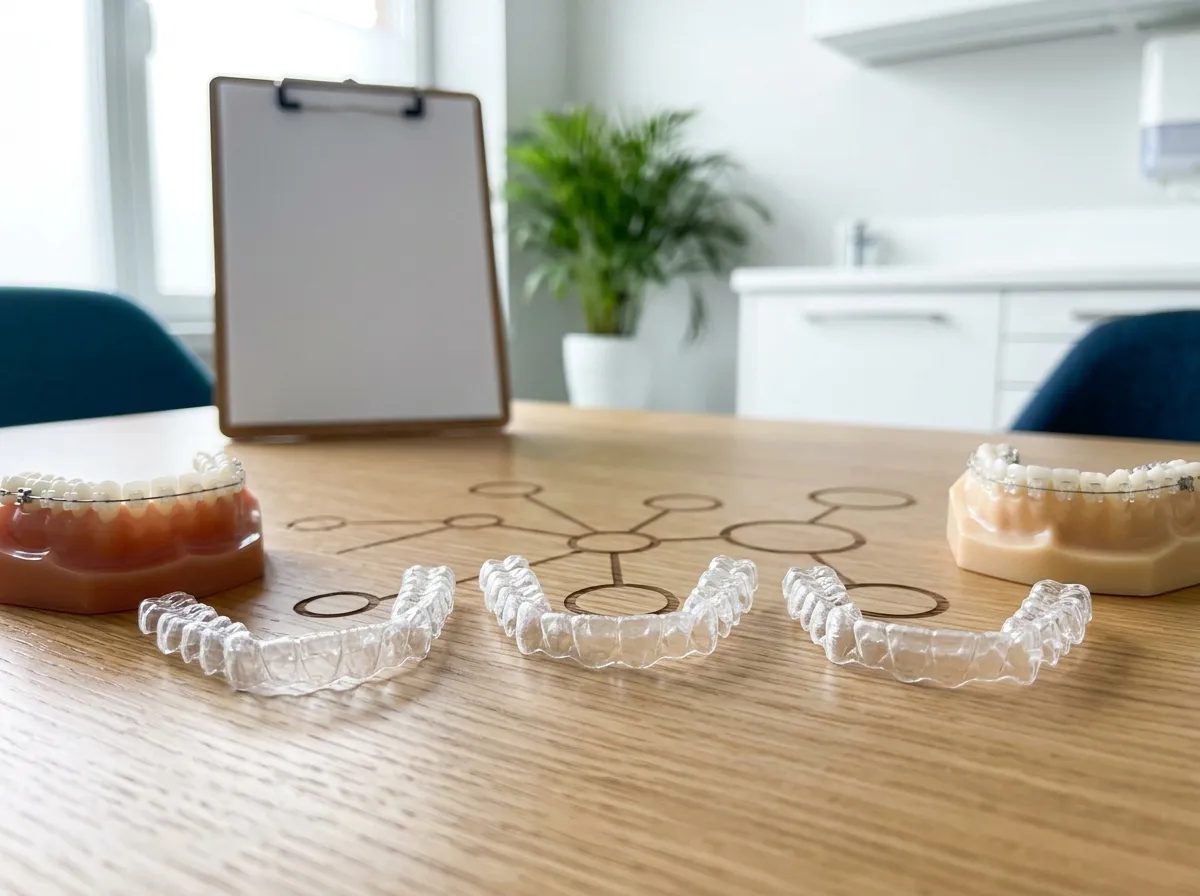
Invisalign Alternatives Comparison Table
Here is a quick side-by-side look at the most common Invisalign alternatives to help you compare your options at a glance:
| Treatment Option | Visibility | Best For | Removable? |
|---|---|---|---|
| Other Clear Aligners | Nearly invisible | Mild to moderate cases | Yes |
| Ceramic Braces | Low profile | Moderate to complex cases | No |
| Metal Braces | Visible | All case types, including severe | No |
| Self-Ligating Braces | Low to moderate | Patients wanting less maintenance | No |
| Lingual Braces | Hidden | Adults wanting full invisibility | No |
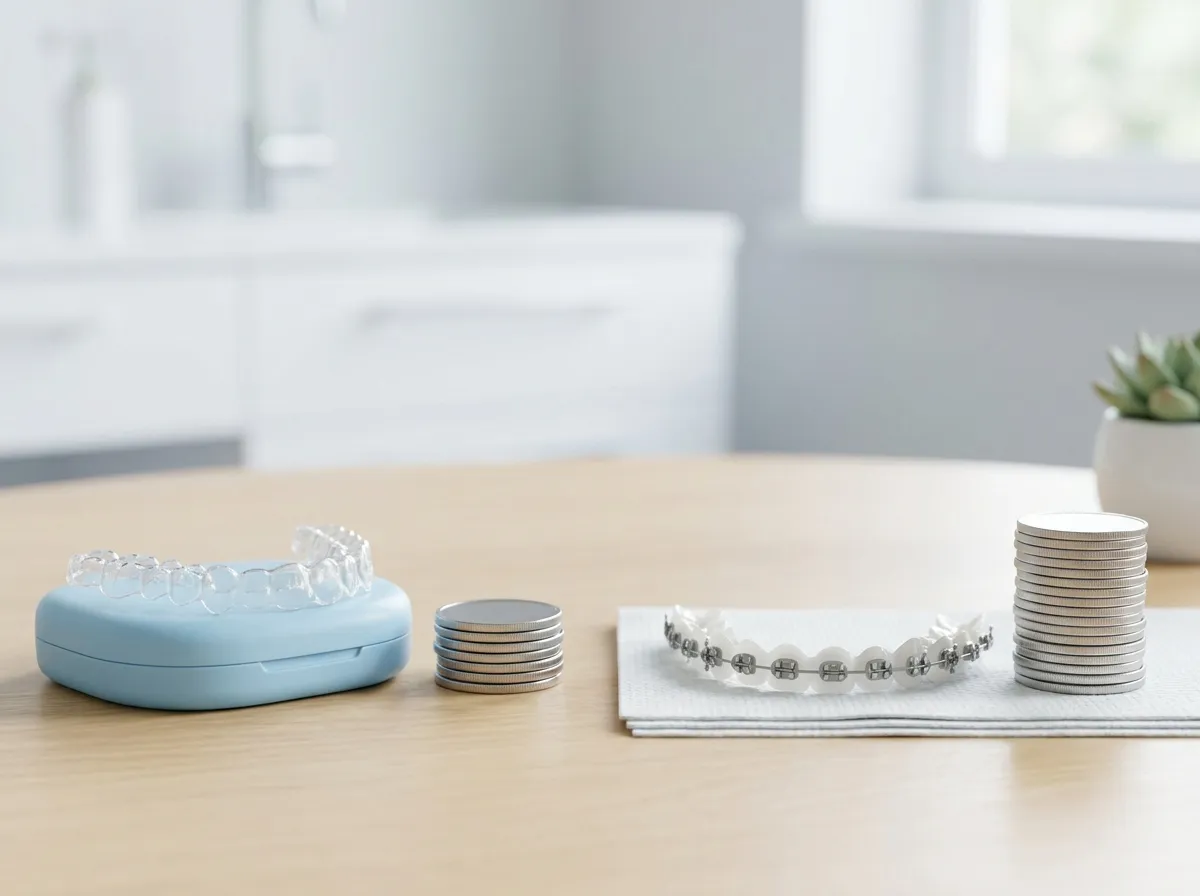
How Do Costs Compare?
Cost is one of the biggest factors families consider when choosing a treatment. Here is a general breakdown of what you might expect to pay. Keep in mind that costs vary by case complexity, location, and provider.
| Treatment | Estimated Cost Range (U.S.) | Treatment Duration |
|---|---|---|
| Invisalign | $3,000 – $8,000 | 12 – 18 months (average) |
| Other Clear Aligners | $2,500 – $6,000 | 6 – 18 months |
| Ceramic Braces | $3,000 – $7,000 | 12 – 24 months |
| Metal Braces | $2,500 – $6,000 | 12 – 24 months |
| Lingual Braces | $5,000 – $10,000 | 12 – 24 months |
At Torres Orthodontics, pricing generally ranges from $3,000 to $6,000. They accept most major PPO dental insurance plans and also offer flexible monthly payment plans to make treatment accessible for every family. You can find out more about insurance and financing options on their website. And you can get a full picture of braces pricing by reading How Much Do Braces Cost? A Complete Price Breakdown.
Who Is Each Alternative Best For?
Different patients have different needs. Here is a helpful breakdown to match each treatment option to the right patient:
For Young Children and Pre-Teens
Young children aged 6 to 10 often benefit most from early evaluation rather than full active treatment. If early treatment is needed, early orthodontic treatment options like expanders or partial braces are often more appropriate than aligners. Parents in Tampa and Miami Lakes can schedule a free smile exam to find out if early intervention is right for their child. You might also find helpful information in this guide: Expanders for Teeth: What Parents Need to Know.
For Teenagers
Teens are excellent candidates for braces, clear aligners, or ceramic braces. The best choice depends on case complexity and personal preference. Many teens love metal braces because they are effective, fun, and reliable. Others prefer aligners for a low-profile look. Check out adolescent treatment options and the 3 best braces for teens to learn more.
For Adults
Adults often prioritize discretion, comfort, and efficiency. Clear aligners and ceramic braces are very popular with adult patients. Lingual braces are also a great hidden option. Explore adult orthodontics at Torres Orthodontics to see what is possible for grown-up smiles. You can also read 11 Reasons Adults Are Choosing an Orthodontist in 2026 for extra inspiration.
Clear Aligners vs. Braces: Key Differences
One of the most common questions people ask is whether clear aligners (including Invisalign alternatives) are as effective as braces. Here is a simple breakdown of the key differences:
| Feature | Clear Aligners | Braces |
|---|---|---|
| Appearance | Nearly invisible | Visible (less so with ceramic) |
| Removable | Yes — for eating and brushing | No — fixed during treatment |
| Oral hygiene | Easier to brush and floss | Requires extra care around brackets |
| Complex cases | Limited in severe cases | Can handle all complexities |
| Patient compliance | Must wear 20-22 hours/day | Always working — no effort needed |
Clear aligners are generally best for mild to moderate issues. Braces can treat a wider range of problems, including severe crowding and significant bite correction. Your orthodontist will help you decide which is the best fit for your specific needs.
The Importance of Seeing an Orthodontist
Whichever Invisalign alternative you choose, it is critical to work with a board-certified orthodontist. Orthodontists have specialized training beyond dental school to diagnose bite problems, monitor tooth movement, and adjust treatment when needed. This level of professional supervision is especially important for complex cases.
A qualified orthodontist can also spot issues that are not visible to the untrained eye — things like jaw misalignment, crowding risks, or bite problems that need to be addressed early. To see what a professional team looks like, visit the Torres Orthodontics team page.
Want to see real results from real patients? Take a look at the before and after gallery to see what is possible with expert orthodontic care. You can also follow along with patient stories and tips on the Torres Orthodontics Instagram page for daily inspiration.
Steps to Choosing the Right Invisalign Alternative
Not sure where to start? Follow these simple steps to find the best treatment for your smile:
- Schedule a free consultation — Get a professional evaluation before making any decisions.
- Share your goals and concerns — Tell your orthodontist what matters most to you: looks, budget, convenience, or speed.
- Review your treatment options — Your orthodontist will present the best alternatives for your case.
- Compare costs and timelines — Look at the full picture, including insurance coverage and payment plans.
- Start your treatment — Once you choose, you are on your way to a healthier, more confident smile!
Quick Tips for Choosing the Right Treatment
Here are a few helpful reminders as you explore your Invisalign alternatives:
- Always get an in-person evaluation — photos and online quizzes are not enough for a proper diagnosis.
- Ask about treatment time upfront so you can plan ahead.
- Find out what your dental insurance covers before committing.
- Consider how each option fits your daily life and oral hygiene habits.
- Remember that retainers are needed after any orthodontic treatment — learn more about orthodontic retainers to be prepared.
- Look at before-and-after photos and patient reviews to set realistic expectations.
You can also follow Torres Orthodontics on YouTube for informative videos about treatment options, patient experiences, and helpful orthodontic tips.
Why Families in Tampa and Miami Lakes Love Torres Orthodontics
Torres Orthodontics has earned a reputation as one of the most trusted orthodontic practices in the Tampa and Miami Lakes areas. Led by Dr. Rodney Torres, the team brings warmth, expertise, and personalized care to every single patient. Whether you are exploring braces for your child or looking for a discreet adult option, they will help you find the perfect Invisalign alternative for your needs.
Using advanced technology including digital impressions and 3D treatment planning, the team delivers precise results with maximum comfort. The first visit is always warm and welcoming — exactly what patients and families deserve. You can visit Torres Orthodontics Tampa on Google to read patient reviews and see what families in the community are saying about their experience.
Conclusion
The world of orthodontics is full of fantastic options beyond Invisalign. From other clear aligner systems to ceramic braces, metal braces, and lingual braces, there is truly a solution for every smile, every budget, and every lifestyle. The key is to work with a qualified orthodontist who can guide you toward the right choice based on your unique needs.
Ready to explore your options and take the first step toward a healthier smile? Schedule your appointment at Torres Orthodontics today — your free consultation is waiting, and your best smile is closer than you think!
FAQs
Q: What is the best alternative to Invisalign?
A: The best alternative really depends on your specific smile needs! Clear aligner systems, ceramic braces, and metal braces are all excellent options depending on your case complexity, budget, and lifestyle. A free consultation with an orthodontist is the best way to find your perfect match.
Q: Are Invisalign alternatives cheaper than Invisalign?
A: Some alternatives, like traditional metal braces, can be more budget-friendly than Invisalign, with costs starting around $2,500 to $3,000 in many practices. Options like ceramic braces fall in a similar range to Invisalign. The good news is that many orthodontic practices offer flexible payment plans to make any option more affordable!
Q: Can adults use Invisalign alternatives?
A: Absolutely — adults are great candidates for almost every Invisalign alternative! Clear aligner systems, ceramic braces, and lingual braces are especially popular with adult patients who want effective treatment that fits their professional lifestyle. There is no age limit when it comes to achieving a healthier, more confident smile.
Q: Do I need to see an orthodontist for Invisalign alternatives?
A: Yes, and it is really important! A board-certified orthodontist can properly diagnose bite issues, recommend the right treatment, and monitor your progress throughout the process. Professional supervision helps ensure safe, effective results — especially for more complex cases.
Q: What dental problems can Invisalign alternatives fix?
A: Invisalign alternatives like braces and other clear aligners can treat a wide range of issues, including crowding, spacing, overbites, underbites, crossbites, and open bites. Traditional braces are especially effective for more complex cases that clear aligners alone may not fully address. Your orthodontist will help you understand exactly what your treatment can fix!


